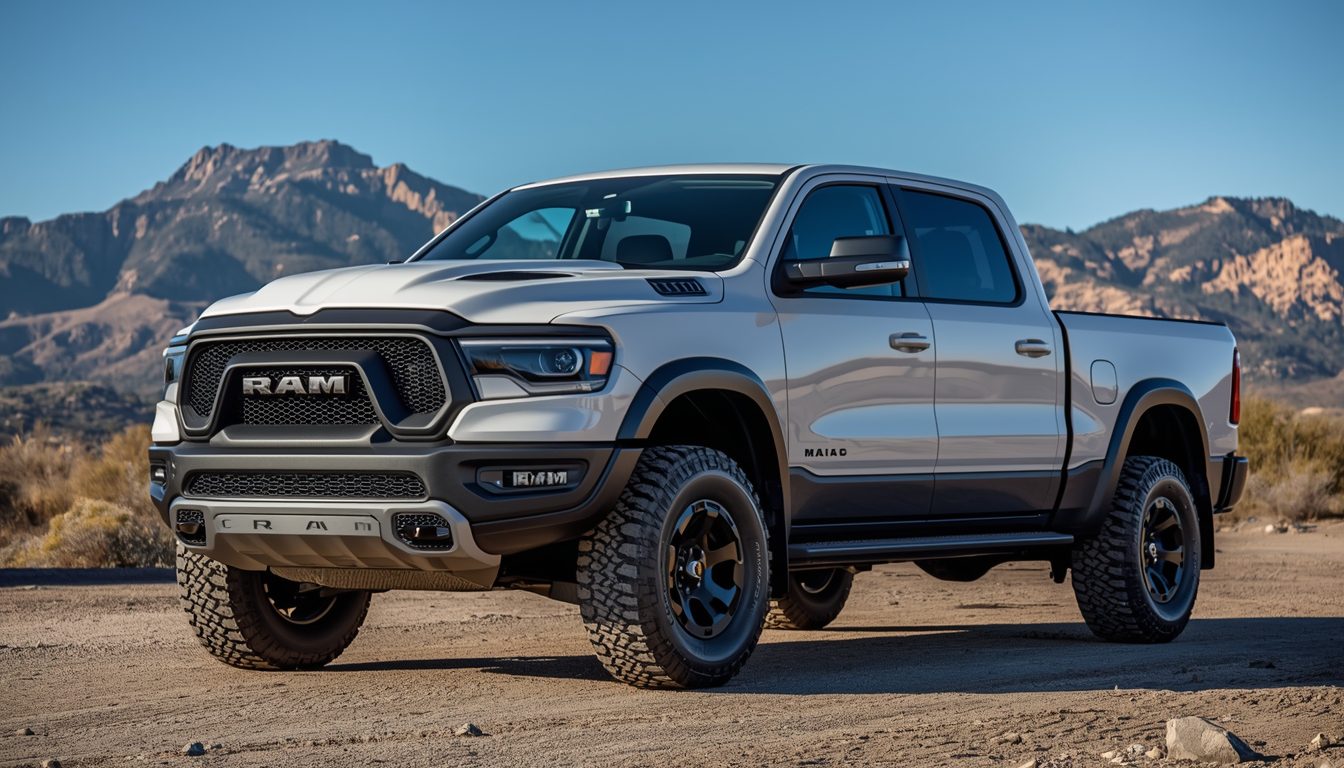
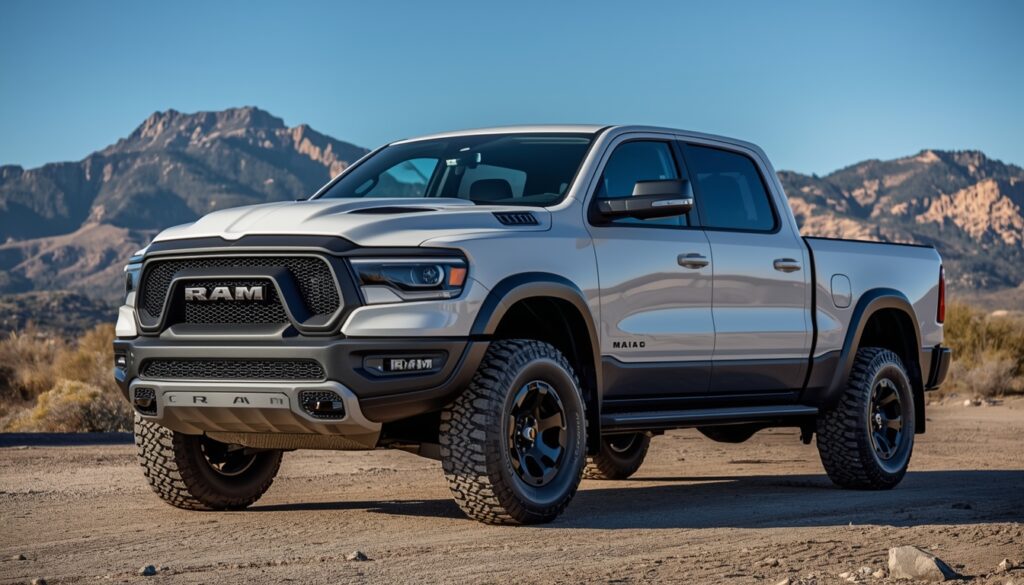
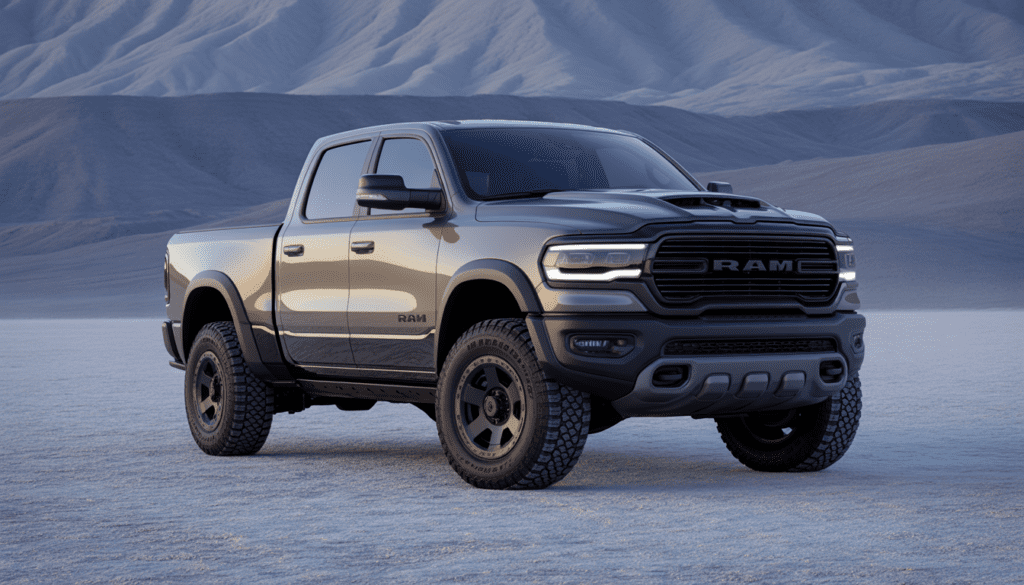
The 2026 Ram Power Wagon Lunar Edition is officially back, bringing its space-themed styling to Ram’s heavy-duty truck lineup once again. Designed for buyers who want aggressive off-road performance wrapped in a unique monochromatic appearance, the Lunar Edition blends rugged capability with cosmic-inspired aesthetics.
Originally introduced as a limited appearance package, the Lunar Edition quickly gained attention for its distinctive grey-and-black color scheme and premium interior touches. For 2026, it returns better than ever, appealing to truck enthusiasts and space fans alike.
2026 Ram 2500 Rebel Also Gets the Lunar Edition Treatment
Alongside the Power Wagon, the Ram 2500 Rebel also receives the Lunar Edition package for the new model year. Both heavy-duty trucks feature the same signature two-tone exterior finish, with Ceramic Grey Clearcoat as the dominant body color and Diamond Black Crystal Pearlcoat along the lower section.
To create a seamless look, the grille surround is color-matched to the body. Gloss-black wheels and Lunar-themed graphics complete the exterior styling, delivering a sleek and modern appearance that stands out from standard HD models.
Premium Interior with High-End Details
Inside, the Lunar Edition models elevate the cabin experience with luxury-grade leather upholstery. Copperhead Orange contrast stitching is used across the dashboard, doors, seats, steering wheel, and gear shifter, adding a subtle pop of color against the predominantly dark interior.
The center console features a unique machined-face badge that identifies whether the truck is a Power Wagon or Rebel. Practicality remains a priority as well, with a lockable safe built into the center console for secure storage of valuables.
Required Equipment and Package Details
The Lunar Edition package is priced at $1,995 and is only available when paired with specific configurations. The Power Wagon version must come equipped with its V-8 engine, while the Rebel Lunar Edition is offered exclusively with the diesel engine option.
Additionally, both trucks require the $6,545 Level 2 Equipment Group. This package includes a 14.5-inch center touchscreen, a 10.3-inch front-passenger display, and a Harman Kardon premium audio system. On the Power Wagon, the package also adds a Warn winch and rock rails, reinforcing its off-road capability.
2026 Ram Power Wagon Lunar Edition Pricing and Availability
With all required packages included, the 2026 Ram 2500 Power Wagon Lunar Edition starts at $86,385. The 2026 Ram 2500 Rebel Lunar Edition carries a starting price of $93,885.
Ram has confirmed that ordering will open later this month, giving buyers the opportunity to secure one of the most visually distinctive heavy-duty trucks available for the 2026 model year.
The world’s most expensive cars are not just vehicles. They are limited-production engineering masterpieces built for collectors, royalty, and ultra-high-net-worth individuals. In 2026, the hypercar and coachbuilt segment continues to push design, performance, and exclusivity to extraordinary levels. These vehicles combine advanced aerodynamics, rare materials, handcrafted interiors, and powerful engines that redefine automotive luxury. Below is the updated list of the top 10 most expensive cars in the world.
Currently the most expensive new car ever sold, this ultra-rare masterpiece was created under Rolls-Royce’s exclusive Coachbuild program. Only four units exist worldwide. Inspired by the Black Baccara rose, it features over 1,600 hand-laid wood veneer pieces forming an abstract rose motif. It is powered by a 6.75-liter twin-turbo V12 engine and includes a detachable Audemars Piguet timepiece integrated into the dashboard. Nearly four years of craftsmanship went into building this personalized luxury icon.
2. Rolls-Royce Boat Tail – $28 Million
Limited to just three examples, the Boat Tail reflects 1920s luxury yacht styling. The rear deck opens to reveal a custom hosting suite with a champagne fridge, parasol, and dining set tailored to each owner. Powered by a 6.75-liter twin-turbo V12, it blends coachbuilt artistry with engineering precision. Its materials include mother-of-pearl accents, brushed metals, and handcrafted wood detailing, making it one of the most exclusive luxury cars ever produced.
3. Bugatti La Voiture Noire – $18.7 Million
A one-off tribute to the legendary Type 57 SC Atlantic, this hypercar features a fully handcrafted carbon-fiber body with a dramatic black finish. It is powered by Bugatti’s quad-turbocharged W16 engine producing 1,500 horsepower. With a 0–60 mph time of approximately 2.5 seconds and a top speed exceeding 260 mph, it combines historical inspiration with modern hypercar dominance.
4. Pagani Zonda HP Barchetta – $17 Million
Only three units of this open-top Italian hypercar were built, making it one of the rarest Pagani models ever produced. It features a 7.3-liter naturally aspirated V12 engine sourced from AMG, delivering exceptional performance and an unforgettable exhaust note. The partially covered rear wheels and carbon-titanium chassis enhance both aerodynamics and exclusivity.
5. SP Automotive Chaos – $14.4 Million
Designed as an “ultracar,” the SP Automotive Chaos pushes performance beyond traditional hypercars. In its most extreme configuration, it produces over 3,000 horsepower from a twin-turbocharged V10 engine. Built using aerospace-grade materials and 3D-printed components, it represents the future of extreme automotive engineering.
6. Bugatti Centodieci – $9 Million
Created to celebrate Bugatti’s 110th anniversary, the Centodieci pays homage to the iconic EB110. Only ten units were produced. Powered by an 8.0-liter quad-turbo W16 engine generating 1,600 horsepower, it accelerates from 0–60 mph in approximately 2.4 seconds while maintaining distinctive retro-inspired styling cues.
7. Mercedes-Maybach Exelero – $8 Million
This one-off luxury performance coupe combines limousine-level comfort with supercar power. Built on a Maybach platform and powered by a twin-turbo V12 engine producing around 690 horsepower, the Exelero was originally commissioned for high-speed tire testing but quickly became a symbol of ultra-exclusive automotive design.
8. Pagani Huayra Codalunga – $7.4 Million
Limited to just five units, the Huayra Codalunga features a long-tail aerodynamic design inspired by 1960s race cars. Its 6.0-liter twin-turbo V12 engine delivers approximately 840 horsepower. The extended rear improves airflow while maintaining Pagani’s signature handcrafted interior artistry.
9. Bugatti Divo – $5.8 Million
Built with a focus on track performance rather than top speed, the Divo features enhanced aerodynamics and reduced weight compared to the Chiron. Powered by the same quad-turbo W16 engine producing 1,500 horsepower, only 40 units were produced worldwide, making it a highly desirable collector’s hypercar.
10. Koenigsegg CCXR Trevita – $4.8 Million
The CCXR Trevita stands out due to its unique diamond-weave carbon fiber finish. Only two units were ever built. Powered by a 4.8-liter twin-supercharged V8 engine producing over 1,000 horsepower, it offers extreme acceleration while maintaining Scandinavian engineering precision.
Final Thoughts
The most expensive cars in the world represent the peak of automotive design, exclusivity, and performance. These vehicles are not created for mass production but for collectors who value rarity, personalization, and technological excellence. As 2026 progresses, the competition among luxury manufacturers continues to push boundaries, ensuring that future hypercars become even more exclusive and more extraordinary.
FAQ
What are the 10 most expensive cars in the world?
The 10 most expensive cars in the world combine luxury, performance, and rarity. Top models include Rolls-Royce La Rose Noire Droptail, Rolls-Royce Boat Tail, Bugatti La Voiture Noire, Pagani Zonda HP Barchetta, Rolls-Royce Sweptail, Bugatti Centodieci, Mercedes-Maybach Exelero, Pagani Huayra Codalunga, Huayra Imola Roadster, and Bugatti Divo. These vehicles are priced from $5.8 million to over $30 million due to their exclusivity, craftsmanship, and advanced technology.
Who is the world’s most expensive car?
Currently, the Rolls-Royce La Rose Noire Droptail holds the title of the world’s most expensive car, valued at over $30 million. Its limited edition design, hand-crafted interiors, and unique features make it the ultimate symbol of automotive luxury.
Who owns 7,000 Rolls-Royce cars?
No single individual owns 7,000 Rolls-Royce cars. Such figures typically refer to global fleet production or high-net-worth collectors who own multiple units. Rolls-Royce customers include wealthy businesspeople, celebrities, and royal families worldwide.
Is there a 100 crore car?
Yes, several luxury hypercars exceed the 100 crore PKR mark (approximately $5–6 million). Cars like the Rolls-Royce La Rose Noire Droptail, Rolls-Royce Boat Tail, and Bugatti La Voiture Noire are priced above 100 crore, making them some of the most exclusive and valuable vehicles in the world.
Buying a car is one of the biggest financial decisions most people make. If you understand how to negotiate car price properly, you can save thousands without feeling pressured or overwhelmed.
Dealerships expect negotiation. The sticker price is rarely the final number. With the right preparation and strategy, you can take control of the deal and protect your money.
Why Negotiation Is Always Possible
Used car dealerships typically build profit margins into the asking price. That means there is often room to reduce the price or secure added benefits.
Dealers earn from multiple areas including vehicle markup, financing interest, extended warranties, documentation fees, and add-ons. Knowing this gives you leverage before you even start talking numbers.
Research the Real Market Value First
Before stepping into any dealership, research the fair market value of the vehicle.
Compare:
Similar models in your city
Mileage differences
Vehicle condition
Recent selling prices
Online classified platforms
When you know the true market price, you negotiate with confidence instead of emotion.
Inspect the Car Like a Professional Buyer
Never begin price negotiation before inspecting the vehicle carefully.
Look for paint inconsistencies, uneven tire wear, brake condition, fluid leaks, and dashboard warning lights. Take a proper test drive and listen for unusual sounds during acceleration and braking.
Every small issue can justify a lower offer. When you point out real concerns, the negotiation becomes logical rather than personal.
Negotiate the Total Price , Not Monthly Payments
Salespeople often shift focus to monthly installments. This can hide the real cost of the car.
Always negotiate the full purchase price first. Once the total is agreed upon, then discuss financing options.
This protects you from longer loan terms that increase total cost.
Use Silence as a Negotiation Tool
When the dealer gives you a price, pause before responding.
Silence creates pressure. Often, sales representatives will improve their offer just to keep the conversation moving.
Staying calm and patient gives you an advantage.
Start Lower Than Your Target
If your research shows a fair price of $18,500 and the car is listed at $20,000, begin around $17,500.
This gives you room to negotiate upward while staying below your ideal number. Never reveal your maximum budget early.
Always Ask for the Out-the-Door Price
The final cost should include everything:
Taxes
Registration
Documentation fees
Dealer charges
Many buyers forget this step and get surprised later. Always confirm the complete out-the-door amount before agreeing.
Leverage Competing Offers
Visit multiple dealerships or collect online price quotes.
Let the dealer know you are comparing options. Competition motivates dealerships to reduce prices quickly.
Even mentioning another similar vehicle priced lower can strengthen your position.
Timing Can Save You More Money
The best times to negotiate include:
End of the month
End of the quarter
Year-end clearance periods
Weekdays when showrooms are quiet
Sales teams often have targets, making them more flexible during these times.
Ask for Extras If Price Is Firm
If the dealer refuses to lower the price, negotiate for value instead.
You can request:
Free maintenance service
Extended warranty
Free detailing
Reduced interest rate
Free accessories
Sometimes these benefits save more than a small discount.
Be Ready to Walk Away
One of the strongest negotiation tactics is being willing to leave.
If the deal does not match your research or budget, politely walk away. Many dealerships contact buyers later with improved offers.
Walking away shows confidence and control.
Should You Pay Cash or Finance?
Cash can simplify negotiation, but dealerships often prefer financing because they earn interest.
A smart strategy is getting pre-approved financing from your bank before visiting. This strengthens your position and prevents high-interest dealership offers.
Common Mistakes to Avoid
Avoid these negotiation errors:
Negotiating without research
Revealing your maximum budget
Focusing only on monthly payments
Ignoring hidden fees
Accepting the first counteroffer
Skipping inspection
Avoiding these mistakes protects you from overpaying.
How Much Can You Really Save?
On average, buyers save:
3% to 8% on new vehicles
5% to 15% on used vehicles
On a $25,000 used car, that could mean saving $1,500 to $3,000 or more.
Online vs In-Person Negotiation
Negotiating through email can reduce pressure and give you written confirmation of offers.
However, final deals often close more effectively in person once the price has been discussed.
Final Verdict on How to Negotiate Car Price
Learning how to negotiate car price is not about being aggressive. It is about being informed, calm, and strategic.
Research the market, inspect carefully, negotiate total cost, use timing wisely, and never fear walking away.
When done correctly, you won’t just buy a car — you’ll secure a smarter financial decision that protects your long-term budget.
FAQ
What is the best way to negotiate car prices?
The best way to negotiate car prices is to prepare before visiting the dealership. Research the fair market value, compare listings in your area, and know the average selling price for the exact model and mileage. Always negotiate the total purchase price instead of monthly payments. Stay calm, make a reasonable counteroffer, and be willing to walk away if the deal does not meet your budget. Preparation and patience are your strongest advantages.
What is the 70/30 rule in negotiation?
The 70/30 rule in negotiation suggests that you should listen 70 percent of the time and speak 30 percent of the time. By listening more, you gather useful information about the seller’s flexibility, urgency, and motivations. In car negotiations, asking open-ended questions and allowing the dealer to explain their position can reveal hidden room for price adjustments. Strategic listening often leads to better offers.
How do you politely ask for a lower price?
You can politely ask for a lower price by using respectful and confident language. For example: “I’ve researched similar vehicles in the area, and they’re priced slightly lower. Is there flexibility on this price?” This approach shows you are informed without being aggressive. Keep your tone calm and professional. Dealers are more willing to negotiate when conversations remain respectful.
How do you respectfully negotiate price?
Respectful negotiation focuses on facts rather than emotions. Mention market comparisons, vehicle condition, and your budget limitations without criticizing the seller. Maintain positive body language, avoid confrontation, and express appreciation for their time. If the offer does not meet your expectations, thank them and be prepared to leave politely. Respect builds cooperation, and cooperation often leads to better pricing.
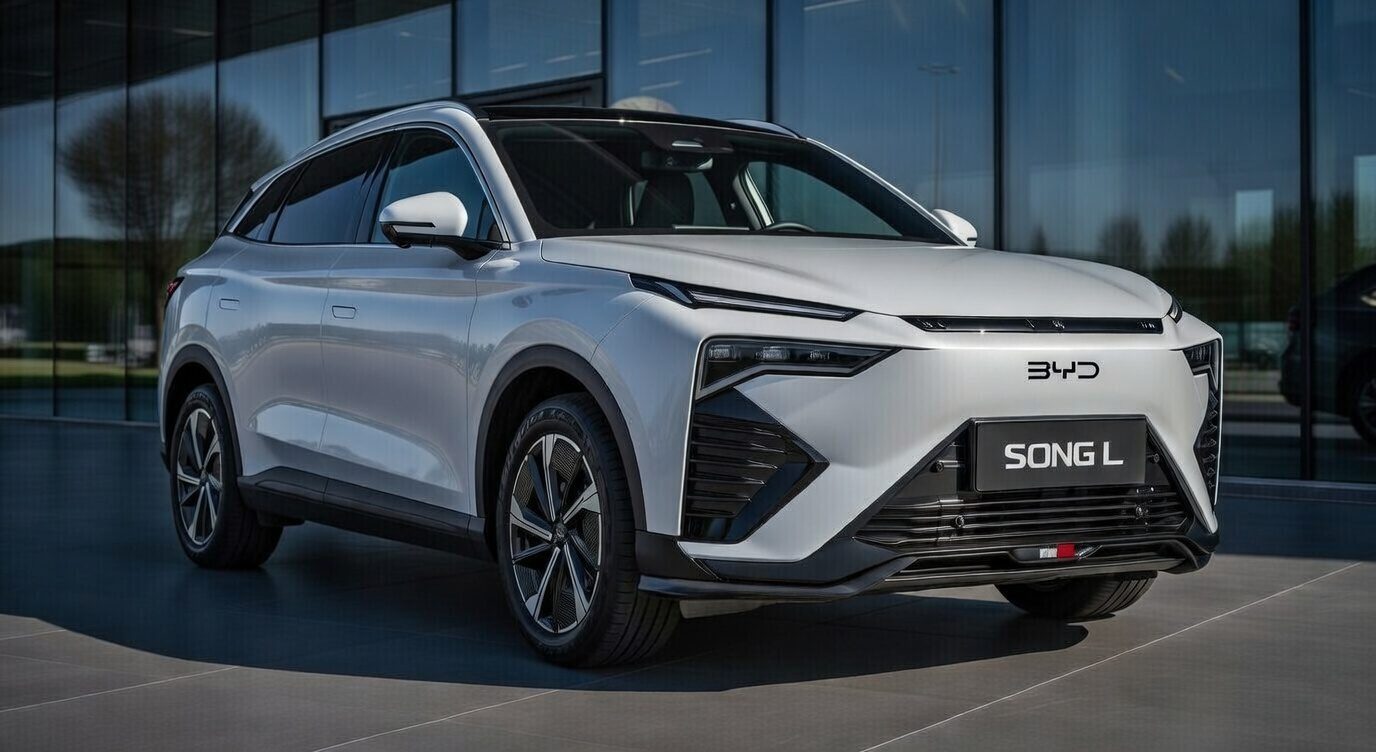
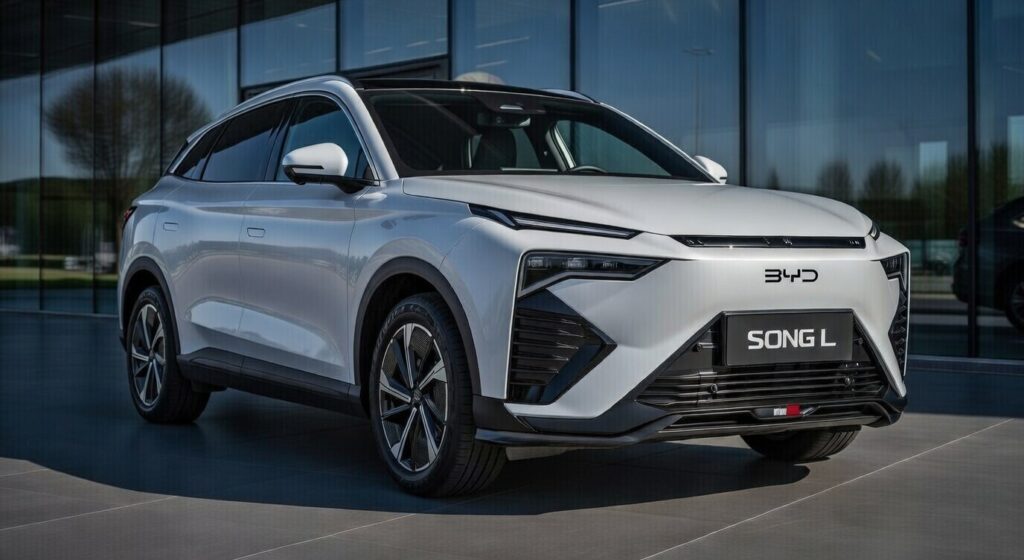
BYD 2026 represents the brand’s next strategic phase in electric vehicle innovation, global expansion, and advanced battery development. As one of the world’s fastest-growing EV manufacturers, BYD is positioning its 2026 lineup to compete directly with Tesla, Hyundai, and other global automakers in performance, safety, and affordability.
For buyers, it signals more range, smarter technology, and competitive pricing. For EV enthusiasts, it highlights battery breakthroughs and platform upgrades. For investors, it reflects continued global dominance and market share growth.
BYD 2026 Models and Lineup
The BYD 2026 lineup is expected to include electric SUVs, performance sedans, and plug-in hybrid variants. The brand continues expanding across entry-level, mid-range, and premium segments.
Upcoming models are likely to focus on:
Long-range electric SUVs
Executive electric sedans
Performance-focused EV trims
Updated plug-in hybrid systems
BYD’s multi-segment strategy allows it to compete in both affordable EV categories and premium electric markets.
BYD 2026 Release Date and Availability
Most BYD 2026 models are expected to launch globally throughout 2025–2026, depending on region and production capacity.
Expansion into Europe and select Western markets continues to accelerate, while Asia remains a strong base. North American expansion strategies remain closely watched, especially as regulations and trade policies evolve.
Availability will depend on local homologation approvals, safety certifications, and production scale-up.
BYD 2026 Price Expectations
Pricing is expected to remain one of BYD’s strongest advantages. The brand typically undercuts competitors while offering competitive battery range and technology.
Estimated price positioning:
Entry-level EVs: Affordable mass-market segment
Mid-range SUVs: Competitive with Hyundai and Kia
Premium sedans: Positioned below Tesla equivalents
Government incentives, EV rebates, and tax credits could further reduce ownership costs depending on country and region.
Battery Technology and Driving Range
A core highlight of BYD 2026 is its Blade Battery technology. This lithium iron phosphate (LFP) battery design prioritizes safety, durability, and thermal stability.
Advantages include:
Enhanced structural rigidity
Reduced risk of thermal runaway
Long lifecycle durability
Competitive energy density
Driving range expectations vary by model, but many vehicles are projected to offer 400–600 km (250–370 miles) on a single charge, depending on configuration and driving conditions.
Fast charging capability is expected to improve, with competitive DC charging times aimed at reducing downtime during long trips.
Performance and Driving Experience
BYD’s newer EV platforms focus on better weight distribution and improved chassis rigidity. This enhances acceleration, ride comfort, and handling.
Acceleration figures are expected to compete strongly in their segments, especially in performance trims. Regenerative braking systems also help improve efficiency and real-world range.
Owners typically highlight smooth power delivery, quiet cabin experience, and low operating noise as key advantages of modern BYD EVs.
Safety, ADAS, and Autonomous Features
BYD 2026 models are expected to feature advanced driver assistance systems (ADAS), including:
Adaptive cruise control
Lane-keeping assist
Automatic emergency braking
Blind-spot monitoring
Global crash test performance and compliance with regional safety standards will remain critical for market expansion.
Battery safety remains a key differentiator due to the structural integrity of the Blade Battery system.
Interior Technology and Software Ecosystem
The 2026 lineup is likely to include upgraded infotainment systems, large touchscreen displays, and over-the-air (OTA) software updates.
Smart cockpit interfaces are expected to integrate voice control, smartphone connectivity, and digital instrument clusters.
OTA updates will allow feature enhancements, performance optimizations, and software security improvements without dealership visits.
BYD 2026 vs Tesla and Competitors
The most common comparison remains BYD vs Tesla.
Key competitive areas include:
Battery range
Charging speed
Price-to-performance ratio
Safety technology
Software ecosystem
BYD often competes aggressively on pricing, while Tesla maintains advantages in global charging infrastructure and brand recognition. Hyundai and other EV makers also remain strong contenders in mid-range segments.
Sustainability and Ethical Manufacturing
BYD continues expanding its focus on sustainable manufacturing and carbon reduction. Battery lifecycle management, recycling initiatives, and localized supply chains help reduce environmental impact.
Lithium iron phosphate chemistry also avoids cobalt use, supporting ethical sourcing goals.
Warranty, After-Sales Service, and Ownership Cost
BYD typically offers competitive warranty coverage for battery systems and vehicle components. Long battery warranties provide peace of mind for buyers concerned about long-term durability.
Maintenance costs are generally lower than traditional combustion vehicles due to fewer moving parts and simplified drivetrain systems.
Total cost of ownership includes:
Lower fuel costs
Reduced maintenance
Incentives and rebates
Potential resale value stability
Investor Perspective and Market Growth
BYD has demonstrated strong global sales growth and increasing EV market share. Expansion into new markets supports long-term revenue diversification.
Battery production scale and vertical integration provide cost advantages and supply chain resilience.
For investors, 2026 represents continued technological evolution and strategic expansion.
Should You Wait for BYD 2026?
If you are considering an EV purchase, waiting for BYD 2026 models could offer:
Improved battery range
Updated safety systems
Enhanced software features
Competitive pricing
However, availability timelines and local incentives may influence the best buying decision.
Final Verdict
BYD 2026 signals the brand’s continued push into global EV leadership. With strong battery technology, competitive pricing, expanding safety systems, and growing international presence, it stands as a serious competitor to Tesla and other major EV manufacturers.
For buyers seeking affordability, range, and modern technology, BYD 2026 models are positioned to deliver strong value in the rapidly evolving electric vehicle market.
FAQ
Which car is launching in 2026 in Pakistan?
Several global EV models, including new BYD 2026 lineup vehicles, are expected to launch in Pakistan as imports or via CKD assembly, depending on local dealership partnerships and homologation progress.
Is BYD coming to Pakistan?
Yes — BYD has shown interest in entering the Pakistani market through authorized distributors. While exact launch dates depend on approvals and infrastructure, interest from local importers suggests BYD EVs will arrive soon.
What is the weakness of BYD?
Commonly cited challenges include limited fast-charging infrastructure in some regions, brand awareness lagging behind Tesla, and perceived software ecosystem maturity. However, range, pricing, and durability often offset these concerns.
Who owns BYD in Pakistan?
BYD vehicles in Pakistan are typically brought in by authorized distributors or local importers. There is no direct local BYD-owned assembly plant yet; imports are managed through partner dealerships until formal local operations begin.
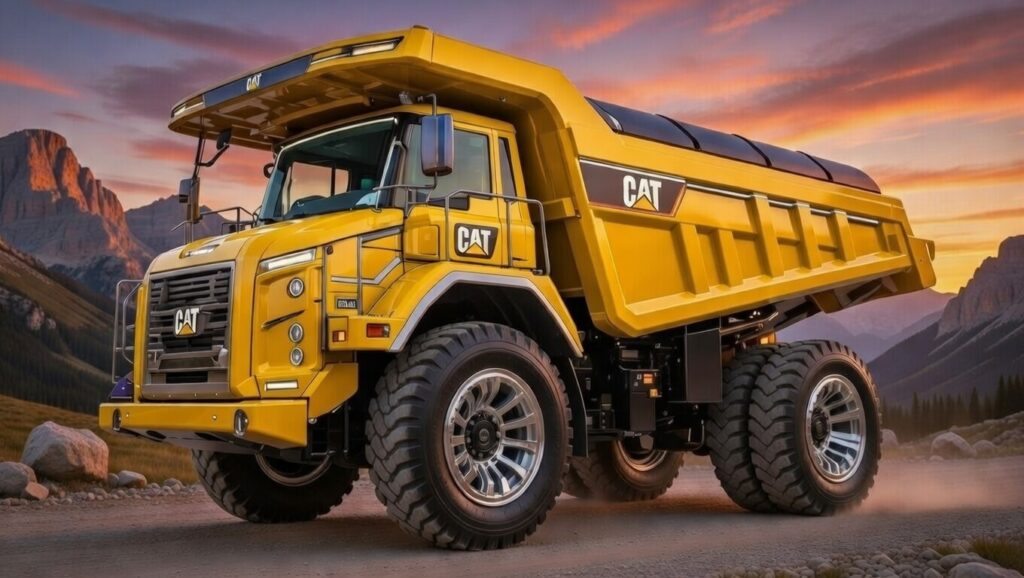
Caterpillar 785D 2026: The Giant Haul Truck Built for Extreme Mining
The Caterpillar 785D 2026 is one of the most powerful off-highway mining trucks designed for large-scale operations. Built for durability, heavy payloads, and extreme conditions, this machine continues to dominate open-pit mining projects around the world.
With improved efficiency and reinforced structural strength, the Caterpillar 785D 2026 is engineered to move massive loads with maximum uptime.
Engine Power and Performance
At the heart of the Caterpillar 785D 2026 is a high-performance Cat diesel engine built for extreme hauling environments. It delivers massive horsepower designed to carry heavy loads across rough terrain without compromising reliability.
Advanced fuel management systems help optimize consumption, making the Caterpillar 785D 2026 more cost-efficient for long mining shifts.
Payload Capacity and Hauling Strength
The Caterpillar 785D 2026 is built to carry enormous payloads in demanding mining environments. Its high-capacity dump body allows operators to transport large volumes of material efficiently.
This heavy-duty design reduces cycle time and increases productivity in large-scale mining operations.
Transmission and Control System
The Caterpillar 785D 2026 features an advanced powertrain system that ensures smooth gear transitions and better traction control.
Its automatic transmission and integrated braking system enhance downhill control and operational safety.
Durability in Extreme Conditions
Mining environments are harsh, but the Caterpillar 785D 2026 is built with reinforced steel frames and impact-resistant components.
From high temperatures to dusty terrains, this haul truck is engineered for long-term endurance and minimal downtime.
Fuel Efficiency and Operating Costs
Despite its massive size, the Caterpillar 785D 2026 focuses on fuel optimization. Smart engine calibration and efficient torque delivery reduce fuel waste during heavy hauling cycles.
Lower fuel consumption translates into long-term savings for mining operators.
Operator Comfort and Safety
The cabin of the Caterpillar 785D 2026 is designed for long shifts. It includes ergonomic seating, advanced monitoring displays, and enhanced visibility.
Modern safety systems improve control and reduce fatigue for operators working in demanding conditions.
Technology and Monitoring Systems
The Caterpillar 785D 2026 integrates smart monitoring systems that track performance, fuel usage, and maintenance needs.
Predictive diagnostics help prevent unexpected breakdowns and extend service intervals.
Why the Caterpillar 785D 2026 Dominates Mining Operations
The Caterpillar 785D 2026 combines payload strength, fuel efficiency, and structural durability. These factors make it a preferred choice for mining companies seeking high productivity and lower downtime.
Its balance of power and reliability ensures consistent performance across tough job sites.
Final Verdict
The Caterpillar 785D 2026 stands as a benchmark in heavy-duty mining trucks. With massive hauling capacity, advanced engineering, and operator-focused design, it remains a dominant force in global mining operations.
For companies that require strength, efficiency, and long-term reliability, the Caterpillar 785D 2026 delivers exceptional value and performance.
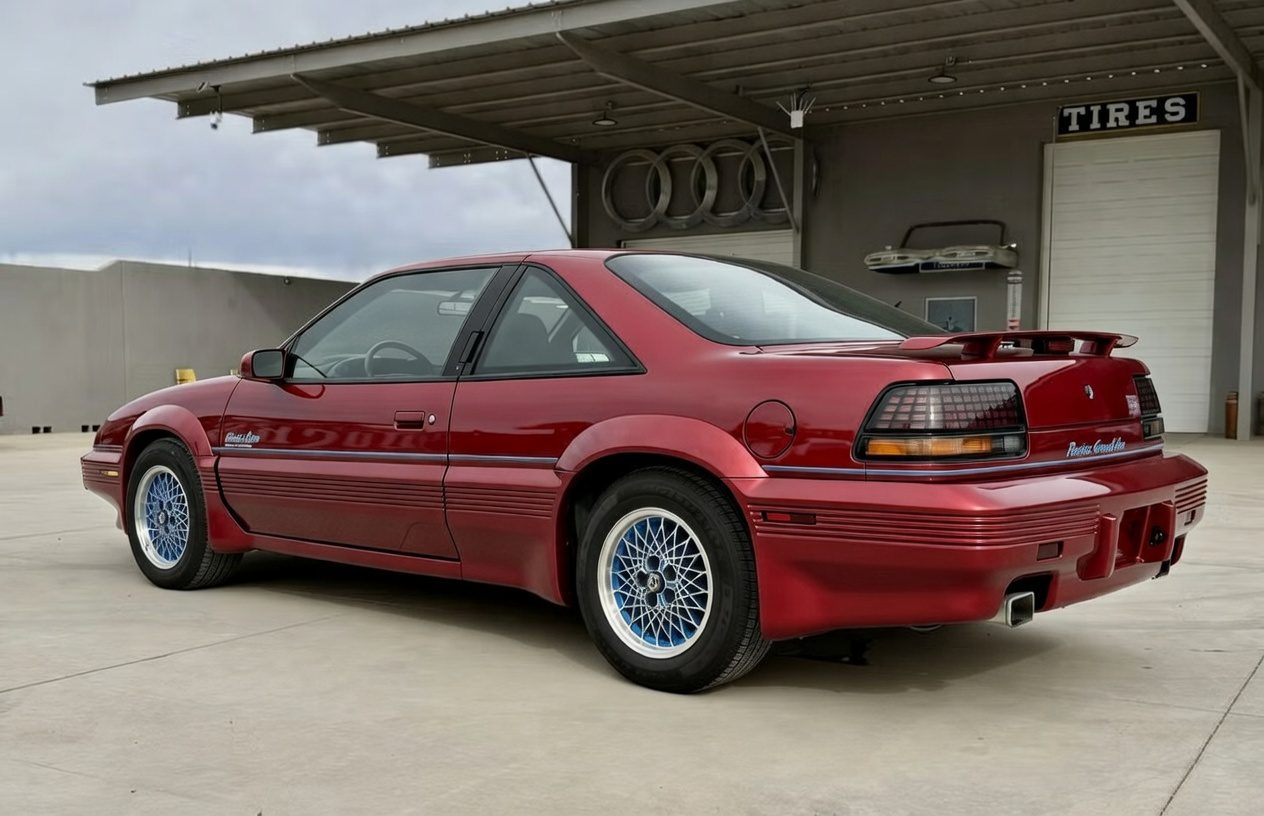
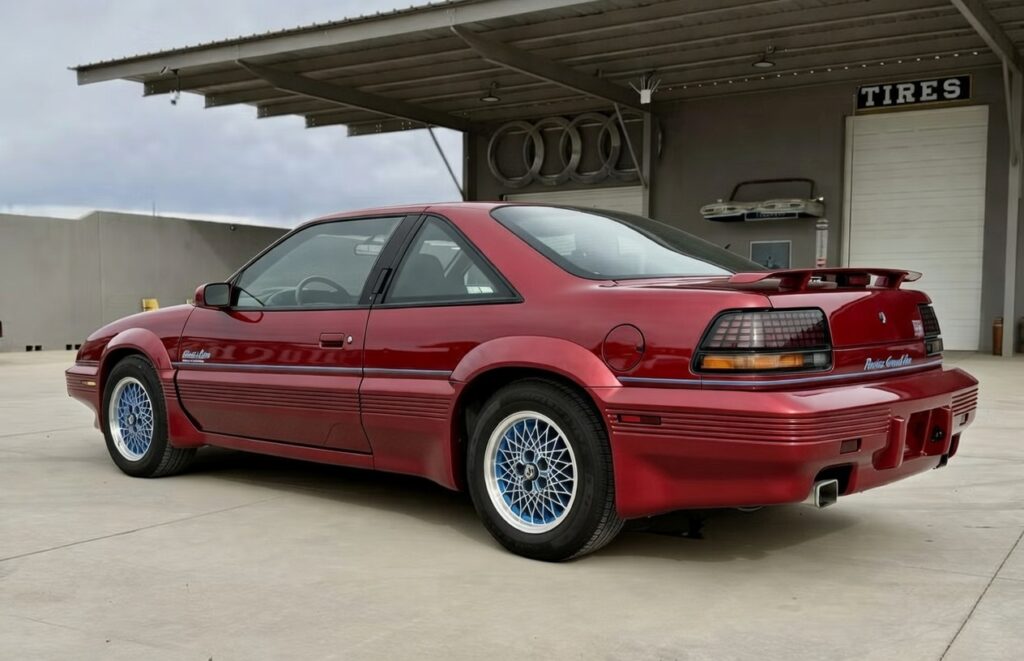
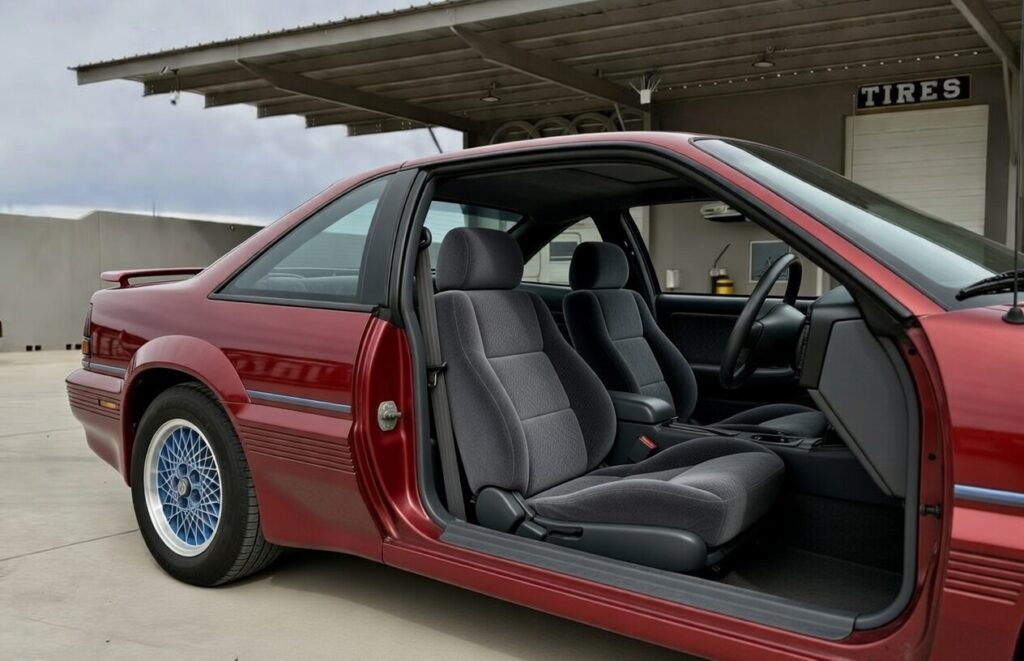
The Pontiac Grand Prix GXP for sale market is hotter than ever for enthusiasts who want a supercharged American muscle sedan without the modern price tag. Whether you’re a first-time buyer or a seasoned collector, this guide covers everything — Grand Prix GXP listings, pricing, reliability, and smart buying tactics. Read on before you spend a single dollar.
Why Buy a Pontiac Grand Prix GXP Today?
Pontiac built the GXP as the crown jewel of the Grand Prix lineup, designed specifically for drivers who wanted raw performance wrapped in a practical four-door body. With production ending in 2008 and GM shuttering the Pontiac brand entirely in 2010, demand for used Pontiac GXP models has only grown. These cars are no longer just used vehicles — they are rapidly becoming collectibles, and smart buyers are acting now before prices climb further.
If you love used muscle cars with real-world usability, the Grand Prix GXP checks every box: V8 power, refined suspension, and a cabin comfortable enough for daily commuting.
Iconic Power and Performance Specs
Few sedans from the mid-2000s matched the GXP engine performance on offer here. The numbers speak for themselves, and they still impress by today’s standards.
Supercharged V8 Engine Breakdown
At the heart of every GXP sits a 5.3L Grand Prix supercharged V8 engine, specifically the LC2 unit, producing 303 horsepower and 323 lb-ft of torque. That is serious GXP horsepower for a family sedan. The supercharger delivers instant, linear boost at any RPM, paired with a heavy-duty 4T65E-HD automatic transmission built to handle the torque. Fuel economy lands around 17 mpg city and 25 mpg highway — reasonable for the power on tap.
Acceleration and Handling Highlights
The Pontiac Grand Prix specs on paper translate brilliantly on the road. The GXP rockets from 0 to 60 mph in under 6 seconds, rivaling dedicated sports cars costing twice as much. Brembo brakes, 18-inch performance wheels, and a stiffened suspension allow it to pull 1.0g on a skidpad — a figure that still turns heads. This is not a car that merely looks fast; it genuinely is.
GXP Model History and Rarity
Launched in 2006, the GXP was Pontiac’s last great performance statement before the brand’s demise. Fewer than 10,000 units were ever sold across its entire production run, which makes low mileage GXP examples genuinely rare finds. That rarity is a key reason why Pontiac Grand Prix history collectors are paying premium prices for clean, well-maintained examples today.
Top Places to Find Pontiac Grand Prix GXP for Sale
Finding a quality Pontiac Grand Prix GXP for sale requires knowing where to look and what red flags to avoid. Here are the best channels, ranked by value and reliability.
Online Marketplaces for GXP Listings
The easiest starting point for Grand Prix GXP listings is the major national platforms. Autotrader and Cars.com host hundreds of used Pontiac GXP listings at any given time, complete with photos, mileage, price history, and dealer contact details. These platforms let you filter by zip code, mileage, price range, and condition — making them ideal for narrowing your search quickly when you want to buy Pontiac GXP from a verified source.
Best Craigslist and Facebook Tips
For the best deals on a Pontiac GXP private seller transaction, Craigslist and Facebook Marketplace are goldmines. Searching “GXP for sale near me” on Craigslist regularly surfaces private deals priced 15–20% below dealer asking prices. Facebook Marketplace is equally strong for GXP for sale by owner listings, where sellers often post detailed photos and welcome test drives. Always verify sellers via video call before traveling any distance, and never send money before an in-person inspection.
Searching “supercharged GXP Craigslist” specifically can surface hidden gems from owners who may not know what they have — which is exactly where motivated buyers find the best value.
Autotrader and Cars.com Deals
When filtering on Autotrader or Cars.com for a low mileage GXP, prioritize listings under 80,000 miles with a full service history. Some dealers offer certified pre-owned programs that include limited warranties, which adds peace of mind for buyers nervous about buying an older performance vehicle without coverage.
Local Dealers and Auctions
Specialty used car dealers and auction houses like Mecum Auctions occasionally list mint condition GXP examples from estate sales or collections. These events attract serious buyers, so prices can be competitive, but quality is often higher than typical private listings. Always bring a trusted mechanic to any buy Pontiac GXP auction event.
Private Seller vs. Dealer Pros
Buying from a Pontiac GXP private seller typically saves money upfront but comes with no warranty and greater risk of undisclosed issues. Dealers charge more but usually offer financing, return policies, and at minimum a basic inspection. Weigh your budget against your risk tolerance before committing to either route.
Pontiac Grand Prix GXP Prices and Costs
Understanding the Pontiac Grand Prix GXP price landscape will keep you from overpaying or dismissing a legitimate deal as too cheap.
Current Market Value by Year and Mileage
A clean 2008 GXP with around 80,000 miles currently lists in the $15,000–$22,000 range depending on condition, location, and extras. Cheap Pontiac GXP for sale listings under $10,000 do exist, but at that price point expect deferred maintenance, high mileage, cosmetic damage, or all three. Approach any sub-$10k listing with extra scrutiny and a mechanic’s eye.
Low-Mileage GXP Price Ranges
Sub-50,000 mile examples — the truelow mileage GXP unicorns — routinely fetch $25,000 or more from collectors willing to pay for originality and condition. If you find a rare GXP under 20k with verified low miles and a clean title, move fast. Those listings rarely stay up for more than a few days.
Factors Driving GXP Value
Several factors push Pontiac Grand Prix GXP price up or down. Tasteful performance modifications like cat-back exhausts or cold air intakes can actually boost value for enthusiast buyers. Meanwhile, rust — especially common on northern-state cars — is a serious value killer. Geographic location, color, and documentation history all play roles too.
Ownership Costs and Budget Tips
GXP maintenance costs are manageable if you plan ahead. Budget roughly $800–$1,500 annually for routine upkeep including tires, oil changes, filters, and supercharger belt replacements. Pontiac GXP reliability is genuinely strong when the car has been maintained consistently, but neglected examples can turn expensive fast.
Maintenance and Repair Expenses
The biggest single ownership cost to prepare for is a supercharger rebuild, which runs approximately $2,000 and is typically needed around the 100,000-mile mark. Factor this into your offer price if purchasing a high-mileage car. Classic Pontiac parts availability is decent through dedicated suppliers and online communities, so sourcing components is rarely a problem.
Is Buying a Used Pontiac GXP Safe and Reliable?
Yes — with proper due diligence, a used Pontiac GXP is a smart, satisfying purchase. These cars earned solid crash test ratings in their era and the V8 platform is mechanically proven over millions of miles.
Common GXP Issues and Fixes
Every performance car has known weaknesses, and Pontiac GXP reliability depends on knowing what to check. The most common issues include torque converter shudder (transmission repair typically runs $1,000–$1,200), head gasket seepage on high-mileage engines, and worn supercharger snout bearings. None of these are catastrophic, but all should factor into your negotiation if discovered during inspection.
Engine and Transmission Reliability
The 5.3L V8 is one of GM’s most durable platforms. With proper cooling and regular oil changes, these engines routinely reach 200,000+ miles. The 4T65E-HD transmission is similarly robust when fluid changes are kept up. GXP engine performance holds up remarkably well over time compared to many contemporaries.
Pre-Purchase Inspection Checklist
Before handing over any money, run through this checklist. Listen for supercharger whine or bearing noise at idle and under load. Inspect the frame rails and wheel wells for rust. Check all four corners for accident damage or mismatched paint. Pull a Carfax or AutoCheck report and look for title brands, odometer discrepancies, or multiple rapid ownership transfers — all red flags.
VIN Checks and Title Verification
Always run the VIN through NICB.org to check for theft history — especially critical when hunting a rare GXP under 20k that seems priced suspiciously low. A clean NICB result alongside a clean Carfax gives you two independent verification layers before committing.
Best Pontiac GXP Models to Target
Not all GXP years are created equal. Here is what to prioritize when scanning Grand Prix GXP listings.
2008–2009 GXP Standouts
The 2008 model year represents the pinnacle of GXP development. Late-production cars benefited from refined interior materials, updated stability control systems, and improved build quality over earlier examples. If budget allows, targeting a 2008 or 2009 model is the smartest move for any serious buyer looking for the best Pontiac Grand Prix GXP deals on a refined, final-year example.
Trim Levels and Option Packages
Look specifically for cars equipped with the Preferred Equipment Group package, which adds leather seating, a heads-up display, and upgraded audio. These optioned examples command slightly higher prices but deliver a meaningfully better ownership experience and tend to hold value better over time.
Modifications and Upgrades Worth Considering
If you buy a stock example and want to enhance GXP engine performance, cold air intakes are the safest bolt-on upgrade, adding roughly 15–20 horsepower without stressing the drivetrain. Stick to bolt-on modifications — headers, performance tuning, and upgraded intercoolers — if you want to preserve reliability and insurance coverage.
Legal and Ethical Buying Tips for GXP
Protecting yourself legally is just as important as finding the right car mechanically.
Title and Ownership Legality Checks
Always verify the title through your state DMV before purchase. Rebuilt or salvage-titled GXPs may look pristine but carry hidden structural issues and can be nearly impossible to insure at fair market value. A clean title is non-negotiable for any serious buy Pontiac GXP transaction.
Avoiding Scams and Fraud
The private market for cheap Pontiac GXP for sale listings is unfortunately a magnet for scammers. Never wire money, pay via gift cards, or use cryptocurrency for a vehicle purchase. For the best Pontiac Grand Prix GXP deals found online, always insist on an in-person meeting, use escrow services for high-value transactions, and complete the sale at your bank or DMV office where both parties are protected.
If a supercharged GXP Craigslist listing is priced far below market and the seller pushes for remote payment, walk away immediately.
Responsible Purchasing Practices
Test drive the car thoroughly under multiple conditions — city traffic, highway speed, and hard acceleration. Disclose any known modifications to your insurance company upfront to ensure proper coverage. Document the sale with a proper bill of sale signed by both parties.
Final Verdict: Is a Pontiac Grand Prix GXP Worth It?
Absolutely. For any driver who values genuine GXP horsepower, American muscle character, and daily drivability in one package, the Pontiac Grand Prix GXP for sale market still offers exceptional value. At $15,000–$25,000 for a clean example, this supercharged sedan undercuts modern muscle cars while delivering a driving experience that remains viscerally satisfying.
The key is patience and preparation. Use the Grand Prix GXP listings on Autotrader, Cars.com, Facebook Marketplace, and Craigslist to build a feel for fair pricing. Run your VIN checks, get a pre-purchase inspection, and negotiate confidently armed with real market knowledge. A mint condition GXP bought smartly today is not just a great car — it is a future classic that will only appreciate as the remaining clean examples dwindle.
Start your search now, prioritize low mileage GXP listings, and you will drive home one of the most rewarding used muscle cars ever built by an American automaker.
⏱ Quick Answer: You can jumpstart a car in under 10 minutes with a set of jumper cables and a working vehicle. Connect red (+) to dead battery, red (+) to donor battery, black (−) to donor battery, black (−) to bare metal on dead car. Start donor car, wait 2–3 minutes, then start dead car.
A dead car battery is one of the most frustrating experiences on the road — and one of the most common. According to the AAA, battery-related calls account for nearly
one-third of all roadside assistance requests every year. The good news? Knowing how to jumpstart a car is a simple skill that can save you hours of waiting and hundreds of dollars in tow fees. This guide walks you through every step safely, with pro tips most drivers never learn.
What You Need to Jumpstart a Car
Before you pop the hood, gather these essentials:
Jumper cables (at least 12 feet long, 4–6 gauge wire for best results)
A working vehicle with a charged battery
Safety glasses (optional but recommended)
Gloves (optional)
The owner’s manual for both vehicles (some hybrid/EV cars cannot be used as donor vehicles)
Pro Tip: Invest in a portable jump starter (also called a jump pack). These lithium-ion power banks can jumpstart your car without a second vehicle and fit in your glove box. Top-rated models include the NOCO Boost Plus GB40 and the Schumacher SC1281.
Safety Precautions Before You Begin
Jumpstarting a car involves live electrical current. Follow these safety rules every time:
Never jumpstart a cracked, leaking, or frozen battery — it can explode.
Keep both cars turned off when connecting cables (unless your manual says otherwise).
Never let the cable clamps touch each other once connected to a battery.
Check both vehicles’ voltage — most cars use 12V. Never jump a 6V classic car from a 12V modern vehicle.
Hybrids and EVs: Check your manual. Many cannot act as donor vehicles.
Park the working vehicle close enough so the jumper cables reach both batteries — but make sure the cars are NOT touching each other. Put both vehicles in Park (or Neutral for manual transmission) and engage the parking brake.
Step 2: Turn Off Both Vehicles
Both engines should be off. This prevents electrical surges when you connect the cables.
Step 3: Identify the Battery Terminals
Open both hoods and locate the batteries. Each battery has two terminals: a positive terminal marked with a plus sign (+) or the color red, and a negative terminal marked with a minus sign (−) or the color black. Sometimes they are covered with plastic caps — remove those before proceeding.
Step 4: Connect the Jumper Cables in the Correct Order
This is the most important step. Use this exact sequence to avoid sparks and electrical damage:
Correct Cable Connection Order:
RED clamp → Positive (+) terminal on the DEAD battery
RED clamp (other end) → Positive (+) terminal on the GOOD battery
BLACK clamp → Negative (−) terminal on the GOOD battery
BLACK clamp (other end) → Bare, unpainted metal on the DEAD car’s engine block (NOT the dead battery’s negative terminal)
Why not the dead battery’s negative terminal? Batteries emit hydrogen gas. Connecting to bare metal instead of the negative terminal puts the final spark away from the battery, reducing fire risk.
Step 5: Start the Working Vehicle
Start the donor (working) car and let it run for 2–3 minutes. This allows its alternator to push charge into the dead battery.
Step 6: Try to Start the Dead Vehicle
Now attempt to start the dead car. If it doesn’t start after 3 tries, wait another 3–5 minutes and try again. If it still won’t start after several attempts, the battery may be too far gone and needs replacement.
Step 7: Remove the Cables in Reverse Order
Once the dead car starts, remove the cables in the REVERSE order you connected them.
BLACK clamp from engine block of formerly dead car
BLACK clamp from negative (−) of donor car
RED clamp from positive (+) of donor car
RED clamp from positive (+) of formerly dead car
Step 8: Keep the Revived Car Running
Drive the revived car for at least 15–30 minutes (highway driving is best) to allow the alternator to fully recharge the battery. Avoid turning the car off too soon or it may be dead again.
5 Common Jumpstarting Mistakes to Avoid
Connecting cables in the wrong order: Always follow: Red dead → Red good → Black good → Black metal. Reversing this can fry your car’s electronics.
Using undersized cables: Thin, cheap cables can’t carry enough current. Use 4–6 gauge cables for best results.
Turning off the car too soon: Drive for at least 15–30 minutes after a jump to recharge the battery.
Jumping a hybrid or EV incorrectly: Many hybrid and EV batteries operate at high voltage. Never use them as donor vehicles without checking the manual.
Ignoring the real problem: If your battery dies repeatedly, the issue might be your alternator, not the battery itself. Get a charging system test.
How to Tell If You Have a Dead Battery (vs. Other Problems)
Not every car that won’t start has a dead battery. Here’s how to tell the difference:
Symptom
Likely Cause
Fix
Engine clicks rapidly
Dead/weak battery
Jumpstart or replace battery
Engine cranks slowly
Weak battery or cold weather
Jumpstart; test battery
No sound at all
Dead battery or blown fuse
Check fuses; jumpstart
Engine cranks but won’t fire
Fuel, ignition, or starter issue
NOT a battery problem — call mechanic
Lights dim when starting
Weak battery
Test and likely replace battery
How Long Does a Car Battery Last?
The average car battery lasts 3–5 years. Factors that shorten battery life include:
Extreme heat or cold temperatures
Frequent short trips (under 20 minutes) that don’t fully recharge the battery
Leaving lights or accessories on overnight
Corroded or loose battery terminals
An aging or failing alternator
Rule of Thumb: If your battery is over 3 years old and you needed a jumpstart, get it tested at any auto parts store (most test for free). A load test will tell you if the battery is still good or needs replacement.
Best Portable Jump Starters in 2026
If you want to be fully self-sufficient, a portable jump starter is a game-changer. Here are the top-rated options:
NOCO Boost Plus GB40 ($100–$120): 1,000A peak, works on most gas engines up to 6L, compact design
NOCO Boost HD GB70 ($150–$180): 2,000A peak, handles diesel trucks and larger engines
Schumacher SC1281 ($80–$100): Includes built-in battery charger and tester — great all-in-one
A: Yes. A portable jump starter (jump pack) allows you to jumpstart your car without a donor vehicle. They are widely available at auto parts stores for $80–$180.
Q: How long should I let my car run after a jumpstart?
A: Drive for at least 15–30 minutes after a jumpstart, preferably on the highway, to allow the alternator to fully recharge the battery. Short city trips may not be enough.
Q: Is it safe to jumpstart a modern car?
A: Yes, with the correct procedure. Always follow the recommended cable connection order and consult your owner’s manual, especially for European vehicles like BMW or Mercedes which may have jump terminals under the hood rather than on the battery.
Q: Can jumpstarting damage my car?
A: Done correctly, jumpstarting is safe. Incorrectly connecting cables or using cables with insufficient gauge can cause electrical damage or in rare cases sparks near the battery.
Q: What if the car won’t start after a jumpstart?
A: Wait 5 minutes and try again. If it still won’t start, your battery may be too depleted or fully dead and needs replacement. If the car starts but dies again quickly, your alternator may be failing.
Q: Can you jumpstart an automatic car?
A: Yes. Automatic transmission cars are jumpstarted exactly the same way as manual transmission cars.
Q: How do you jumpstart a car with a bad alternator?
A: A car with a bad alternator will start with a jumpstart, but will likely die again quickly because the alternator is not recharging the battery while driving. This requires alternator replacement, not just a jumpstart.
For Google: This FAQ section is optimized for FAQPage Schema and featured snippet targeting.
Quick Reference: Jumpstart Car Cable Order
RED → Dead Battery Positive (+)
RED → Good Battery Positive (+)
BLACK → Good Battery Negative (−)
BLACK → Unpainted Metal on Dead Car Engine Block
Conclusion
Knowing how to jumpstart a car is one of the most practical skills any driver can have. With the right cables and this step-by-step guide, you can get back on the road in under 10 minutes without paying for a tow. Remember: connect in the right order, let the donor car charge the dead battery for a few minutes, and always drive for at least 15–30 minutes afterward to give the alternator time to do its job. If your battery dies repeatedly, don’t keep jumping it — get it tested and replaced. A new battery typically costs $100–$200 and is far cheaper than being stranded.
Choosing the right nuna car seat in 2026 is one of the most important safety decisions for parents. With premium materials, advanced crash protection, and long-term usability, Nuna has positioned itself as a leader in child passenger safety. This complete guide covers safety ratings, top models, installation tips, pricing, and expert buying advice to help you choose the best nuna car seat confidently.
Why Choose a Nuna Car Seat in 2026
A nuna car seat is engineered with a reinforced steel frame, energy-absorbing foam, and flame-retardant-free fabrics. These safety-focused materials are designed to reduce crash force and protect sensitive areas like the head and torso. Parents also appreciate the premium finish and durability that make a nuna car seat last for years without losing performance.
Comfort is another reason families choose this brand. Adjustable recline positions, breathable fabric panels, and ergonomic headrests ensure children stay comfortable on both short drives and long road trips.
Nuna Car Seat Safety Ratings and Crash Protection
Safety performance is where a nuna car seat truly stands out. Many models perform strongly in government and independent crash evaluations. The brand focuses heavily on side-impact protection and structural reinforcement.
Important safety features include steel-reinforced frames, side-impact pods, anti-rebound panels, and load-leg technology on infant models. These features work together to absorb and redirect crash energy away from the child.
Extended rear-facing capability is another advantage. A nuna car seat often allows children to remain rear-facing longer, which is widely recommended as the safest travel position.
Best Nuna Car Seat Models in 2026
Choosing the right nuna car seat depends on your child’s age, height, and weight. Below are the top categories for 2026.
Nuna PIPA RX Infant Car Seat
The nuna car seat PIPA RX is designed for newborns and infants. It features a load leg base that adds stability during a crash and reduces forward movement. This model is lightweight, making it easier for parents to carry and install.
The PIPA RX also integrates smoothly with Nuna travel systems, making transitions from car to stroller simple and efficient.
Nuna RAVA Convertible Car Seat
The nuna car seat RAVA is a convertible option built for long-term use. It supports extended rear-facing and then transitions to forward-facing as your child grows.
Parents value its easy installation system, multiple recline settings, and no-rethread harness that adjusts as the child grows. The nuna car seat RAVA is often recommended for families wanting durability and flexibility in one seat.
Nuna EXEC All-in-One Car Seat
The nuna car seat EXEC is designed to grow from infancy to booster mode. It provides multiple seating stages, allowing long-term use without purchasing additional seats.
Premium padding, adjustable head support, and strong structural reinforcement make this nuna car seat ideal for parents seeking maximum longevity and protection.
Nuna Car Seat Installation Guide
Correct installation is critical for safety. A properly installed nuna car seat should not move more than one inch side to side at the belt path.
Nuna offers True Lock base systems in select models, making installation faster and more secure. Parents can choose between LATCH installation or seatbelt installation depending on vehicle compatibility and weight limits.
Always double-check harness tightness and ensure the chest clip sits at armpit level for optimal safety.
Cost and Value Analysis
A nuna car seat typically falls into the premium price range. However, the long lifespan, durable materials, and strong safety performance justify the investment for many families.
Entry-level infant options are more affordable, while all-in-one models cost more but eliminate the need for future upgrades.
Nuna vs Competitors
When compared with other premium brands, a nuna car seat is known for superior build quality and advanced safety technology. While competitors may offer similar features, Nuna often leads in installation ease and fabric quality.
Families prioritizing extended rear-facing limits and premium materials often prefer a nuna car seat over budget alternatives.
Final Verdict
A nuna car seat delivers strong crash protection, extended usability, and premium comfort. Whether you choose the PIPA RX for infants, the RAVA for long-term flexibility, or the EXEC for all-in-one performance, Nuna remains a top-tier choice in 2026.
Investing in the right nuna car seat today can provide years of reliable safety and peace of mind for your family.
FAQ
Is a nuna car seat worth the price?
Yes, a nuna car seat offers premium safety materials, advanced crash protection, and long-term durability that justify the higher cost for many parents.
How long can a child use a nuna car seat?
Depending on the model, a nuna car seat can last from infancy up to booster age, often covering several growth stages.
Is nuna car seat installation easy?
Most nuna car seat models are designed for simple installation with clear belt paths and secure locking systems.
Can a nuna car seat be used for air travel?
Many infant nuna car seat models are approved for aircraft use, but always confirm specific model certification before flying.
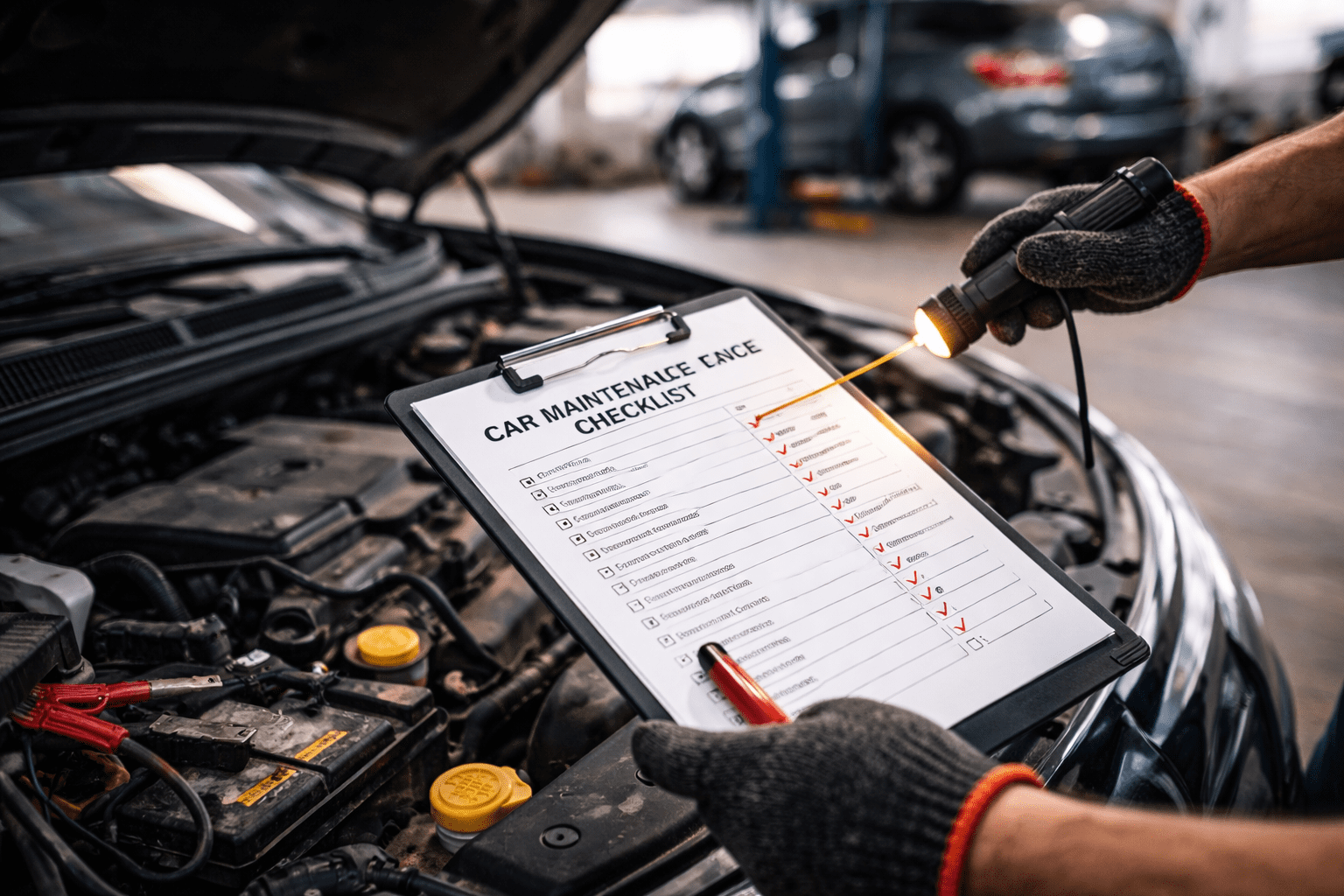
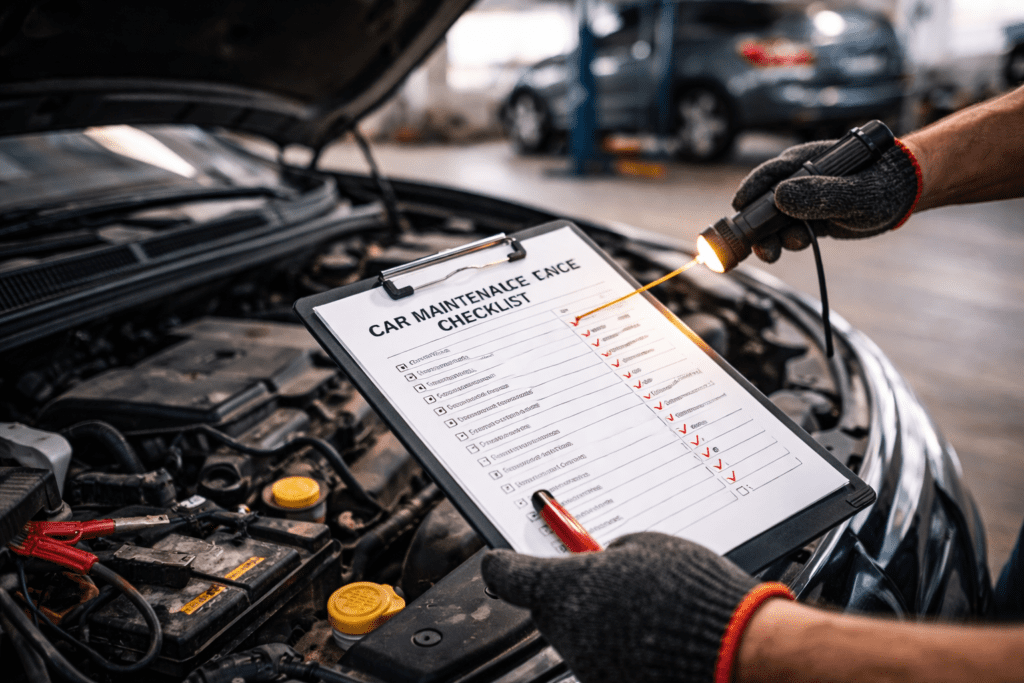
Car Maintenance Checklist 2026: Ultimate Guide for Smart Drivers
A proper car maintenance checklist is the difference between a reliable ride and an unexpected breakdown. In 2026, vehicles are more advanced than ever, but they still rely on routine inspections and preventive care. This complete car maintenance checklist helps you stay safe, extend vehicle life, and reduce repair costs by following a structured maintenance routine.
A well-planned car maintenance checklist prevents major failures before they happen. Studies show most roadside emergencies happen due to neglected routine car maintenance. By following a consistent car maintenance checklist, drivers can improve fuel efficiency, reduce wear and tear, and protect warranty coverage.
Skipping your vehicle maintenance schedule often leads to expensive repairs that could have been avoided with simple preventive car care steps.
Real-World Risks of Skipping Maintenance
Ignoring your car maintenance checklist can result in worn brake pads, underinflated tires, engine overheating, or battery failure. Small problems quickly turn into costly breakdowns. A proper car service checklist ensures early detection before damage spreads to major components.
Essential Daily and Weekly Car Maintenance Tasks
A smart car maintenance checklist begins with small but consistent habits. These checks take only a few minutes but can prevent serious issues.
Quick Visual Inspections
Walk around your vehicle. Look for leaks, unusual tire wear, or broken lights. A simple visual check is the first step in any car maintenance checklist.
Tire Pressure and Tread Check
Maintaining correct tire pressure improves fuel economy and safety. Check PSI weekly and inspect tread depth. Tire care is a key part of every car maintenance checklist.
Lights and Signals Test
Make sure headlights, brake lights, and indicators work properly. Faulty lights can lead to fines and accidents. Add this to your weekly car maintenance checklist routine.
Fluid Levels at a Glance
Fluid checks are essential in any routine car maintenance plan.
Engine Oil Dipstick Read
Check oil level and color. Follow your oil change schedule strictly. Clean oil keeps the engine running smoothly and supports long-term preventive car care.
Coolant and Windshield Washer
Low coolant leads to overheating. Washer fluid ensures clear visibility. These quick checks strengthen your car maintenance checklist habits.
Monthly Vehicle Maintenance Schedule
Your monthly car maintenance checklist should go deeper than weekly checks.
Interior and Exterior Cleaning Routine
Cleaning prevents rust, protects paint, and maintains resale value. It also helps detect hidden damage early.
Battery Terminal Cleaning Tips
Corrosion reduces battery performance. Cleaning terminals is a simple but powerful auto maintenance tip within your car maintenance checklist.
Wiper Blades and Filters Inspection
Replace worn wiper blades and inspect air filters. Clean airflow improves fuel efficiency and engine health.
Quarterly Car Service Checklist
Every three months, your car maintenance checklist should include more technical inspections.
Tire Rotation and Alignment
Follow proper tire rotation frequency to ensure even wear. Alignment protects suspension components and improves driving stability.
Brake Pad and Rotor Assessment
Inspect pads using a brake inspection guide. Thin brake pads reduce stopping power and compromise safety.
Air Filter Replacement Guide
Replacing a dirty filter improves engine performance and supports long-term routine car maintenance.
Bi-Annual and Annual Maintenance Milestones
A complete car maintenance checklist also includes yearly professional service intervals.
Oil Change and Filter Service
Stick to the manufacturer’s oil change schedule. Synthetic oil may last longer, but regular service remains critical.
Choosing the Right Oil Type
Using correct oil grade improves engine protection and fuel efficiency. Always verify specifications in your manual.
Transmission Fluid Flush
Transmission service is often ignored. Regular checks prevent expensive gearbox repairs.
Spark Plugs and Belts Check
Belts and spark plugs wear over time. Replacing them on schedule keeps your engine reliable and smooth.
Seasonal Car Maintenance Checklist
Weather changes require seasonal car prep adjustments.
Winter Prep Essentials
Test antifreeze strength and inspect battery condition. Cold weather increases mechanical stress.
Summer Readiness
Check AC system efficiency and inspect cooling system components. Heat can damage neglected engines quickly.
Advanced Systems and Diagnostics
Modern vehicles include advanced electronics. A smart car maintenance checklist now includes digital checks.
OBD-II Scanner Basics for DIY
An affordable scanner helps detect warning codes early. This improves preventive car care and reduces diagnostic costs.
Suspension and Steering Review
Uneven tire wear or steering vibration indicates alignment or suspension problems. Early detection prevents costly damage.
Costs, Tools, and Professional vs DIY
Following a car maintenance checklist reduces long-term costs significantly. DIY car maintenance saves money, but certain tasks require certified mechanics.
Basic tools like a jack, torque wrench, and OBD scanner are valuable for home maintenance.
Common Mistakes to Avoid
Many drivers ignore manufacturer recommendations in their vehicle maintenance schedule. Skipping early warning signs leads to expensive repairs.
Tracking your service history strengthens your car warranty maintenance and improves resale value.
Final Verdict: Your Path to a Reliable Ride
This complete car maintenance checklist transforms vehicle ownership from reactive repairs to proactive care. By following a structured vehicle maintenance schedule, you reduce breakdown risks, improve performance, and protect your investment. Start implementing this car maintenance checklist today and drive confidently through 2026 and beyond.
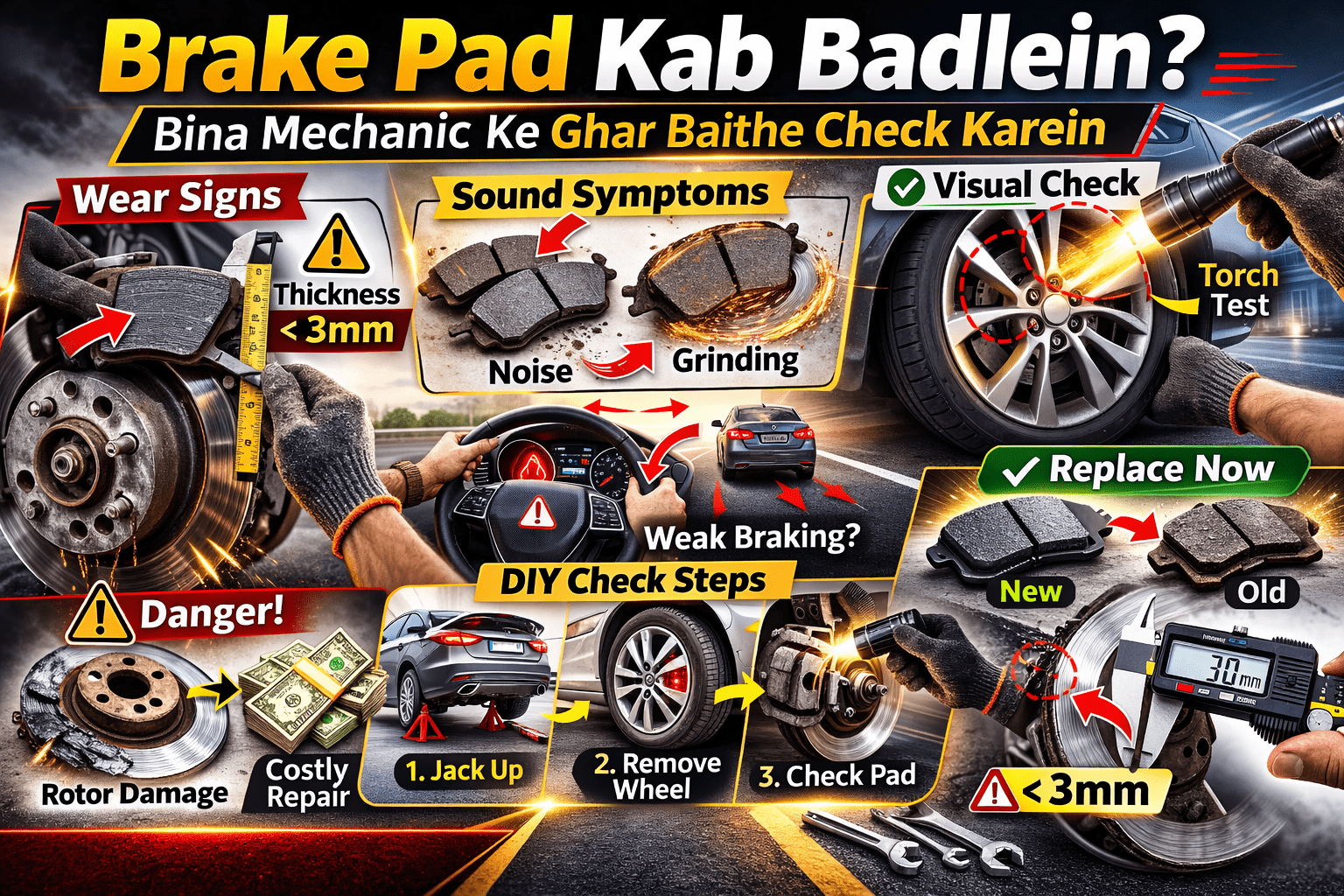
Brake Pad Kab Badlein yeh har car owner ko pata hona chahiye kyunki braking system directly safety se related hai. Agar brake pad time par replace na kiya jaye to disc rotor damage ho sakta hai aur braking distance barh sakti hai. Is liye Brake Pad Kab Badlein ka sahi waqt samajhna accident se bachne ke liye zaroori hai.
Brake Pad Kab Badlein Agar Awaaz Aa Rahi Ho?
Agar brake lagate waqt cheekhne ya ghisne ki awaaz aaye to yeh strong signal hai ke Brake Pad Kab Badlein ka time aa gaya hai. Modern brake pads mein wear indicator hota hai jo patla hone par noise create karta hai. Metal grinding sound ka matlab hota hai ke pad almost khatam ho chuka hai.
Ghar Baithe Visual Inspection Kaise Karein?
Brake Pad Kab Badlein check karne ka sabse easy tareeqa visual inspection hai. Gaadi ke wheel spokes ke darmiyan se torch ki madad se brake pad dekhein. Agar pad ki thickness 3mm se kam lag rahi ho to Brake Pad Kab Badlein ka decision delay na karein.
Steering Vibration Bhi Signal Hai?
Agar brake lagate waqt steering vibrate kare to log sochte hain rotor issue hai. Lekin kai cases mein uneven wear ki wajah se Brake Pad Kab Badlein ka waqt aa chuka hota hai. Smooth braking feel na ho to inspection zaroor karein.
Brake Performance Weak Ho Rahi Ho
Agar pedal dabane par gaadi late rukti ho to Brake Pad Kab Badlein par serious sochna chahiye. Braking distance barhna clear warning hoti hai. Yeh sign ignore karna dangerous ho sakta hai.
Mileage Se Kaise Andaza Lagayein?
Normally brake pads 30,000 se 70,000 km tak chal sakte hain. Lekin driving style par depend karta hai. City driving mein frequent braking hoti hai is liye Brake Pad Kab Badlein ka interval kam ho sakta hai.
Burning Smell Ya Heat
Hard braking ke baad jalne ki smell aaye to Brake Pad Kab Badlein ka signal ho sakta hai. Overheated pads jaldi wear hote hain aur braking efficiency kam kar dete hain.
Agar Brake Pad Kab Badlein ko ignore kiya jaye to rotor surface scratch ho sakta hai. Rotor replace karna brake pad se mehnga hota hai. Is liye early replacement paisa bhi bachata hai.
Safe DIY Checking Steps
Flat surface par gaadi park karein Handbrake lagayein Torch se brake pad thickness dekhein Agar doubt ho to wheel remove karke close inspection karein Agar pad 3mm se kam ho to Brake Pad Kab Badlein ka jawab clear hai
Final Verdict
Brake Pad Kab Badlein ka jawab simple hai, jab noise aaye, braking weak ho, vibration feel ho ya pad thickness 3mm se kam ho. Regular inspection se aap bina mechanic ke bhi timely decision le sakte hain. Safety compromise na karein kyunki brake system gaadi ka sabse important hissa hai.
FAQs
Brake Pad Kab Badlein ignore karne ka nuksaan kya hai?