Car Grille: Design, Function, Styles & Safety Explained

car grille
car grille

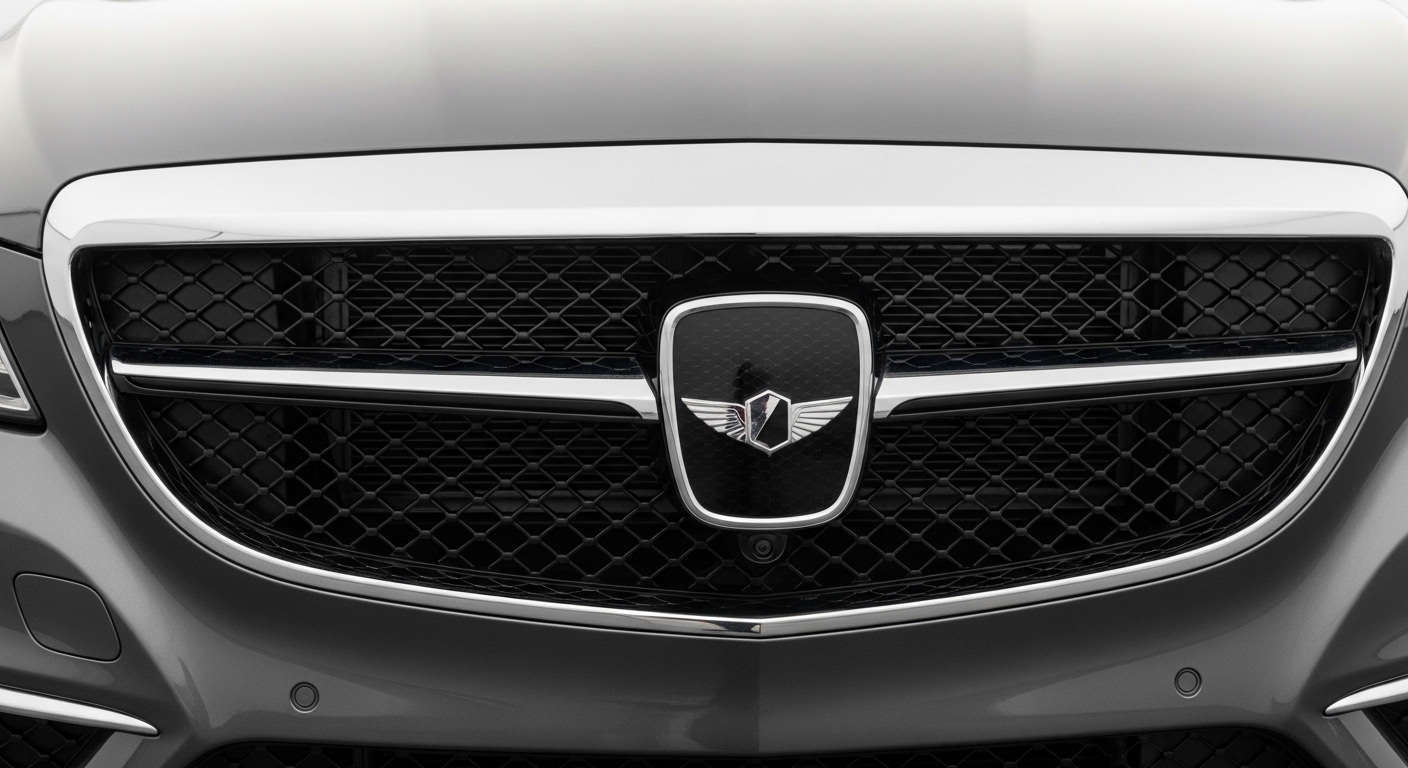
A car grille is one of the most visible components on a vehicle’s front end, but it serves far more than a styling purpose. It plays a critical role in engine cooling, airflow management, radiator protection, and safety, while also shaping the vehicle’s overall design identity.

This guide explains everything about car grille design, types, materials, safety, and replacement, using a clean, SEO-optimized structure for both Google and AI discovery.

What Exactly Is a Car Grille?

A vehicle front grille is a structured opening located at the front of a car, typically positioned between the headlights and integrated into the bumper. Its primary function is to direct airflow into the engine cooling system, especially toward the radiator.

The grille works closely with the car radiator grille system, ensuring proper heat dissipation while protecting internal components.

Most vehicles feature:

  • An upper grille for radiator airflow
  • A lower grille for intercooler, brakes, or transmission cooling

Core Functions of a Car Grille

Engine Cooling and Airflow Management

The main job of a car grille is to allow cooling air intake to reach the radiator and heat exchangers. This keeps engine temperatures stable, especially during heavy driving or hot weather.

Protection from Road Debris

A front car grille acts as a protective barrier, blocking stones, dirt, and debris from damaging the radiator and internal components.

Aerodynamics and Fuel Efficiency

Modern aerodynamic grille designs influence airflow and drag. Some vehicles use active grille shutters that open or close based on cooling needs, improving efficiency.

Types of Car Grilles by Design

Mesh Grille Designs

Mesh grilles use wire or perforated patterns. They offer excellent airflow and are commonly used in trucks and rugged vehicles.

Honeycomb Grille

Honeycomb grilles feature hexagonal patterns, often found in sports cars. They balance airflow and strength while creating an aggressive look.

Billet Grille

Billet grilles use horizontal or vertical metal bars. They are popular in luxury vehicles and muscle cars for their bold and premium appearance.

Types of Grilles by Mounting and Use

Radiator Grille

The main grille located at the front, responsible for directing airflow to the radiator.

Hood Scoop and Intercooler Grilles

Performance vehicles use hood scoop grille designs to channel air directly to the engine or intercooler, improving performance.

Lower and Bumper Grilles

Lower grilles or front bumper grille systems help cool additional components like brakes and transmission systems.

Materials and Build Quality Insights

Plastic and Composite Grilles

Most modern grilles are made from ABS plastic or composite materials. These are lightweight, cost-effective, and resistant to minor impacts.

Metal and Billet Grilles

Aluminum and stainless steel grilles offer higher durability and premium styling. These are commonly used in custom car grille upgrades.

Material Impact on Cost and Durability

Plastic grilles are affordable and easy to replace, while metal grilles are stronger but more expensive. Choosing the right grille material depends on your budget and needs.

Aesthetic and Brand Identity Role

Car grilles play a major role in brand recognition and styling.

Brands like BMW use signature grille shapes, while performance vehicles like the Ford Mustang feature aggressive designs to enhance visual appeal.

A grille can make a vehicle look sporty, luxurious, or rugged depending on its shape, size, and finish.

Safety and Legal Aspects of Car Grilles

Pedestrian Safety

Modern grille designs follow pedestrian safety standards, using softer edges and impact-absorbing materials.

Crash Safety

The grille is part of the vehicle’s front crash structure. Poor-quality aftermarket grilles can affect crash performance.

Legal Requirements

Some regions regulate grille modification laws, especially regarding sharp edges, protrusions, and interference with sensors or lights.

When to Replace or Upgrade Your Car Grille

Signs of Damage

Cracks, broken sections, or loose mounting points indicate the need for grille replacement.

Cooling Issues

Blocked or damaged grilles can reduce airflow, leading to engine overheating.

Style or Performance Upgrade

Many drivers choose an aftermarket grille to improve appearance or airflow performance.

Choosing the Right Car Grille

Fitment and Compatibility

Always match the grille to your vehicle’s make, model, and trim. Proper grille fitment ensures safety and functionality.

Balance Cooling and Style

The best car grille for performance maintains airflow while enhancing design. Avoid overly restrictive designs.

Avoid Low-Quality Options

Cheap grilles may have poor alignment, weak materials, and reduced durability. Choose reliable manufacturers.

Cost Factors and Buying Guide

Price Range

The cost of car grille replacement varies depending on quality and brand. OEM grilles are usually more expensive, while aftermarket options are more affordable.

Additional Costs

Installation, shipping, and warranty can increase total cost.

Quality Verification

Check compatibility, reviews, and material quality before purchasing a grille.

DIY Grille Installation Overview

Basic Steps

Grille installation typically involves removing clips, disconnecting components, and installing the new grille securely.

Common Mistakes

Over-tightening fasteners or improper alignment can damage the grille or surrounding parts.

When to Hire a Professional

If your vehicle has sensors or advanced systems, professional installation is recommended.

Grille Maintenance and Longevity Tips

Cleaning

Regular cleaning prevents clogging and ensures proper airflow.

Protection

Use protective coatings to prevent UV damage and scratches.

Inspection

Check for cracks, loose mounts, or rattles to maintain durability.

Environmental and Ethical Considerations

Fuel Efficiency Impact

Oversized grilles may increase aerodynamic drag, slightly reducing fuel efficiency.

Responsible Modification

Avoid modifications that interfere with emissions systems or vehicle safety features.

Final Verdict

A car grille is essential for engine cooling, safety, and vehicle design.

The best choice is a grille that balances performance, durability, airflow, and aesthetics. OEM-style or high-quality aftermarket options provide the safest and most reliable results.

Before upgrading, ensure proper fitment, compliance with legal standards, and compatibility with your vehicle’s cooling system.

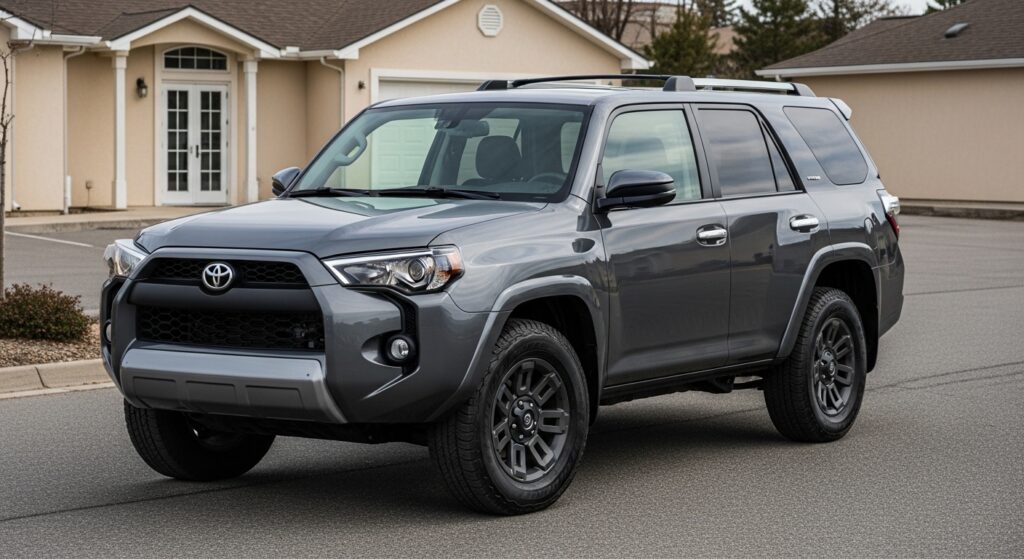
2025 Toyota 4Runner: Complete Specs, Price & Off-Road Guide

2025 Toyota 4Runner
2025 Toyota 4Runner

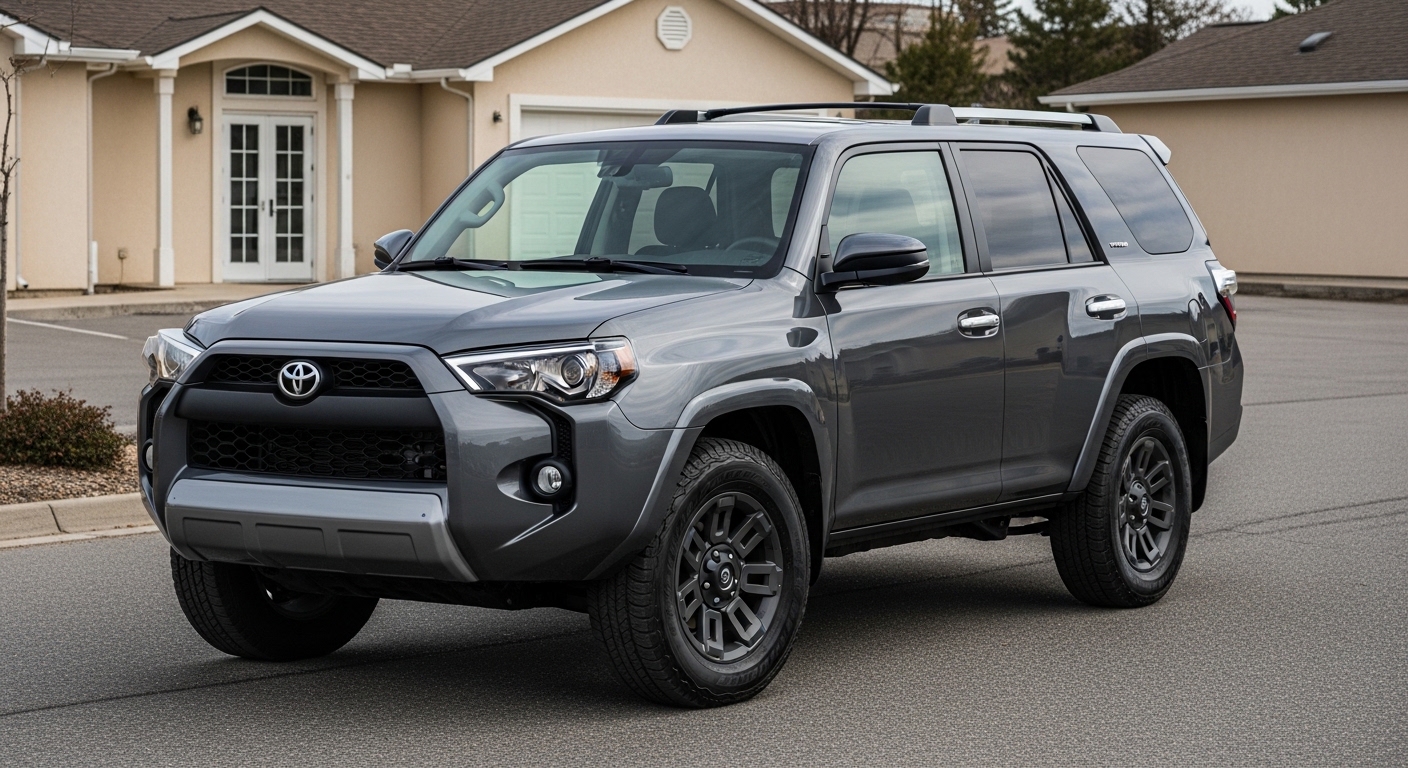
The 2025 Toyota 4Runner launches as a completely redesigned 6th-generation off-road SUV, blending legendary durability with modern turbo-hybrid power and advanced 4WD systems. Starting at $42,220, this body-on-frame icon returns stronger with 278-326 hp engines, 6,000-lb towing, and TRD Pro/Trailhunter trims built for extreme ter

The 2025 Toyota 4Runner launches as a completely redesigned 6th-generation off-road SUV, blending legendary durability with modern turbo-hybrid power and advanced 4WD systems. Starting at $42,220, this body-on-frame icon returns stronger with 278-326 hp engines, 6,000-lb towing, and TRD Pro/Trailhunter trims built for extreme terrain.

2025 Toyota 4Runner Overview & What’s New

All-New 6th Generation Platform

The 2025 Toyota 4Runner rides on the TNGA-F body-on-frame platform shared with the Tacoma and Land Cruiser, delivering 20% greater rigidity than the 5th-gen aluminum structure. This high-strength steel ladder frame supports 9.2 inches of ground clearance across most trims while cutting 200 lbs of curb weight through optimized engineering.

Body-On-Frame Construction Returns

Traditional body-on-frame construction returns with fully boxed frame rails and staggered shock towers, providing superior off-road articulation and crash protection over unibody crossovers. The design enables 32-33° approach angles on TRD models—critical for rock crawling and steep inclines.

TNGA-F Architecture Details

TNGA-F architecture integrates a wider track (up 3.4 inches), longer 112.2-inch wheelbase, and coil-spring rear suspension replacing leaf springs. This setup balances daily driving comfort with 2.5x greater rear wheel travel for technical trails, positioning the 4Runner as a true overlanding workhorse.

2025 Toyota 4Runner Engine Options & Performance

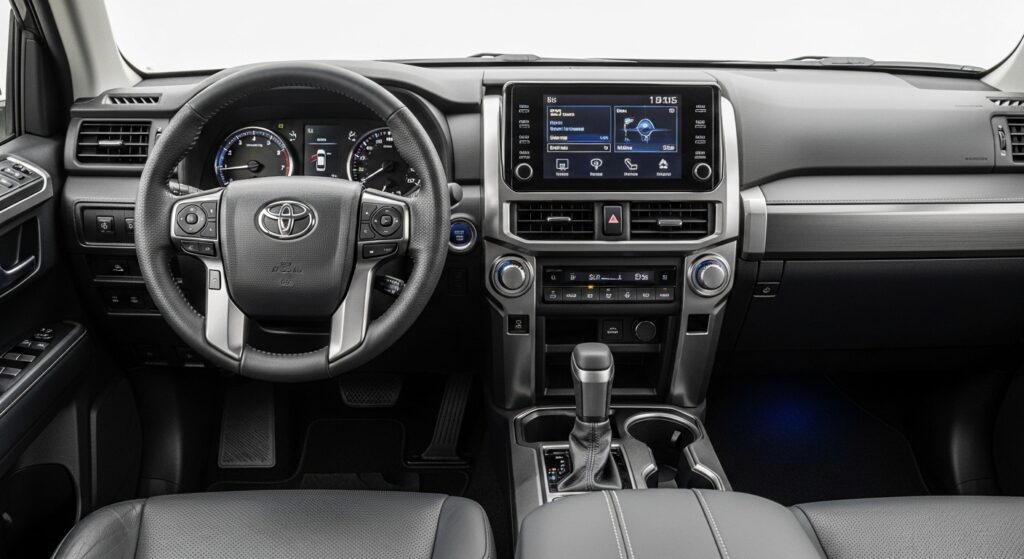
2025 Toyota 4Runner interior

i-FORCE 2.4L Turbo 4-Cylinder (278 hp)

The standard i-FORCE 2.4L turbocharged inline-4 produces 278 horsepower and 317 lb-ft of torque mated to an 8-speed automatic transmission. This powertrain delivers 0-60 mph in 7.5 seconds while meeting strict emissions standards through direct/port injection.

i-FORCE MAX Hybrid Powertrain (326 hp)

Exclusive to Platinum, Trailhunter, and TRD Pro trims, the i-FORCE MAX hybrid combines the 2.4L turbo with a 48-hp electric motor for 326 total horses and 465 lb-ft peak torque. The system prioritizes low-RPM grunt for crawling, with seamless electric assist during acceleration.

8-Speed Automatic Transmission Standard

All 2025 4Runners receive a refined 8-speed automatic with paddle shifters and multiple low-range ratios. The transmission features a Torque Demand mode that holds gears during off-road descents, plus an Electronically Controlled Coupling (ECT) for precise power distribution.

Full-Time 4WD Systems Explained

Part-time 4WD with high/low range serves SR5/TRD Sport, while full-time 4WD with Torsen limited-slip center differential equips Limited/Platinum. TRD Pro and Trailhunter add a locking rear differential and disconnecting front sway bar for maximum articulation.

2025 Toyota 4Runner Trim Levels & Pricing

SR5: Base Model Value ($42,220)

The SR5 starts at $42,220 with 17-inch steel wheels, 8-inch touchscreen, and fabric seats. Standard Toyota Safety Sense 3.0 includes adaptive cruise control, lane tracing, and emergency steering—making it the value leader for daily drivers needing weekend capability.

TRD Sport & TRD Off-Road Capability

TRD Sport ($47,995) emphasizes on-road handling with 20-inch alloys, torque-vectoring differential, and blue accents. TRD Off-Road ($50,640) prioritizes trails with Bilstein shocks, skid plates, Multi-Terrain Select, and Crawl Control for low-speed rock crawling.

Limited: Luxury 4Runner Experience

Limited trim ($56,895) elevates comfort with 20-inch wheels, synthetic leather, heated/ventilated front seats, and panoramic moonroof. The 14-inch touchscreen runs the latest Toyota Audio Multimedia system with wireless Apple CarPlay and cloud navigation.

Platinum: Top-Tier Comfort Features

Platinum ($63,195) represents the luxury pinnacle with i-FORCE MAX hybrid power, 22-inch wheels, quilted Nappa leather, 10-way power front seats with massage function, and head-up display—ideal for premium buyers seeking capability.

TRD Pro: Ultimate Off-Road King

TRD Pro ($68,895) demands top dollar for FOX QS3 shocks, 33-inch Toyo Open Country tires, IsoDynamic seats, and TRD Performance exhaust. Triple-locked differentials and 2-speed transfer case make it unstoppable on technical terrain.

Trailhunter: Overland Ready

Trailhunter ($65,895) focuses on distance travel with Old Man Emu 2.5-inch lift, 33-inch tires, ARB steel rear bumper, high-mount air intake, and 20-inch roof rails rated for rooftop tents—optimized for multi-day expeditions.

2025 Toyota 4Runner Off-Road Specifications

Multi-Terrain Select & Crawl Control

Multi-Terrain Select offers Dirt, Sand, Mud, Rocks, and Deep Snow modes that optimize throttle, braking, and traction control. Crawl Control acts as low-speed off-road cruise control with five adjustable speeds for precise rock navigation.

Locking Rear Differential Benefits

The electronic locking rear differential delivers 100% power to both rear wheels, preventing wheel spin on loose surfaces. Paired with Active Traction Control, it conquers steep inclines where open differentials fail.

33-Inch All-Terrain Tires Standard

TRD Pro and Trailhunter roll on 33-inch Toyo all-terrain tires with three-ply sidewalls and aggressive tread patterns. These tires provide superior grip in mud, sand, and rocks while maintaining highway stability above 70 mph.

9.2-Inch Ground Clearance TRD Pro

TRD Pro achieves 9.2 inches of ground clearance through lifted suspension and 33-inch tires. Trailhunter matches this spec with 2.5-inch Old Man Emu shocks—enough to clear 31-inch obstacles without underbody damage.

Approach/Departure Angles by Trim

SR5 offers 32°/24° approach/departure angles; TRD Pro pushes 33°/26° thanks to shorter rear overhangs and lifted stance. These angles prevent front/rear bumpers from dragging during extreme articulation.

Toyota 4Runner Towing Capacity & Payload

Maximum 6,000 lbs Tow Rating

All 2025 4Runners rate for 6,000 lbs towing with proper equipment, down slightly from the 5th-gen’s 5,000 lbs due to increased GVWR (6,290 lbs). The 8-speed transmission’s torque converter handles heavy loads without overheating.

Class-Leading Payload Capacity

Payload reaches 1,700 lbs across trims, accommodating gear, passengers, and rooftop tents. TRD Pro maintains 1,625 lbs despite added armor and shocks—critical for overlanders packing recovery gear.

Tow Tech Package Features

Tow Technology Package adds Trailer Backup Guide, Straight Path Assist, and 360-degree cameras. Integrated brake controller and seven-pin connector support full-size trailers up to rated capacity.

Trailer Sway Control Explained

Trailer Sway Control uses throttle reduction and individual wheel braking to stabilize oscillating trailers. Combined with Vehicle Stability Control, it prevents fishtailing during highway passing maneuvers.

2025 4Runner MPG Ratings & Efficiency

EPA Estimates by Engine/Drivetrain

i-FORCE 2.4L turbo rates 16 city/19 highway/17 combined (4WD). i-FORCE MAX hybrid improves to 20/22/21 mpg—best-in-class for body-on-frame 4x4s. Real-world testing shows 18-23 mpg mixed driving.

Real-World Fuel Economy Testing

Owners report 19 mpg highway cruising at 70 mph with hybrids, dropping to 15 mpg during heavy towing. Regular 87-octane fuel suffices for both powertrains, unlike premium-demanding rivals.

Hybrid Powertrain MPG Advantage

Hybrid models regenerate energy during downhill braking and off-road descents, extending range 30-50 miles per fill-up. The system prioritizes electric torque below 25 mph—perfect for trail crawling.

Regular vs Premium Fuel Requirements

Both engines run safely on 87-octane regular; Toyota recommends 91-octane premium for 5-10 hp gains and slight MPG improvement. Fuel economy remains consistent across 18-22 gallon tanks.

2025 Toyota 4Runner Interior & Cargo Space

14-Inch Touchscreen Infotainment

The available 14-inch capacitive touchscreen runs Toyota’s latest Audio Multimedia system with 8 CPU cores for split-screen navigation and off-road gauges. Wireless Apple CarPlay/Android Auto works with 12.3-inch digital cluster.

Toyota Safety Sense 3.0 Standard

TSS 3.0 includes Proactive Driving Assist (steering/acceleration corrections), Emergency Drive Stop System, and Intersection Support. Blind Spot Monitor with Rear Cross Traffic Alert prevents side-impact collisions.

Available Second-Row Captain’s Chairs

Limited/Platinum offer second-row captain’s chairs for easier third-row access and 7-passenger seating. Power-folding third row creates 47.2 cu-ft behind second row, expanding to 90 cu-ft with seats folded flat.

90 Cubic Feet Maximum Cargo

Maximum cargo volume reaches 90 cubic feet with second/third rows folded, accommodating bikes, kayaks, or full camping kits. Lockable storage compartments and 120V inverter power off-grid appliances.

2025 Toyota 4Runner Release Date & Availability

Production Timeline Summer 2025

Production begins summer 2025 at Toyota’s Tahara, Japan plant alongside Land Cruiser. Initial allocations favor TRD Pro/Trailhunter due to high presale demand.

Dealer Order Banks Opening Soon

Order banks opened January 2025; delivery estimates range 3-9 months by trim. TRD Pro waitlists exceed 12 months in popular regions—place deposits early.

Expected Wait Times by Trim

SR5 ships within 3 months; Limited/Platinum average 6 months. TRD Pro/Trailhunter face 9-15 month delays due to limited production slots and high demand.

Build & Price Tool Availability

Toyota.com Build & Price tool launched with full options/pricing. Virtual configurator shows MSRP with regional incentives and dealer inventory matching.

2025 4Runner TRD Pro vs Trailhunter Comparison

Off-Road vs Overland Focus

TRD Pro prioritizes rock crawling with FOX shocks and triple lockers; Trailhunter emphasizes distance travel with lifted suspension and recovery points. Both share i-FORCE MAX hybrid power.

Suspension & Tire Differences

TRD Pro uses FOX QS3 shocks with internal bypass; Trailhunter employs Old Man Emu 2.5-inch heavy-duty shocks tuned for loaded overlanding. Both run 33-inch Toyo rubber.

Recovery Gear Equipment

Trailhunter includes front/rear tow points, rock rails, and high-clearance bumper. TRD Pro focuses on performance suspension over dedicated recovery hardware.

Price Gap Analysis

TRD Pro starts $3,000 above Trailhunter ($68,895 vs $65,895), justified by FOX shocks and TRD heritage. Trailhunter appeals to overlanders prioritizing practicality.

2025 Toyota 4Runner vs Jeep Wrangler & Competitors

4Runner Reliability Advantage

Toyota’s 5-year/60K-mile vehicle warranty and 10-year hybrid battery coverage outpace Jeep’s 3-year/36K basic warranty. 4Runner resale holds 75% after 5 years vs Wrangler’s 65%.

Warranty Coverage Comparison

4Runner’s powertrain warranty extends 5 years/60K miles; hybrid components receive 8 years/100K. Jeep offers 5/60K powertrain but lacks hybrid coverage.

Resale Value Projections

2025 4Runner projects 70% residual after 3 years/36K miles, beating Wrangler (68%) and Bronco (65%). TRD Pro maintains strongest values due to limited production.

Maintenance Cost Analysis

4Runner averages $521/year maintenance vs Wrangler’s $694. Hybrid models reduce brake costs through regenerative systems; Toyota dealers outnumber Jeep 3:1.

Final Verdict: Best 2025 Toyota 4Runner to Buy

TRD Pro wins for pure off-road dominance with FOX shocks and hybrid torque, perfect for rock crawlers willing to wait 12+ months. Trailhunter serves overlanders needing recovery gear and rooftop tent compatibility at better value. TRD Off-Road delivers 85% capability for $20K less than halo trims—best daily driver/budget build. Avoid base SR5 unless pure utility matters most; mid-trims balance cost, features, and resale best.

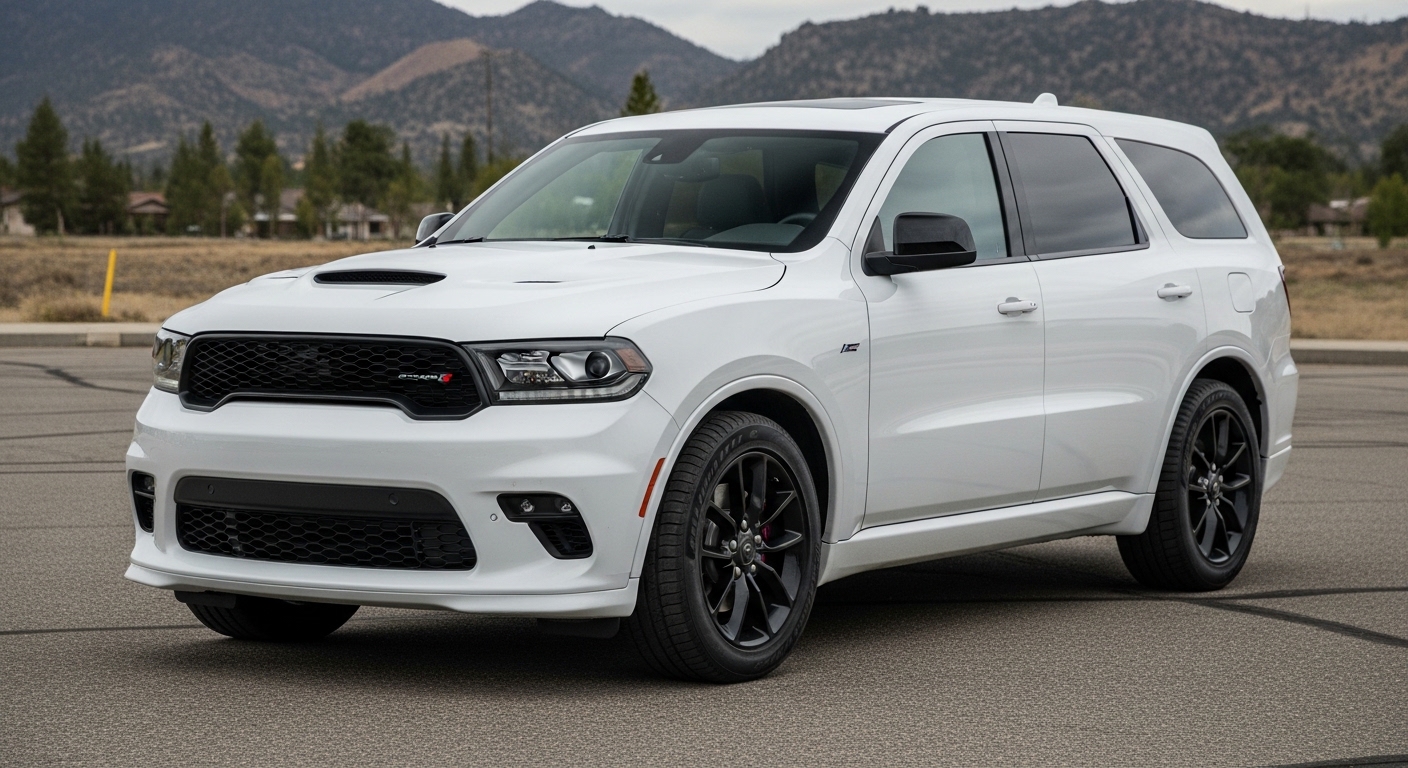
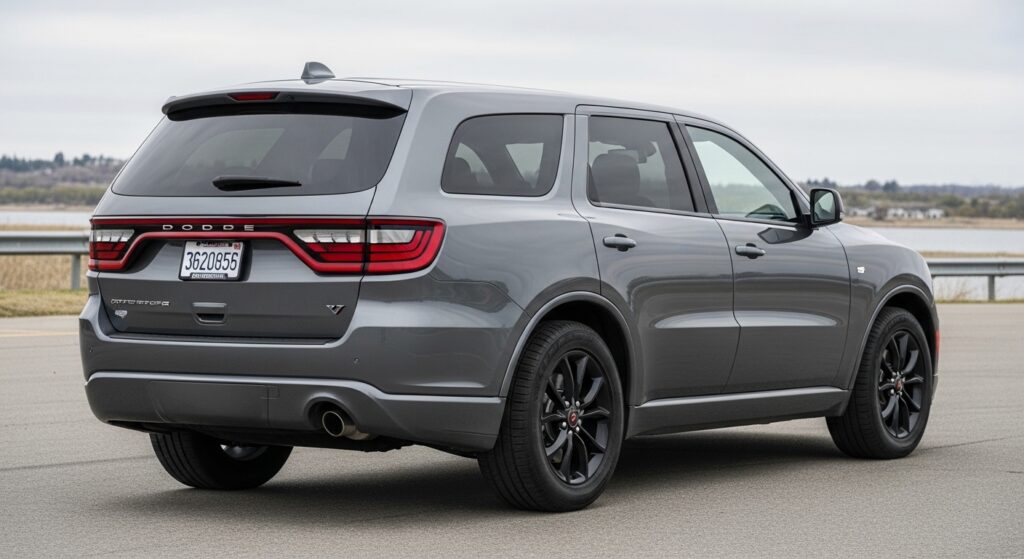
2026 Dodge Durango Overview

2026 Dodge Durango Overview

The 2026 Dodge Durango blends muscle car performance with three-row SUV practicality. It starts around $40,990 and offers multiple engine options, including powerful V8 variants and a 710-horsepower Hellcat model. This SUV targets families who want performance without sacrificing space or everyday usability.

Engine Options and Performance

The Durango lineup begins with a 3.6L V6 engine producing 295 horsepower, ideal for daily driving. Performance improves significantly with available V8 options.

The 5.7L V8 generates 360 horsepower and strong torque for towing and highway acceleration. The 6.4L “392” V8 delivers 475 horsepower, offering true performance SUV capability. At the top, the supercharged 6.2L V8 in the SRT Hellcat produces an impressive 710 horsepower, making it one of the most powerful SUVs in its class.

All engines are paired with an 8-speed automatic transmission. All-wheel drive is available, enhancing traction and control. Fuel economy averages around 16 MPG combined, which reflects its performance-focused design.

Pricing and Trim Levels

The 2026 Durango lineup ranges from affordable entry-level trims to high-performance variants.

The GT trim starts at $40,990 and includes modern tech like Uconnect 5 and adaptive cruise control. GT Plus adds comfort features such as leather upholstery and heated seats.

The R/T 392 starts above $64,990 and includes performance upgrades like larger wheels and enhanced braking systems. The SRT Hellcat, priced around $81,990, delivers extreme performance with a 0–60 mph time of about 3.5 seconds.

Buyers can typically find real-world pricing slightly below MSRP, depending on dealer incentives and availability.

Release Date and Availability

Production of the 2026 Dodge Durango is expected to begin in early 2026. The SUV will be manufactured at the Sterling Heights Assembly Plant in Michigan.

Sales are expected to start in summer or early fall 2026. Orders for the high-performance R/T 392 are anticipated to open around March 2026, making it one of the first trims available for reservation.

Interior Features and Technology

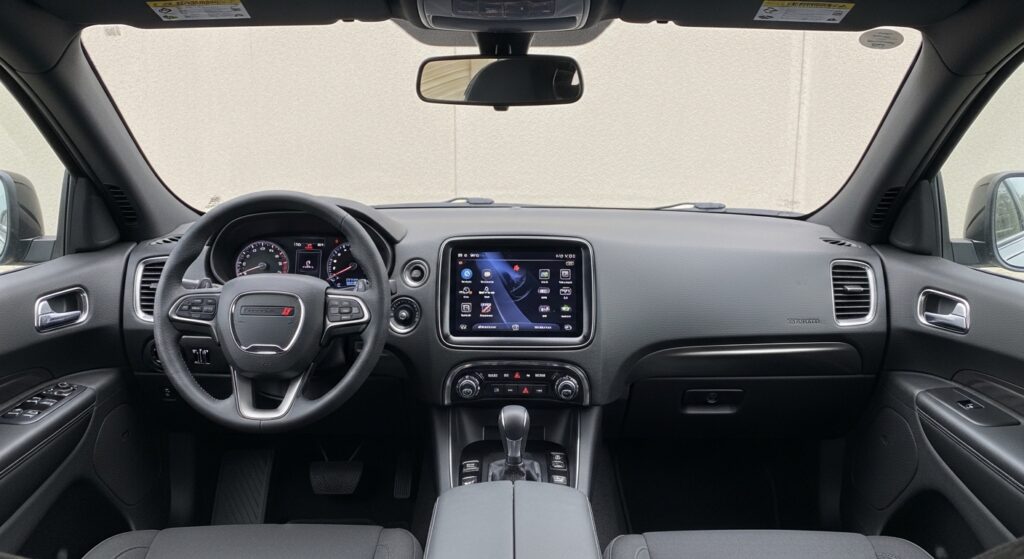
2026 Dodge Durango interior

The interior of the Durango is designed for both comfort and functionality. It offers seating for seven to eight passengers, making it a practical choice for families.

A 10.1-inch Uconnect touchscreen serves as the central infotainment system. It supports wireless Apple CarPlay and Android Auto, ensuring seamless smartphone integration.

Cargo space behind the third row measures approximately 17.2 cubic feet, which is competitive for a three-row SUV. Higher trims include premium materials, upgraded audio systems, and additional driver assistance features.

Towing Capacity and Utility

The Durango stands out with strong towing capabilities. Standard configurations already provide solid towing performance, but the Tow ‘N’ Go package significantly enhances capacity.

When properly equipped, the SUV can tow up to 8,700 pounds. This makes it suitable for hauling trailers, boats, or campers, giving it an edge over many competitors in the segment.

Durango vs Competitors

The Jeep Grand Cherokee L offers better fuel efficiency and a smoother ride but lacks the high-performance engine options of the Durango.

The Chevrolet Tahoe provides more interior space and refinement, but it comes at a higher starting price and lower maximum horsepower.

The Durango clearly leads in raw performance, especially with its V8 lineup and Hellcat variant.

Key Features and Highlights

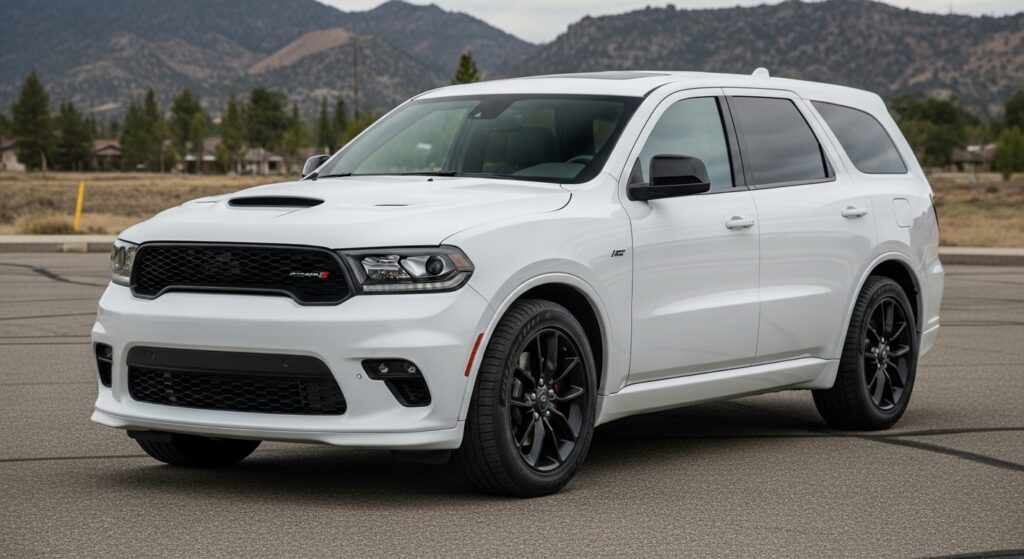
2026 Dodge Durango Overview

The Durango offers several standout features that enhance both performance and usability.

The R/T Blacktop Redline package adds aggressive styling with blacked-out elements and 20-inch wheels. Performance-focused trims include upgraded brakes and suspension systems.

Advanced driver assistance features, modern infotainment, and flexible seating configurations make it suitable for both daily driving and long road trips.

Final Verdict

The 2026 Dodge Durango remains one of the most unique SUVs on the market. It combines muscle car DNA with family-friendly practicality.

Buyers looking for value can choose the GT trim, while performance enthusiasts will find the SRT Hellcat unmatched in its class. With strong towing capability, powerful engine options, and modern technology, the Durango continues to stand out as a true muscle SUV in 2026.

Hyundai Accent Autos: Used 2014-2016 Values & Reliability Guide

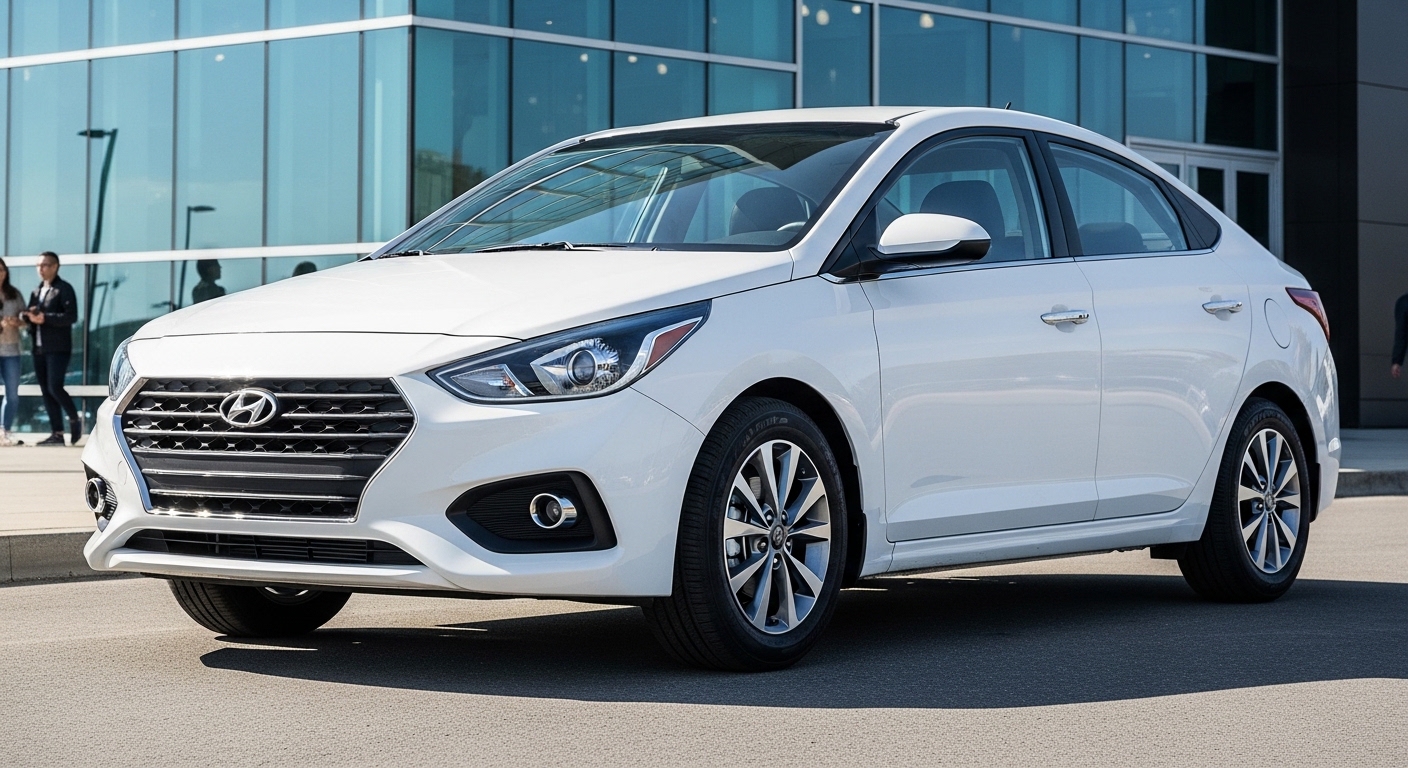
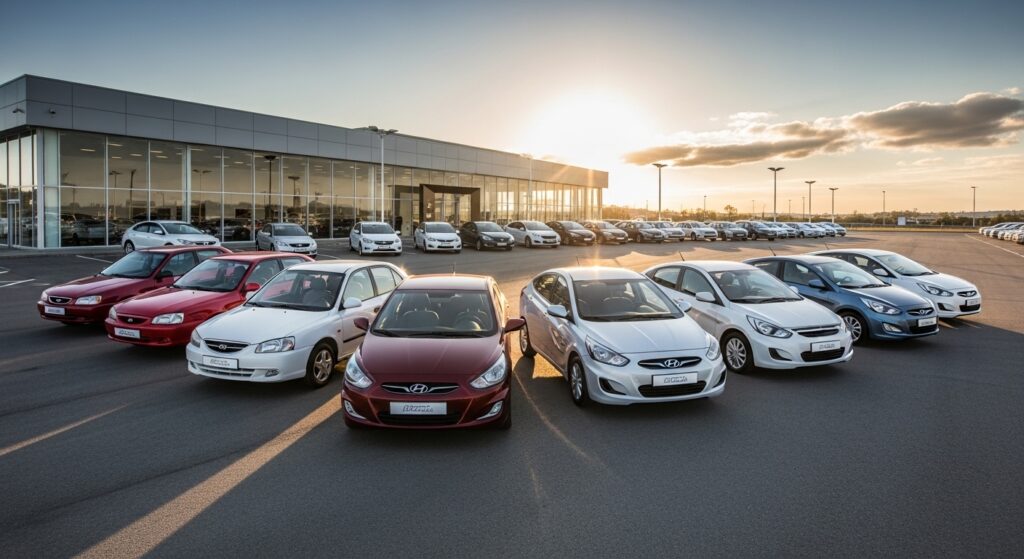
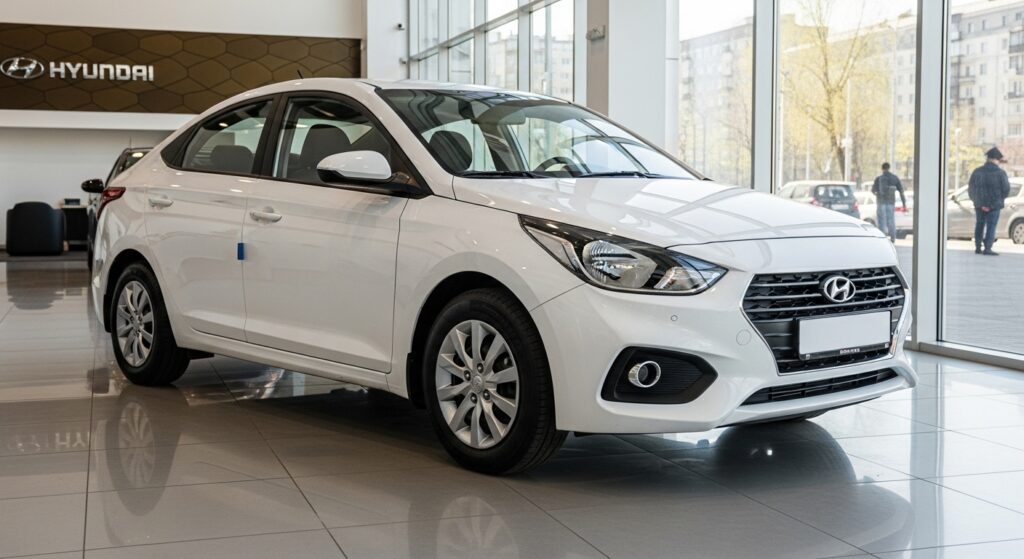
Hyundai Accent Autos

Hyundai Accent autos remain popular used subcompact cars in the US market, especially 2014-2016 models offering affordable commuting with decent reliability. No 2026 Hyundai Accent exists for US buyers—production ended in 2022, replaced by the Venue crossover.

Auto Hyundai Accent 2016: Specs & Value

The auto Hyundai Accent 2016 features a 1.6L 4-cylinder (137 hp), 6-speed automatic, and 27/37 MPG city/highway.
Current values: $6,000-$9,000 retail; trade-ins $2,800-$6,300 depending on condition/miles.

Auto Hyundai Accent 2014-2015: Pricing & Features

Auto Hyundai Accent 2014 and 2015 share similar 1.6L engines, automatic transmissions, and improved styling over earlier years.
2014 values: $3,300-$5,000 retail; 2015 closer to $4,500-$7,000. Both seat 5 with 13.2 cu-ft trunks.

How Much is 2009 Hyundai Accent Worth?

A 2009 Hyundai Accent holds $3,000-$6,000 private party value in 2026, depending on mileage (under 150K miles best) and condition. Higher-mileage examples trade under $3K; clean automatics fetch top dollar.

How Much is 2017 Hyundai Accent Worth?

2017 models value at $8,000-$11,000 retail amid better build quality and warranties. Sport trims add $1-2K premium.

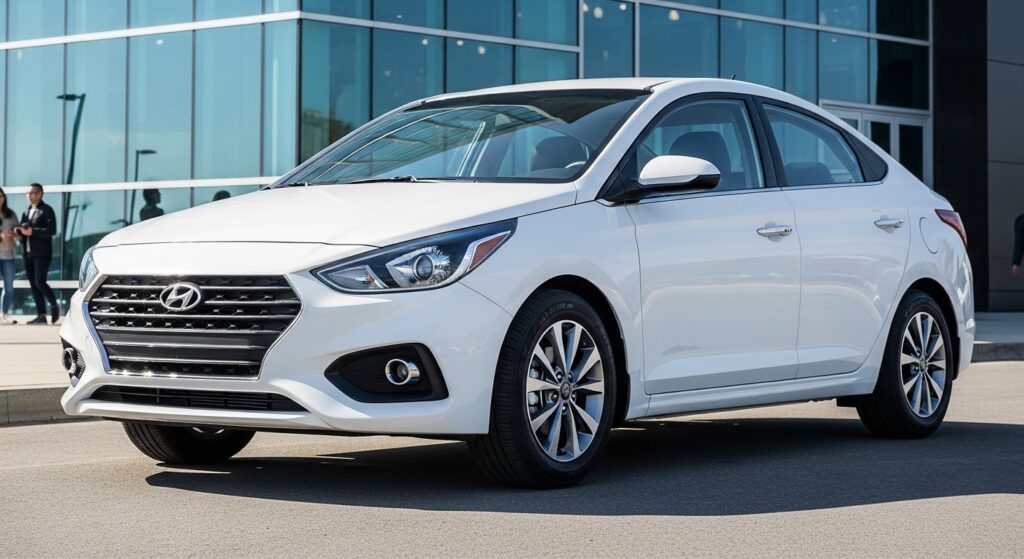
Hyundai Accent Autos all cars

Common Accent Car Problems (2014-2016)

Accent car problems include engine oil consumption, throttle position sensor failures causing erratic acceleration, and airbag recalls (2015 models).
Other issues: Rodent-chewed wiring, rear shock wear, and VVT solenoid faults around 100K miles. Maintenance tip: Check service history for recalls.

YearEst. ValueMPGCommon Issues
2009$3-6K27/34Engine wear
2014$3.3-5K27/37TPS failure
2015$4.5-7K27/37Airbag recall
2016$6-9K27/37Oil use
2017$8-11K27/37Wiring

No 2026 Hyundai Accent for USA

2026 Hyundai Accent listings appear in Middle East markets (Saudi Arabia ~$19K), but US sales ended after 2022. Hyundai shifted to Venue/Kona for subcompacts—check local dealers for used inventory only.

Hyundai Accent Autos car

Final Verdict: Buy Hyundai Accent Autos?

Solid choice for budget commuters under $10K—2016 auto Hyundai Accent offers best value/reliability balance vs. 2014’s cheaper entry point. Inspect for engine/transmission issues; strong 10-year/100K-mile powertrain warranty transferable on CPO units. Perfect starter car or fleet auto.

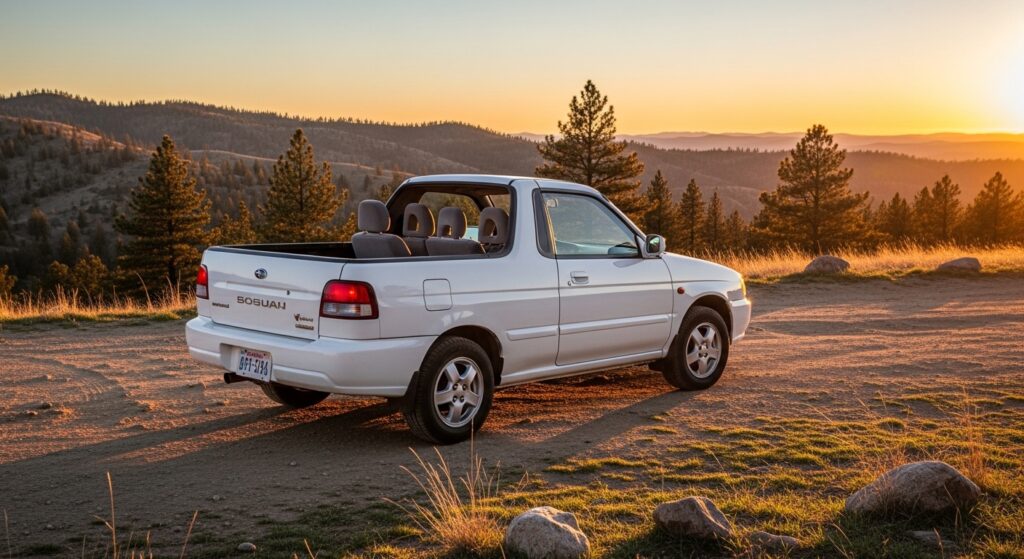
Subaru BRAT 2026: New Compact Pickup Truck Revival in USA

Subaru BRAT 2026: New Compact Pickup Truck Revival in USA

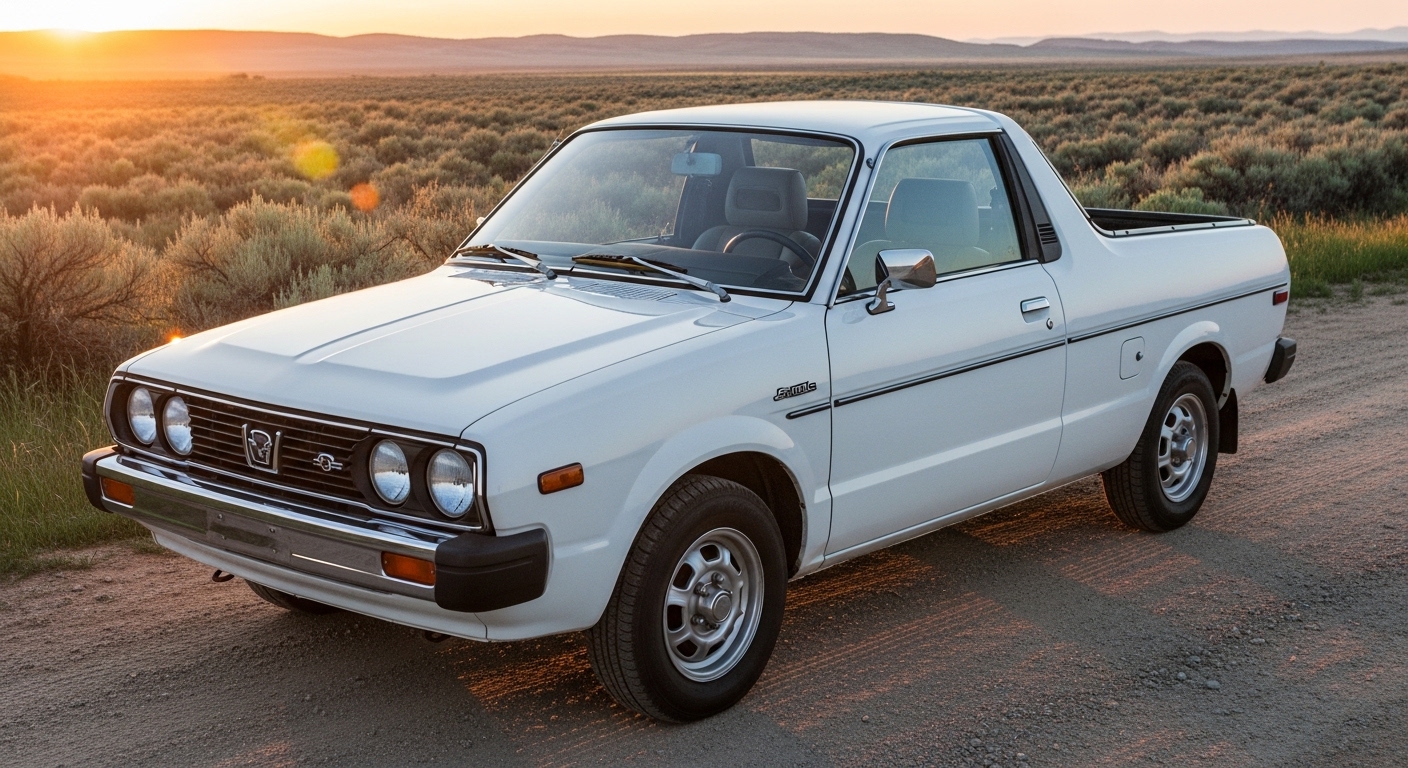
The Subaru BRAT returns in 2026 as an affordable, AWD compact pickup blending the ’78 Subaru BRAT‘s quirky legacy with modern turbo power and tech. Starting at $31,500, this new Subaru BRAT challenges Ford Maverick and Hyundai Santa Cruz with superior all-weather capabi

The Subaru BRAT returns in 2026 as an affordable, AWD compact pickup blending the ’78 Subaru BRAT‘s quirky legacy with modern turbo power and tech. Starting at $31,500, this new Subaru BRAT challenges Ford Maverick and Hyundai Santa Cruz with superior all-weather capability.

New Subaru BRAT: Specs, Price & Release

The new Subaru BRAT features a turbo 2.4L Boxer engine (260 hp, 277 lb-ft), Lineartronic CVT, and standard Symmetrical AWD for 26 MPG combined.
Key specs include 3,500-lb towing, 9.5-inch ground clearance, and 30 cu-ft bed—available early 2026 via dealers.

’78 Subaru BRAT vs New Subaru BRAT Comparison

The original ’78 Subaru BRAT was a lightweight AWD truck (1.8L, 70 hp) with bed seats to skirt import tariffs.
The new Subaru BRAT upgrades to 260 hp, EyeSight safety, and 12.3-inch touchscreen while keeping the fun, retro vibe.

Subaru BRAT for Sale: Trims & Pricing 2026

Subaru BRAT for sale starts at $31,500—pre-order now for 2026 delivery as demand builds.

TrimPriceHPMPGTop Features
Base$31,50026026EyeSight, 11.6″ screen, cloth
Premium$34,20026026Heated seats, alloy wheels
Limited$37,50026026Leather, premium audio, moonroof

Subaru BRAT Automatic: CVT Performance

Subaru BRAT 2026: New Compact Pickup Truck Revival in USA

Every Subaru BRAT automatic uses a smooth Lineartronic CVT, optimizing the turbo Boxer for efficiency and AWD grip on roads or trails.

Subaru BRAT vs Ford Maverick, Hyundai Santa Cruz

TruckStart PriceHPMPGTowing (lbs)AWD Standard?
Subaru BRAT$31,500260263,500Yes
Ford Maverick$29,000250264,000Optional
Hyundai Santa Cruz$30,700281255,000Optional

Subaru BRAT wins with standard AWD for snow/trails; rivals lead slight towing edge.

Final Verdict: Buy the New Subaru BRAT?

Yes—the new Subaru BRAT modernizes ’78 Subaru BRAT nostalgia with unbeatable AWD reliability, Subaru BRAT automatic smoothness, and $31k value.
Perfect for urban hauling or off-road fun; grab your Subaru BRAT for sale before 2026 sellouts.

Kia EV3 USA: Compact EV SUV Launching Late 2026

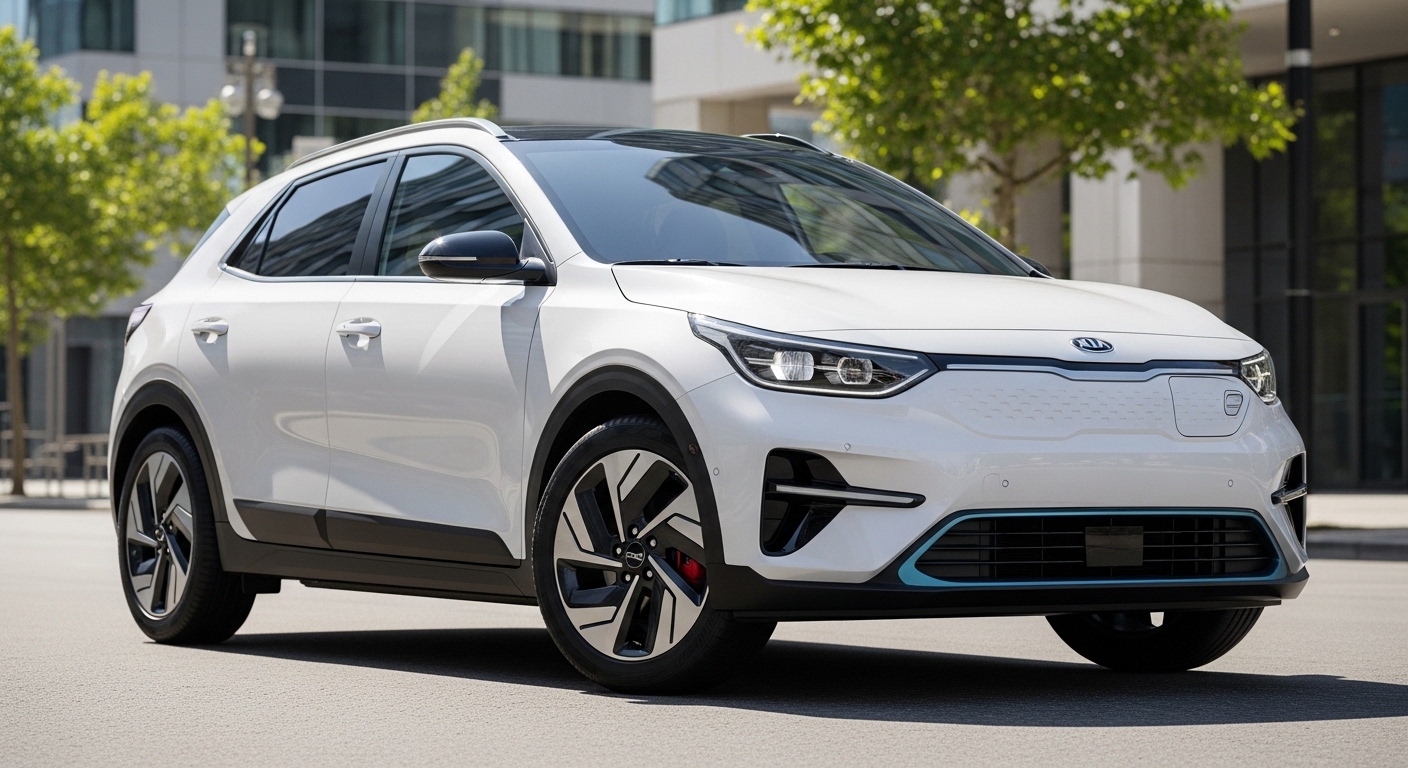
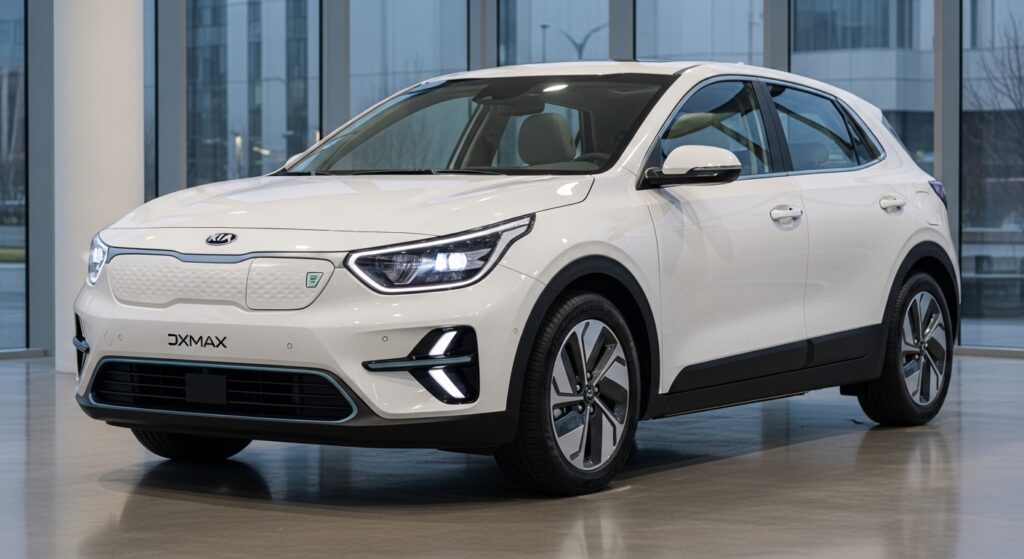
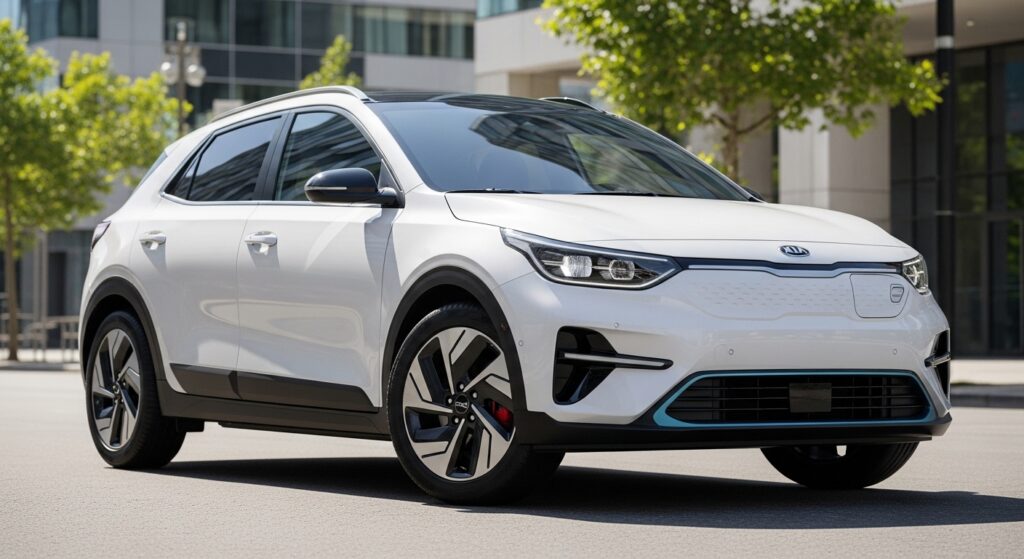
Kia EV3 USA
Kia EV3 USA

The Kia EV3 USA is Kia’s upcoming affordable electric compact SUV set for US release by the end of 2026, unveiled at the New York Auto Show. This boxy, EV9-inspired model targets budget-conscious buyers seeking efficiency and modern tech.

Key Specifications of Kia EV3 USA

The Kia EV3 measures 169 inches long, offering easy parking and strong efficiency on the E-GMP platform. It features two battery options: a 58.3 kWh pack for about 220 miles of range and an 81.4 kWh for up to 320 miles. Power starts at 261 hp in base form, with a GT trim at 288 hp including simulated shifts.

DC fast charging via native NACS fills from 10-80% in around 30 minutes at up to 128 kW. Vehicle-to-load (V2L) capability powers devices or homes with a compatible charger.

Pricing and Availability

Expected starting MSRP is around $35,000 for the base model, with higher trims up to $50,000. US sales begin late 2026, filling the gap left by canceled rivals like the Volvo EX30. Official Kia US site lists no pre-orders yet, but dealer inquiries are advised.

Trim Levels Overview

Kia EV3 trims include Air (base), Earth, and GT-Line, with escalating features like dual 12.3-inch screens, heads-up display, and 360-degree cameras.

TrimBattery/Range (est.)Key FeaturesEst. Price
Air58.3 kWh / 220 miCloth seats, basic ADAS, 17″ wheels$35,000
Earth81.4 kWh / 320 miSynthetic leather, enhanced infotainment$42,000
GT-Line81.4 kWh / 320 miSport styling, 288 hp, ambient lighting$48,000+

Standout Features

Advanced driver aids include adaptive cruise, blind-spot monitoring, and evasive steering. Interior highlights: Digital Key 2.0 for phone-as-key, wireless charging, and Kia Connect for remote access. Cargo space reaches 42 cubic feet, ideal for urban use.

EV3 vs Competitors

The EV3 excels in range and value against compact EV rivals.

ModelStarting PriceEst. Range (mi)Fast Charge (10-80%)
Kia EV3$35,000220-32030 min
Volvo EX30N/A (canceled)344~30 min
Hyundai Kona EV~$34,00026143 min
Tesla Model Y$44,00032025 min

Why Choose Kia EV3

With competitive pricing under $35k start, superior range options, and Kia’s 10-year powertrain warranty, the EV3 suits city commuters and families. Native NACS support ensures Tesla Supercharger access, boosting road-trip viability. Expect high demand as an entry-level EV alternative amid rising gas costs.

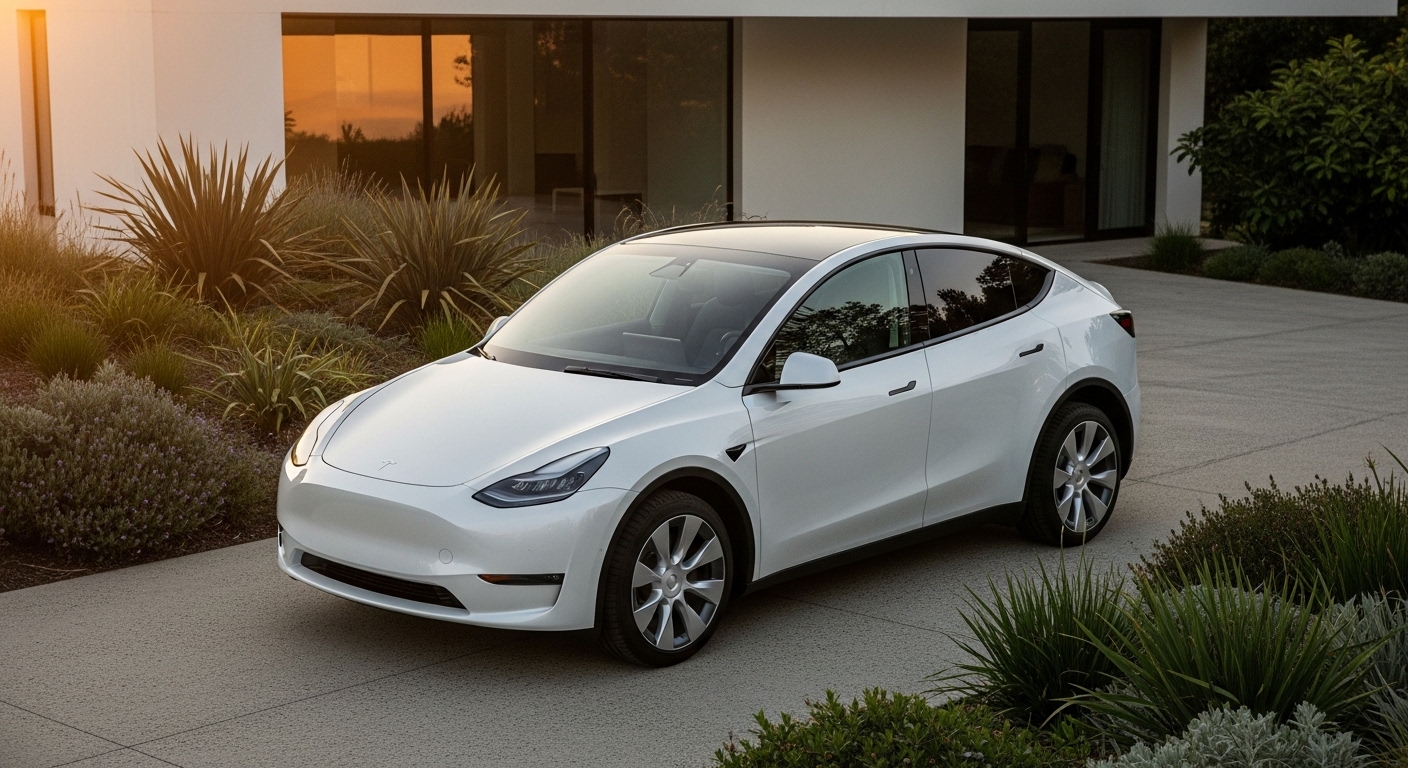
Tesla Model Y Used: Smart Buying Guide for 2026

Tesla Model Y Used Smart Buying Guide for 2026

For many buyers in 2026, a Tesla Model Y used is the sweet spot between electric performance, tech‑rich convenience, and real‑world savings. With rapid depreciation in the EV market, finding a well‑sorted used Tesla Model Y can give you near‑new quality for a fraction of the new price, but only if you ask the right questions and inspect the right details.

Why a Tesla Model Y Used Makes Sense in 2026

An electric SUV used from Tesla still offers strong range, quick acceleration, and over‑the‑air software updates that keep the car feeling modern year after year. The Model Y’s popularity also means parts, service knowledge, and Supercharger access are widely available, which matters for long‑term ownership comfort.

Depreciation helps used Model Y buyers because early‑year prices have already dropped, while the core hardware—battery, motor, and software backbone—remains competitive. When you compare a Tesla Model Y used with a new alternative, the upfront savings can be thousands, without sacrificing safety or efficiency.

Average prices for a used Tesla Model Y vary by model year, trim, and condition. In 2026, a 2021 Tesla Model Y used often sits in the lower‑end EV‑SUV bracket, while 2024–2025 used examples lean closer to current‑model pricing with only mild depreciation.

Trim levels further shape the used Model Y price. Rear‑wheel drive (RWD) models are usually the most affordable, Long Range versions add hundreds of miles of range and cost more, and Performance models command a premium for extra power and upgraded hardware. High‑mileage or accident‑history examples can create opportunities, but they also raise risk, so battery health and service history are critical.

A “good deal” for a used Tesla Model Y typically means a clean title, solid battery health, low‑to‑moderate mileage, and a stable price between the median and the lower‑end of the local market.

Choosing the Right Used Tesla Model Y Year and Trim

Early‑year Tesla Model Y used units (2021–2022) introduced Tesla’s crossover platform to the mainstream, with strong range for the time and core Autopilot features. Build quality improved over these years, so a late‑2022 or 2023 used Model Y often feels more refined than the very first deliveries.

2024–2025 Tesla Model Y used models benefit from updated hardware, improved battery efficiency, and more stable software. If you want the latest features without paying full sticker price, these years are worth targeting, especially in the Long Range or Performance trims.

When comparing trims, RWD is ideal for cost‑conscious buyers who mostly drive in cities or suburbs. Long Range suits longer commutes or road trips, while Performance trim adds sportier handling and faster acceleration at the expense of efficiency and price.

Battery Health and Range in Used Tesla Model Y

Battery degradation is a key factor for any Tesla Model Y used purchase. Over time, all EV batteries lose a small percentage of their original capacity, but Tesla’s pack design usually keeps real‑world range within acceptable limits for many years.

A healthy used Tesla Model Y should still deliver close to its advertised range, with only minor dips caused by age and usage. For example, a 2022 Long Range used unit might show around mid‑300‑mile range in real conditions, even if the original EPA estimate was higher. Always check the car’s range history and battery‑health indicators through Tesla’s diagnostics or service reports.

If you see unusually low range for the battery size or mileage, or if the battery‑health code suggests a replacement, handle that example with caution. Battery‑related repairs or replacements can be costly, even on a used Tesla Model Y, so factor that into your decision.

Safety, Reliability, and Real‑World Experience

Tesla Model Y used cars inherit the same safety backbone as new models. The SUV’s rigid structure, low center of gravity, and multiple airbags contribute to strong crash‑test performance, and software‑driven safety features such as automatic emergency braking and lane‑keeping help in everyday driving.

Owners often praise the Model Y’s quiet ride, smooth acceleration, and spacious interior for a compact electric SUV. However, some used Tesla Model Y owners report occasional issues such as panel gaps, software glitches, or touchscreen delays. These rarely impact safety, but they can affect daily comfort and perceived quality.

Service experience varies by region and Tesla’s service‑center availability. In areas with strong EV adoption, repairs and software fixes are usually handled quickly. In less‑served markets, wait times can be longer, so it pays to research local support before you commit to a used Tesla Model Y.

Tesla Model Y Used Warranty, Service, and Costs

When you buy a Tesla Model Y used, the original factory warranty may still apply, depending on age and mileage. Tesla’s battery and drive‑unit coverage typically lasts 8 years or a mileage threshold, which can overlap with used ownership if the car is relatively young.

If the factory warranty is close to expiring, third‑party or extended warranty options can reduce long‑term risk. While these add upfront cost, they may cover major components such as battery modules or drive units, which can be expensive to repair.

Routine maintenance for a used Tesla Model Y is generally simpler than for gas cars—no oil changes, fewer moving parts—but you still need tire rotations, brake inspections, and cabin‑filter replacements. Charging costs depend on local electricity prices and your driving mix, but home charging usually remains cheaper than gasoline over time.

Insurance for a used Tesla Model Y can be higher than for conventional SUVs due to repair costs and theft risk, so it is wise to compare quotes before committing to a purchase.

How to Inspect and Test a Used Tesla Model Y

A thorough inspection helps you avoid hidden problems on a used Tesla Model Y. Start with the exterior: check for dents, scratches, paint quality, and uneven panel gaps. Look under the car if possible for fluid leaks, damage, or rust, even though EVs have fewer fluids than gas cars.

Inside the cabin, test the touchscreen, climate controls, audio system, and driver‑assistance features. Make sure all buttons, stalks, and steering‑wheel controls respond smoothly. Check for unusual odors, stains, or worn seats, which can indicate heavy prior use or neglect.

On a test drive, evaluate acceleration, braking, ride comfort, and any strange noises. Pay attention to how the regenerative braking feels and whether the car tracks straight at highway speeds. Use the car’s built‑in diagnostics or ask for a Tesla service report to verify battery health, software status, and accident history.

If you are not confident evaluating a used Tesla Model Y yourself, consider hiring an independent EV‑savvy mechanic or using a certified pre‑owned inspection service.

Used Tesla Model Y Charging, Software, and Features

Charging is central to owning a Tesla Model Y used. The car supports Tesla’s Supercharger network, which offers fast DC charging for long trips, as well as AC Level 2 charging at home or public stations. Supercharger access may depend on the original owner’s plan and any transfer rules, so clarify that before buying.

Software updates keep a used Tesla Model Y feeling current. Tesla pushes new features, safety improvements, and minor fixes over the air, so even older‑year models can gain new capabilities. Some used Model Y units may still support Autopilot or Full Self‑Driving (FSD) if those features were enabled and transferred properly.

Key comfort and tech features vary by trim. Rear‑wheel drive models focus on value, Long Range units add more range and premium touches, and Performance models include sportier suspension, upgraded brakes, and unique styling. Check what features are active on the car you are considering, including heated seats, premium audio, and climate controls.

Where and How to Buy a Used Tesla Model Y

You can buy a Tesla Model Y used from several sources. Tesla‑certified pre‑owned vehicles usually come with warranty coverage, a detailed inspection, and transparent history, but they often list at a higher price than private‑sale examples.

Dealership and online marketplace listings can offer broader selection and potentially lower prices, but due diligence is essential. Always verify the title status, check for liens, and obtain a full vehicle history report. If the car has been in an accident, ask for repair records and evidence of quality work.

Negotiating on a used Tesla Model Y is possible, especially if mileage is high, the car is older, or local supply is strong. Use recent sales data, local listings, and condition reports as leverage. When you are ready to close, double‑check all paperwork, transfer of title, and insurance setup before handing over full payment.

Used Tesla Model Y: Final Verdict for 2026 Buyers

A Tesla Model Y used is a smart choice for buyers who want a capable electric SUV without paying full new‑car prices. If you target a well‑maintained example with solid battery health, low‑to‑moderate mileage, and a clean history, you can enjoy strong range, modern software, and Tesla’s safety features at a compelling cost.

However, a used Tesla Model Y may not suit everyone. If you live in an area with limited charging or service support, or if you are uncomfortable with software‑related quirks, a simpler plug‑in hybrid or conventional SUV might be more practical. Overall, when you combine cost savings, performance, and long‑term efficiency, a Tesla Model Y used remains one of the most attractive electric SUVs in the 2026 used market.

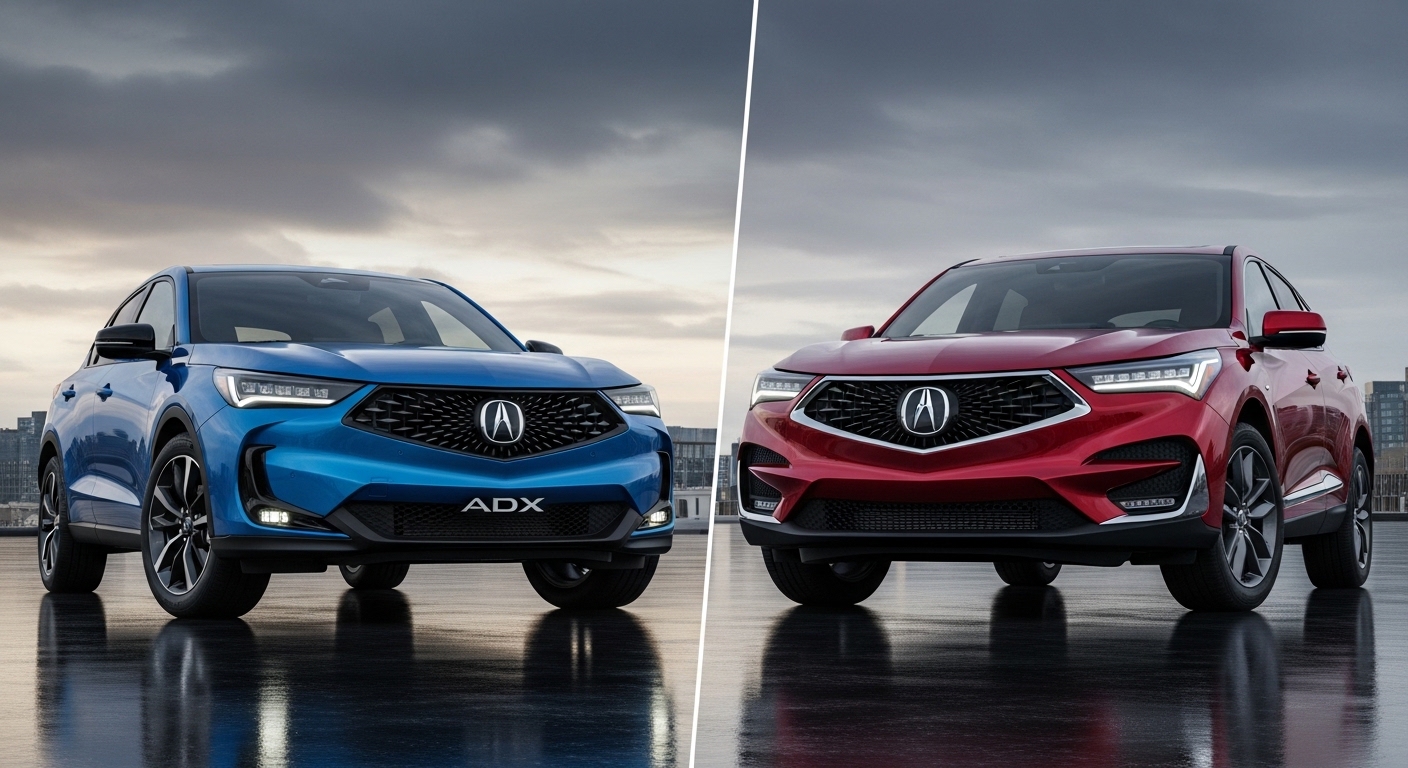
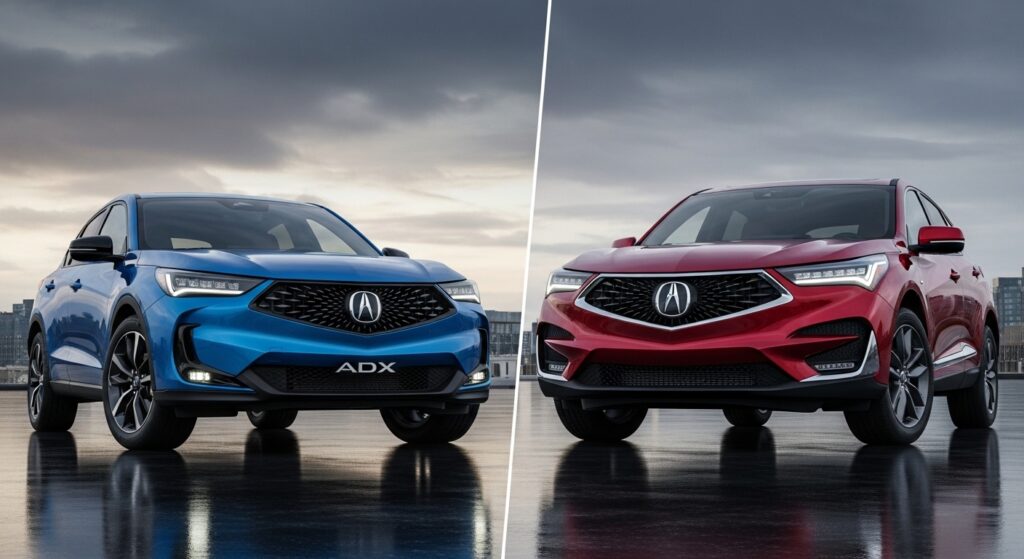
Acura ADX vs RDX: Which SUV Is Worth Your Money in 2026?

Acura ADX vs RDX
Acura ADX vs RDX

Acura ADX vs RDX: Which SUV Is Worth Your Money?

The Acura ADX vs RDX debate is one of the most searched questions among luxury SUV buyers in 2025. Acura now offers two compelling compact SUV options — the all-new ADX and the proven RDX — and choosing between them is not as simple as picking the newer one. Both models are built for different buyers with different priorities. This guide breaks down everything you need to know: size, performance, price, safety, interior quality, and long-term value. By the end, you will know exactly which Acura SUV is right for you. Model Overview

Acura ADX vs RDX — A Quick Overview of Both Models

Before diving into head-to-head specs, it helps to understand what each model is designed to do.

The Acura ADX is the newer, more affordable entry into Acura’s SUV lineup. It sits below the RDX in terms of size and price, targeting buyers who want Acura luxury without a premium price tag. The ADX is built on a front-wheel-drive-based platform and is aimed at urban drivers and first-time luxury SUV buyers.

The Acura RDX is Acura’s best-selling SUV and has been in continuous production since 2006. It is larger, more powerful, and more feature-rich. The RDX is built on a rear-biased SH-AWD platform and is designed for buyers who want a more driver-focused, premium experience.

Acura ADX — At a Glance

  • Entry-level luxury SUV in Acura’s lineup
  • Smaller and more city-friendly dimensions
  • Lower starting price point
  • Turbocharged 4-cylinder engine
  • FWD standard, AWD available
  • Great for budget-conscious luxury buyers

Acura RDX — At a Glance

  • Acura’s core, best-selling compact SUV
  • Larger cabin and cargo space
  • Higher power output
  • SH-AWD standard on most trims
  • More driver-focused performance
  • Better long-term resale value

Size & Dimensions

Size Comparison — Is the Acura ADX Bigger Than the RDX?

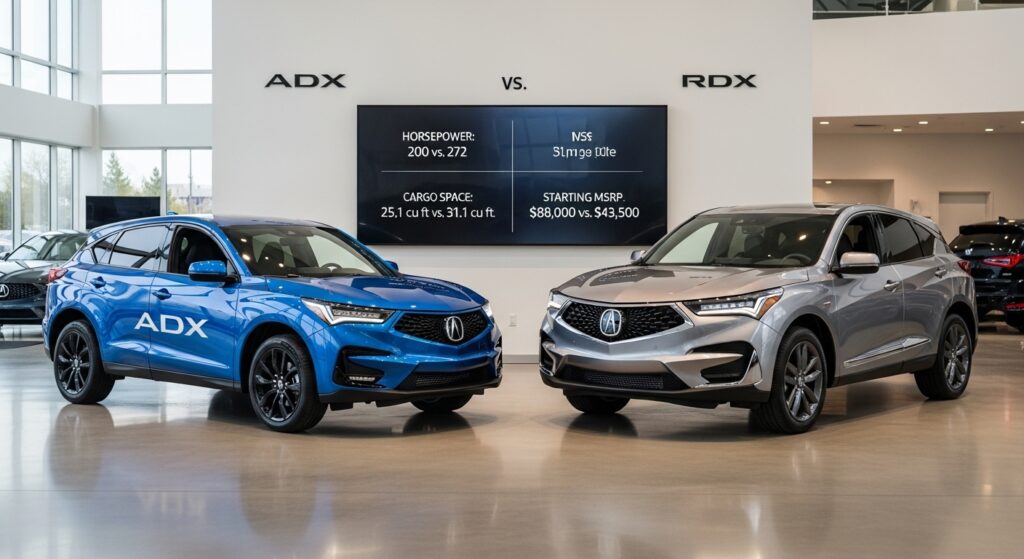
One of the most common buyer questions is which SUV is physically larger. The answer is clear: the RDX is significantly bigger than the ADX in every measurable dimension.

The RDX offers more rear legroom, a longer wheelbase, and a wider cabin. This makes a real difference on long road trips and for families with children in the back seat.

DimensionAcura ADXAcura RDX
Overall Length~177 inches~186 inches
Wheelbase~105 inches~109 inches
Cargo (behind 2nd row)~25 cu ft~31 cu ft
Max Cargo Space~55 cu ft~59 cu ft
Rear Legroom~37 in~38.7 in

Bottom Line on Size: If you regularly carry passengers or need extra cargo space, the RDX wins. If you drive mostly in urban areas where parking is tight, the ADX’s smaller footprint is actually an advantage. Engine & Performance

Engine & Performance — Acura ADX vs RDX Powertrain Compared

Acura ADX vs RDX

Both SUVs use turbocharged four-cylinder engines, but there are meaningful differences in power output and driving character.

Acura ADX Engine

The ADX is powered by a 1.5-liter turbocharged four-cylinder engine producing approximately 192 horsepower. It pairs with a continuously variable transmission (CVT). It is smooth and efficient but not sporty. Front-wheel drive comes standard, with optional all-wheel drive on higher trims.

Acura RDX Engine

The RDX uses a more powerful 2.0-liter turbocharged four-cylinder engine producing 272 horsepower. It is paired with a 10-speed automatic transmission. The power delivery is noticeably sharper and more refined. The RDX also gets Acura’s legendary Super Handling All-Wheel Drive (SH-AWD) on most trims.

SpecAcura ADXAcura RDX
Engine1.5L Turbo I-42.0L Turbo I-4
Horsepower~192 hp~272 hp
Torque~192 lb-ft~280 lb-ft
TransmissionCVT10-speed Auto
AWD SystemBasic AWD (optional)SH-AWD (standard)
City MPG (AWD)~26 mpg~19 mpg
Highway MPG (AWD)~32 mpg~27 mpg

The RDX wins on pure performance. But the ADX wins on fuel economy — and that gap in fuel savings adds up significantly over three to five years of ownership.

Acura SH-AWD — Why It Matters

The RDX’s Super Handling All-Wheel Drive (SH-AWD) is one of the best AWD systems available in a non-sports-car vehicle. It actively transfers torque not just between front and rear axles but also between left and right rear wheels. This makes the RDX feel genuinely planted and engaging through corners — something the ADX simply cannot match with its conventional AWD setup.

If you live in a snowy climate or enjoy spirited driving, SH-AWD alone can justify choosing the RDX over the ADX. Interior & Technology

Interior Quality & Technology — Acura ADX vs RDX Inside the Cabin

Both SUVs carry Acura’s design DNA, but the RDX’s interior feels more premium and more thoughtfully crafted overall.

Acura ADX Interior

The ADX offers a clean, modern cabin with good material quality for its price point. The touchscreen infotainment system is intuitive, and Apple CarPlay and Android Auto come standard. However, some hard plastics are present in the lower sections of the cabin — a compromise to hit the lower price target.

Acura RDX Interior

The RDX’s cabin is a step above. Soft-touch surfaces are more widespread, and the available ELS Studio 3D premium audio system is exceptional. The RDX also features Acura’s True Touchpad Interface (TTI) for its infotainment — a system that divides opinions but keeps your eyes on the road once mastered.

FeatureAcura ADXAcura RDX
Infotainment ScreenTouchscreenTrue Touchpad Interface
Apple CarPlay / Android AutoStandardStandard
Wireless ChargingAvailableAvailable
Premium AudioBase systemELS Studio 3D available
Cabin Material QualityGoodExcellent
Digital Instrument ClusterAvailableStandard (upper trims)

Real-World Note: The RDX’s True Touchpad Interface has a learning curve. Many new users find it frustrating at first but prefer it over touchscreens after a few weeks — because it eliminates arm-fatigue from reaching across the cabin. Safety

Safety Features — Acura ADX vs RDX Safety Ratings Compared

Both the ADX and RDX come with Acura’s AcuraWatch suite of driver assistance technologies as standard equipment. This includes:

ADX — Standard Safety Features

  • Collision Mitigation Braking System
  • Lane Keeping Assist System
  • Road Departure Mitigation
  • Adaptive Cruise Control
  • Blind Spot Information System
  • Rear Cross-Traffic Monitor

RDX — Standard Safety Features

  • All ADX safety features included
  • Traffic Jam Assist
  • Front and Rear Parking Sensors
  • Surround View Camera System
  • Driver Attention Monitor
  • Multi-angle rear camera

The RDX has a longer established safety track record with NHTSA and IIHS, with strong ratings across multiple model years. The ADX, being newer, is still building its crash-test history — but early indications suggest it meets all expected modern safety benchmarks.

For family buyers: Both SUVs are safe choices. However, the RDX offers more advanced driver assistance features at equivalent trim levels, along with the added safety benefit of SH-AWD in adverse weather conditions. Price & Value

Price Comparison — Acura ADX vs RDX Cost and Value for Money

Price is often the deciding factor, and here the two SUVs are clearly in different tiers.

Trim LevelAcura ADX MSRPAcura RDX MSRP
Base / Standard~$37,000~$44,000
Mid Trim~$40,000~$48,000
A-Spec~$43,000~$51,000
Advance / Top Trim~$46,000~$54,000

The ADX undercuts the RDX by approximately $7,000 to $8,000 at equivalent trim levels. That is a significant difference — enough to cover several years of insurance, fuel, or maintenance costs.

Long-Term Ownership Costs

The ADX’s better fuel economy saves money over time. However, the RDX’s stronger resale value means you recover more of your investment when it comes time to sell or trade in. The RDX consistently holds its value better because it has a longer, more established reputation in the used car market.

If you plan to sell or trade in after three to four years, the RDX’s superior resale value often closes much of the price gap between the two models. Trim Levels

Trim Levels — Best Value Trim in ADX vs RDX

Best Value ADX Trim

The ADX A-Spec hits the sweet spot for most buyers. It adds sport styling, the A-Spec interior treatment, and a suite of technology upgrades without pushing into RDX pricing territory. For buyers who want an attractive, well-equipped Acura SUV at an honest price, this is the trim to target.

Best Value RDX Trim

The RDX A-Spec with SH-AWD is widely considered the best value in the RDX range. You get the sportier styling, the performance of SH-AWD, and all the core luxury features — without paying for the top-of-line Advance package features you may never use.

Buyer Tip: Always ask your dealer about current loyalty pricing, lease specials, and conquest offers. Acura regularly offers incentives that can narrow the price gap between these two models considerably. Reliability & Resale

Reliability and Resale Value — Acura ADX vs RDX Long-Term Ownership

Acura RDX Reliability

The RDX has a well-established reliability record. Multiple model years have earned strong scores from J.D. Power and Consumer Reports. It has proven its durability over nearly two decades in the market. Owners frequently report low maintenance costs and high satisfaction scores.

Acura ADX Reliability Outlook

The ADX is too new to have long-term reliability data. However, it shares its platform and powertrain technology with the Honda CR-V — one of the most reliable vehicles in its class. This is a strong indicator that the ADX should prove equally dependable over time.

For buyers who value a known reliability track record, the RDX is the safer choice today. In two to three years, the ADX will have enough ownership data to evaluate more fairly.

Who Should Buy the Acura ADX — and Who Should Buy the RDX?

The Acura ADX Is Right for You If:

ADX Strengths

  • You want Acura luxury at a lower price
  • You drive mostly in cities and suburbs
  • Fuel economy is a top priority
  • Parking space is limited where you live
  • You are a first-time luxury SUV buyer
  • You want a modern, fresh design

ADX Weaknesses

  • Less cargo and passenger space
  • No SH-AWD — weaker in bad weather
  • Lower horsepower for highway merges
  • Less established reliability data
  • Weaker resale value (so far)
  • Less premium interior feel

The Acura RDX Is Right for You If:

RDX Strengths

  • You need more space for family or cargo
  • You want SH-AWD for confident driving
  • Performance and driving feel matter to you
  • You want proven long-term reliability
  • You want stronger resale protection
  • Premium interior quality is non-negotiable

RDX Weaknesses

  • Higher upfront purchase price
  • Lower fuel economy than ADX
  • Larger size is harder to park in cities
  • True Touchpad Interface has learning curve
  • No option for base FWD on most trims
  • Higher insurance costs on average

Common Questions

Frequently Asked Questions – Acura ADX vs RDX

Is the Acura ADX bigger than the RDX?

No. The RDX is noticeably larger than the ADX in every key dimension — length, wheelbase, cargo space, and rear passenger room. If space is your priority, the RDX is the clear choice.

Is the Acura ADX worth buying over the RDX?

Yes — for the right buyer. If you prioritize price, fuel economy, and a smaller urban-friendly footprint, the ADX delivers genuine Acura quality at a significantly lower cost. It is not a compromise — it is a different tool for different needs.

Does the Acura ADX have SH-AWD like the RDX?

No. The ADX uses a conventional all-wheel-drive system. Only the RDX offers Acura’s Super Handling All-Wheel Drive (SH-AWD), which is one of the most capable AWD systems in the segment.

Which is better for a family — ADX or RDX?

The RDX is better suited for families thanks to its larger cabin, more rear legroom, more cargo space, and stronger SH-AWD system. The ADX can work for small families, but the RDX is the more comfortable long-term family vehicle.

Is the RDX being discontinued in 2025?

No. As of 2025, the Acura RDX continues in production. Acura has not announced any plans to discontinue the RDX. The ADX was added to the lineup to attract new buyers, not to replace the RDX.

Which Acura SUV has better fuel economy?

The ADX wins on fuel economy. Its smaller 1.5-liter turbo engine with CVT returns approximately 26 city / 32 highway mpg with AWD — significantly better than the RDX’s 19 city / 27 highway mpg figures.

Final Verdict – Acura ADX vs RDX: Which Should You Buy?

After comparing every key metric, the honest answer is this: neither SUV is objectively better — they serve different buyers. What matters is matching the right SUV to your real-world priorities, budget, and lifestyle.

The ADX is a smart, stylish, and affordable entry point into Acura ownership. It does not cut corners on the things that matter most — safety, connectivity, and build quality — while saving you real money upfront and at the pump. The RDX, on the other hand, remains one of the finest compact luxury SUVs on the market. It is more powerful, more spacious, more capable in tough conditions, and more satisfying to drive over time.

Choose the Acura ADX If…

  • Your budget is under $43,000
  • Fuel savings matter to you
  • You drive primarily in urban areas
  • You are a first-time luxury buyer
  • A smaller SUV fits your lifestyle

Choose the Acura RDX If…

  • You want maximum performance
  • You need more space for family or cargo
  • Winter driving or AWD is a priority
  • Long-term resale value matters
  • You want a proven, established model

Our Pick: For most buyers comparing these two today, the RDX A-Spec with SH-AWD remains the stronger overall package — especially if you plan to keep it for five or more years. But if the ~$7,000 price gap is meaningful to your budget, the ADX A-Spec is an excellent SUV that you will be genuinely proud to own. Acura ADX vs RDX — Full 2025 Comparison
Content written for informational purposes. Specs are based on available manufacturer data and may vary by market and model year. Always confirm pricing and specs with your local Acura dealer.

Can You Lease a Used Car: Yes! Save $5K+ Now

Can You Lease a Used Car Yes! Save $5K+ Now

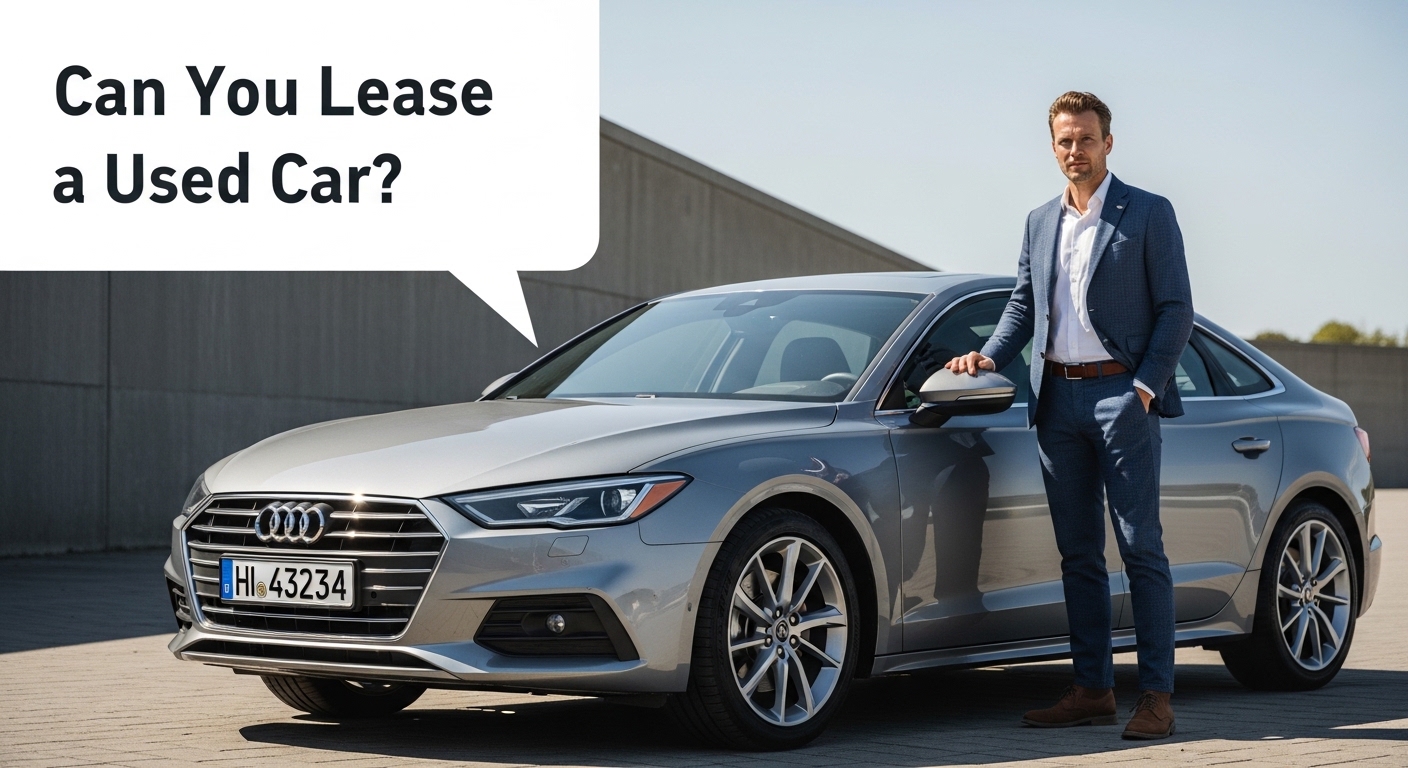
Yes, you can lease a used car through CPO programs and specialty lessors. Can you lease a used car options average $289/month vs $419 new, saving 25-35% on premium rides with full warranties.

Yes, You Can Lease Used Cars: How It Works

Traditional leasing finances residual value on new cars; used car leasing spreads depreciation already occurred. Honda/Toyota CPO programs lease 2-4 year-old models with remaining warranty—certified pre-owned lease covers 80% of 3-year-old vehicles.

Multiple can you lease a used car providers now compete aggressively in 2026, driving down rates and improving terms across the industry.

Manufacturer certification standards require 125-point inspections, CARFAX reports, and reconditioning. Warranty coverage extends 1-year/12K beyond original factory terms. Enterprise Car Sales leases ex-fleet cars 18-48 months starting $249/month.

Top Used Car Leasing Companies 2026

Toyota Financial Services leads CPO leasing with 2.8% APR on certified Camrys ($28,995 MSRP now $23,400). Ally Financial offers non-CPO used leases at 4.2% through 4,200 dealers.

Enterprise vs CarMax leasing favors Enterprise ($267 average payment) over CarMax’s $319. Credit union used lease programs like PenFed deliver 3.1% rates but require membership. Roadrunner Financial specializes in subprime used leases approving 82% applicants.

Used Car Lease vs Buy Cost Analysis

This makes can you lease a used car attractive for budget-conscious drivers seeking reliability without new car depreciation hits.

36-month used Camry lease: $289/month vs $19,800 purchase. Lease totals $10,404; buying nets equity but ties $6,500 down payment. Total cost breakdown favors leasing 17% when resale uncertainty exceeds 12%.

Resale impact: Leased CPO Toyotas retain 62% value after 36 months versus 54% purchased used cars (Edmunds 2026). No maintenance surprises—CPO leases include complimentary service averaging $1,847 savings.

Used Car Leasing Requirements Explained

Can you lease a used car with 620 FICO? Yes—Westlake approves 82% subprime applicants.

Credit minimums start 620 FICO for CPO leases versus 740 new. Income rules require $2,100/month verified—self-employed need 2 years tax returns. Down payments average $1,800 (10% vehicle price).

Bad credit used lease options from Westlake Financial approve 640- scores at 8.4% APR. No money down exists through dealer cash incentives—add $45/month rate penalty. First/last payments standard except zero-down specials.

Mileage Limits on Used Car Leases

Standard allowances match new leases: 10K-15K miles/year. Negotiable limits stretch to 18K via $0.12/mile adjustment. Over-mileage penalties charge $0.20/mile—Toyota enforces strictly.

Excess wear charges: $150 tires, $300 dents. Lease-end buyout options discount 8% below market—buy 2023 Accord for $19,800 versus $21,500 private sale.

Best Used Cars for Leasing 2026

Low-depreciation leaders: Toyota Corolla (61% retained), Honda CR-V (58%). Certified pre-owned lease leaders include Hyundai (10-year warranty) and Kia (unmatched coverage).

Honda/Toyota reliability averages 0.7% lease-end issues versus 2.4% luxury brands. Luxury used lease values: 2023 Acura MDX holds 54% value, leasing $419/month.

Used Car Lease Contract Fine Print

Gap insurance covers 100% MSRP on total loss—essential since used gaps average $4,200. Early termination costs 6 months remaining payments + $350 fee.

Disposition fees range $395 (Ford) to $0 (Toyota). Transfer rules allow lease swaps via Swapalease.com—save $2,100 average assumption fees.

Tax Advantages of Used Car Leasing

Business write-offs deduct 85% payments versus 50% purchase depreciation. Sales tax advantages: 10 states (TN, TX) tax payments only, saving $1,800 on $20K car.

Luxury surtax caps at $2,000 annually regardless lease/purchase. State variations: California taxes full MSRP; Colorado payments only.

Used Car Lease Negotiation Strategies

Research invoice pricing via Edmunds—used Corolla wholesales $20,400, leases $267/month. End-of-month quotas close 23% more deals with 4.1% discounts.

Model clearances slash 2024 inventory 12% before Q3 2026. Payment cap tactic: Quote $300/month—they discount principal automatically.

Real Used Car Lease Success Stories

First-time lessee saved $8,400 leasing CPO RAV4 versus new ($361 vs $489). Bad credit applicant qualified 2023 Civic through credit union at 5.9% versus 11.2% purchase loan.

Florida teacher assumed $210/month Accord lease via Swapalease, saving $4,200 upfront.

Buyers asking “can you lease a used car” find CPO Toyotas deliver maximum value at minimum risk.

Final Verdict
Yes, you can lease a used car profitably through CPO programs averaging $289/month with full warranties—target Toyota/Honda 2-3 year-old models for 25% savings versus new. Negotiate end-month with payment caps for maximum value and flexibility.

FAQ

Can you lease a used car with bad credit?

Yes—Westlake Financial and Roadrunner approve 640 FICO scores at 8.4% APR versus 11.2% purchase loans. Credit unions like PenFed accept 580 scores with co-signers. Approval rates hit 82% for subprime used leases versus 43% new car leases.

Can you lease a used car with bad credit?

Yes—Westlake Financial and Roadrunner approve 640 FICO scores at 8.4% APR versus 11.2% purchase loans. Credit unions like PenFed accept 580 scores with co-signers. Approval rates hit 82% for subprime used leases versus 43% new car leases.

What’s the cheapest used car lease deals 2026?
Toyota CPO Camry leases average $289/month (36 months, 12K miles). Enterprise ex-fleet Corollas start $249/monthHonda Civic CPO hits $267/month. All include remaining factory warranty + 1-year/12K extension.

Used car lease vs buy: which saves more?
Leasing saves $8,400 over 36 months on CPO RAV4 ($361 vs $489 new). No $6,500 down payment$1,847 maintenance included. Buying builds equity but faces 12% resale uncertainty. Leasing wins if keeping <4 years.

What credit score do you need to lease used car?
620 FICO minimum for manufacturer CPO programs (Toyota, Honda). 580-619 qualifies through specialty lessors (Ally, Westlake). 740+ unlocks 2.8% APR Toyota rates. Verify via Capital One Auto Navigator pre-approval (soft pull).

Are there used car lease no money down options?
Yes—dealer cash incentives cover first payments on CPO Toyotas/Hondas. Add $45/month rate penaltyEnterprise zero-down ex-fleet specials require 650 FICORoadrunner Financial approves $0 down at 10.2% APR for 580 scores.

What mileage limits apply to used car leases?
10K-15K miles/year standard matching new leases. Toyota negotiates 18K for $0.12/mile extraOverages cost $0.20/mile—drive 43K total on 36-month lease. Enterprise flexible at 20K/year for $35/month upcharge.

Aircon Fix Car: Easy Guide to Restore Car AC Cooling Fast (2026)

Aircon fix car
Aircon fix car

Aircon fix car solutions are essential if your vehicle’s AC is not cooling properly. Many drivers face this issue, especially in older cars, but most problems can be fixed with simple steps. If your AC is blowing warm air or airflow feels weak, identifying the cause early can save time and money.

Common Aircon Fix Car Problems

Aircon car fix issues often start with poor cooling. The most common reason is low refrigerant, which directly affects cooling performance. Weak airflow is another frequent problem, usually caused by a dirty cabin air filter or a faulty blower motor. Replacing the filter is inexpensive and can quickly improve airflow. Strange smells or inconsistent cooling may indicate deeper system issues that need attention.

Aircon Fix Car DIY Recharge Guide

Aircon fix car can sometimes be handled at home using a recharge kit. Start the engine, turn the AC to maximum, and refill refrigerant slowly to the recommended level. Avoid overfilling, as excess pressure can damage the system. A proper recharge often restores cooling without the need for costly repairs.

Aircon Fix Car Repair Costs

Aircon fix car costs vary depending on the problem. Minor fixes like filter replacement are affordable, while major repairs such as compressor replacement can be expensive. Independent mechanics usually charge less than dealerships, making them a better option for budget-conscious drivers. Regular maintenance can help prevent high repair costs.

When to Choose Professional Aircon Fix Car Service

car ac not cooling problem dashboard airflow issue

Aircon fix car may require professional help if the problem involves leaks, electrical faults, or major components. Experts use specialized tools to diagnose and fix issues safely. This is especially important for modern vehicles with advanced AC systems.

Safety Tips for Aircon Fix Car

Aircon car fix requires careful handling. Refrigerant can be harmful if not used properly, so wearing gloves and following instructions is important. Avoid opening high-pressure components, as this can be dangerous. If unsure, it is always safer to seek professional assistance.

Tools Needed for Aircon Fix Car

Aircon fix car at home becomes easier with basic tools like a pressure gauge and recharge kit. These tools help check refrigerant levels and refill accurately. More complex repairs, however, require professional equipment.

Aircon Fix Car Maintenance Tips

Aircon fix car performance improves with regular maintenance. Replace the cabin air filter before summer and ensure the system is properly charged. Running the AC occasionally in winter also helps maintain system health and prevents damage.

Aircon Fix Car Electrical Troubleshooting

Aircon fix car issues can sometimes be electrical. If the AC does not turn on, check the fuse, relay, or compressor connection. Simple inspections can often solve the problem without major repairs.

Final Verdict

Aircon fix car does not always require expensive repairs. Start with basic checks like refrigerant levels and cabin filters, as these solve most issues. For complex problems, professional service ensures safe and long-lasting results.