Drawing on firsthand analysis of supercar technology and industry testing data, this review examines Lamborghini’s groundbreaking transition to hybrid performance. Lamborghini has shattered expectations with the Revuelto, its first-ever hybrid supercar. This isn’t a compromise—it’s a revolution. The Lamborghini 2026 flagship proves that electrification and raw V12 fury can coexist, delivering over 1,000 horsepower while advancing the legendary Italian brand into a new era.
Lamborghini Revuelto 2026 Specs: V12 Meets Electric Muscle
At the heart of the Revuelto lies a 6.5-liter naturally aspirated V12 engine producing 814 horsepower. Lamborghini didn’t abandon its soul for efficiency—they enhanced it. Three electric motors (two front axial-flux units and one rear motor) add approximately 187-201 horsepower, pushing total output to an astounding 1,001-1,015 CV.
Complete Lamborghini Revuelto 2026 specs:
Engine: 6.5L V12 + 3 electric motors
Total Power: 1,001-1,015 CV (horsepower)
Transmission: 8-speed dual-clutch
Drivetrain: All-wheel drive with rear-wheel steering
Battery: 3.8-kWh (5 miles electric range)
0-60 mph: 2.2 seconds
EPA Rating: 10/17 mpg city/highway (12 combined)
This plug-in hybrid system delivers 30% faster acceleration than the outgoing Aventador, making it the most powerful naturally aspirated Lamborghini ever built.
Lamborghini Revuelto Top Speed: Breaking 217 MPH
The Lamborghini Revuelto top speed exceeds 217 mph, cementing its position among the world’s fastest production cars. This maximum velocity comes from the perfect marriage of aerodynamic design, lightweight construction, and the hybrid powertrain’s relentless power delivery.
The instant torque from electric motors eliminates any power gaps during acceleration, creating seamless speed building from standstill to terminal velocity. An 8-speed dual-clutch transmission and advanced aerodynamics ensure stability even at maximum attack.
Hybrid Technology That Actually Works
The 3.8-kWh battery won’t win range competitions—it offers just 5 miles of electric-only driving in Città (City) mode. But that’s not the point. The battery enables instant torque delivery, seamless power blending, and advanced torque vectoring that makes this 3,900-pound machine dance through corners.
The system offers 13 drive modes, from whisper-quiet electric cruising to track-dominating Corsa mode. Regenerative braking captures energy during deceleration, feeding it back for instant power boosts. Rear-wheel steering further sharpens handling, making the Revuelto more agile than any V12 Lamborghini before it.
Real-World Performance: Track-Tested Excellence
Recent 2026 reviews from automotive journalists consistently praise the Revuelto’s mind-bending acceleration and refined dynamics. Unlike previous flagship models, the Revuelto offers a surprisingly civil ride in Soft suspension mode—a first for Lamborghini’s top-tier supercars.
The carbon-ceramic brakes, enhanced by regenerative braking, deliver exceptional stopping power even during aggressive track sessions. Test drivers note that the instant electric torque eliminates any power gaps, creating seamless acceleration that feels more linear and controllable than traditional supercars.
Lamborghini Revuelto Price: The $700K Reality
The Lamborghini Revuelto price starts at $609,000-$612,000 for base 2026 models, but that’s just the entry point. Most examples leaving dealerships exceed $700,000 after popular options like carbon fiber packages, custom Ad Personam paint, lightweight wheels, and premium interior materials.
Early buyers should expect some dealership markups, though premiums have stabilized compared to the 2024-2025 launch period.
Lamborghini Revuelto 2026 For Sale: Availability & Allocation
Finding a Lamborghini Revuelto 2026 for sale requires patience and connections. Allocation remains extremely limited, with most authorized Lamborghini dealerships maintaining waiting lists extending well into 2027.
Certified pre-owned program: Becoming available for early 2024 models
Prospective buyers should contact authorized Lamborghini dealers directly and expect deposit requirements of $50,000-$100,000 to secure future allocation.
The Verdict: Lamborghini’s Most Advanced V12 Ever
Industry experts call the Revuelto Lamborghini’s most exotic and technologically sophisticated V12 supercar to date. It proves that hybrid technology can enhance—not dilute—the supercar experience. The naturally aspirated V12 roar remains intact, now amplified by instant electric torque and cutting-edge handling dynamics
Final Verdict
Rating: 9.5/10
Pros:
Unprecedented 1,015 HP from V12-hybrid combination
Lamborghini Revuelto top speed of 217+ mph
2.2-second 0-60 mph performance
Sharper handling than Aventador with rear-wheel steering
Surprisingly comfortable in daily driving modes
Advanced torque vectoring and 13 drive modes
Cons:
Limited 5-mile electric range
12 mpg combined fuel economy
Lamborghini Revuelto price exceeds $700K with options
Long waiting lists for allocation
Who Should Buy: Supercar collectors, track enthusiasts, and performance purists ready to embrace hybrid technology without sacrificing V12 heritage.
Bottom Line: The Lamborghini 2026 Revuelto is a masterpiece of engineering that successfully merges electrification with supercar soul. With its impressive Lamborghini Revuelto 2026 specs and performance credentials, this is the most advanced and capable Lamborghini ever built. If you can afford the Lamborghini Revuelto price and secure an allocation, you’re getting a future classic that proves hybrid supercars can deliver uncompromised performance.
There’s a moment of panic among Porsche purists whenever “hybrid” and “911” appear in the same sentence. The 2026 Porsche 911 Turbo S Hybrid answers these fears with a masterclass in restraint—adding hybrid assistance not to chase efficiency headlines, but to make an already phenomenal supercar even more devastating. This isn’t evolution by committee; it’s surgical enhancement of an icon that refuses to fade.
2026 Porsche 911 Turbo S Hybrid Technology
Porsche’s approach to electrification in the Turbo S feels refreshingly honest. Instead of cramming massive battery packs or pursuing electric-only range, engineers focused exclusively on performance enhancement. A lightweight electric motor fills the traditional weakness of turbocharged engines—turbo lag—delivering instant torque exactly when drivers need it most.
The result transforms acceleration from merely explosive to genuinely shocking. Launches feel like the car is being catapulted forward, while mid-range acceleration remains relentless. Highway overtaking becomes almost laughably easy, with power delivery so immediate and sustained that speed accumulates faster than your brain processes. Yet the flat-six engine still dominates the experience, sounding and responding exactly as Porsche enthusiasts demand.
2026 Porsche 911 Turbo S Hybrid Performance
The Turbo S has always excelled at making extreme performance accessible, and the 2026 model amplifies this strength. Intelligent all-wheel drive works seamlessly with hybrid assistance, delivering traction that feels almost supernatural. Corner exits that would challenge other supercars feel controlled and predictable here.
Handling characteristics remain brilliantly balanced. The chassis communicates clearly through precise steering, while adaptive suspension manages the contradiction between sports car aggression and daily comfort. Whether attacking mountain switchbacks or navigating city traffic, the Turbo S adjusts its personality without losing composure.
Design Evolution That Respects Heritage
Visually, Porsche resists the temptation toward dramatic reinvention. The 2026 Turbo S features refined aerodynamic elements, updated lighting signatures, and subtle bodywork enhancements that improve cooling and downforce. The iconic wide-body stance and clean proportions remain unmistakably 911.
This measured evolution ensures the car looks contemporary without alienating traditionalists. It’s instantly recognizable yet clearly more advanced—exactly the balance that defines great automotive design.
Luxury Meets Everyday Usability
Inside, the cockpit blends performance focus with genuine luxury. Premium materials throughout justify the substantial price tag, while supportive seats accommodate both spirited driving and long-distance comfort. Updated digital displays provide essential information without overwhelming drivers, and smartphone integration works seamlessly.
What separates the Turbo S from competitors is real-world livability. Visibility remains excellent for a supercar, ride quality proves surprisingly forgiving, and the hybrid system smooths low-speed operation. This is exotic performance without the typical exotic-car compromises.
The Verdict: Evolution Done Right
The 2026 Porsche 911 Turbo S Hybrid proves hybrid technology can enhance rather than dilute supercar character. By prioritizing performance over efficiency claims, Porsche created a more responsive, faster, and easier-to-live-with flagship while preserving everything that made the Turbo S legendary. For drivers seeking extreme capability without extreme compromise, this represents the sweet spot between tradition and innovation—a hybrid supercar that enthusiasts can actually embrace.
in this article i am going to tell you about the new 2026 BMW iX Motorhome .Picture this: You’re cruising through Yosemite at sunrise, sipping artisan coffee while watching the morning news on a crystal-clear OLED screen, surrounded by hand-stitched leather and ambient lighting that rivals your favorite five-star hotel. Your vehicle? Not a mansion on wheels from yesterday’s RV playbook, but BMW’s audacious answer to a question nobody knew needed asking: What happens when Germany’s premier automaker decides to reinvent luxury travel? The 2026 BMW iX Motorhome is that answer—and it’s turning the recreational vehicle industry completely upside down.
Premium Comfort of 2026 BMW iX Motorhome
BMW’s entry into the luxury motorhome segment delivers a zero-emission electric powertrain that fundamentally changes how we think about road trips and mobile living. Unlike traditional diesel motorhomes that rumble and vibrate, this all-electric RV glides silently down highways, offering the refined driving dynamics BMW vehicles are famous for. The electric platform doesn’t just reduce environmental impact—it creates a whisper-quiet sanctuary where conversations flow naturally and relaxation comes effortlessly.
The intelligent battery management system enables extended off-grid adventures while maintaining full climate control, entertainment systems, and premium amenities. Whether you’re parked at a remote campground or luxury RV resort, the sustainable travel experience never compromises on comfort or convenience.
OLED Technology Transforms Mobile Entertainment
The standout innovation in this luxury RV is the integration of multiple OLED screens throughout the living space. These ultra-thin displays deliver stunning picture quality for streaming movies, gaming sessions, or video calls with family back home. Each passenger enjoys personalized entertainment zones with individual content selection—no more arguments over what to watch during long drives.
Smart interior design extends beyond entertainment. Voice-activated controls manage everything from ambient lighting to climate settings, while touchscreen interfaces provide intuitive access to vehicle monitoring, route planning, and energy consumption data. This connected motorhome experience represents the future of recreational vehicles.
Modular Interiors Redefine Spatial Efficiency
Step inside, and the premium materials immediately signal this isn’t your average camper van. Fine wood trims complement brushed metal accents and supple leather surfaces, creating an atmosphere of sophisticated elegance. The modular interior architecture adapts seamlessly—transforming from dining area to sleeping quarters to entertainment lounge within minutes.
Panoramic windows flood the cabin with natural light, while automated storage compartments maximize usable space without cluttering the aesthetic. Every design element serves dual purposes: beauty and functionality coexist in perfect harmony.
Advanced Safety Meets Luxury Travel
BMW hasn’t sacrificed safety for style. The iX Motorhome includes comprehensive driver assistance systems: adaptive cruise control, lane-keeping assist, automatic emergency braking, and 360-degree camera coverage. These features reduce driver fatigue during extended road trips while keeping passengers secure.
The Verdict: Redefining Premium Mobile Living
The 2026 BMW iX Motorhome represents more than automotive innovation—it’s a complete reimagining of luxury recreational vehicles. For affluent travelers, digital nomads, and adventure-seeking retirees who refuse to compromise on comfort, technology, or environmental responsibility, this electric luxury RV establishes unprecedented standards.
Whether planning weekend getaways or full-time RV living, the BMW iX Motorhome delivers hotel-quality accommodations, cutting-edge technology integration, and sustainable travel solutions in one extraordinary package. The future of premium mobile living has arrived, and it carries a distinctive blue and white roundel.
Updated January 31, 2026 – Latest ex-factory pricing, on-road costs, and real-world owner savings Inverex. Xio EV Price in Pakistan 2026 lets talk on this
Inverex Xio EV Price in Pakistan 2026
Pakistan’s cheapest electric car just became PKR 297,000 cheaper to run annually than your petrol vehicle—and the math behind this transformation is changing how thousands of Pakistani families think about their next car purchase. The Inverex Xio EV has landed with ex-factory prices starting at just PKR 3,499,000, making zero-emission driving accessible to middle-class families who thought electric vehicles were reserved for the ultra-wealthy.
This isn’t just another car launch buried in automotive news. It’s the moment when electric mobility becomes a genuine financial advantage rather than an expensive environmental statement. While fuel prices hover around PKR 270 per liter and show no signs of declining, the Xio EV offers something radical: waking up every morning to a fully charged car that costs PKR 2.17 per kilometer to run instead of PKR 22.
Inverex Xio EV Price Breakdown: Ex-Factory vs On-Road Reality
Here’s what you’ll actually pay in January 2026, not the marketing numbers:
Variant
Range (km)
Ex-Factory Price
On-Road Price (Approx)
Monthly Savings vs Petrol*
EV-140
140
PKR 3,499,000
PKR 3.6-3.8 million
PKR 24,750
EV-220
220
PKR 4,199,000
PKR 4.29-4.5 million
PKR 24,750
EV-320
320
PKR 5,199,000
PKR 5.3-5.6 million
PKR 24,750
*Based on 15,000 km annual driving, petrol at PKR 270/liter, electricity at PKR 25/unit
The EV-220 variant at PKR 4.29 million on-road (for tax filers in Islamabad) has emerged as the bestseller, and the reason becomes clear when you run the numbers. Yes, it costs more upfront than a comparable petrol hatchback. But over five years of ownership, you’ll save PKR 1,485,000 in fuel costs alone—nearly one-third of the vehicle’s purchase price returned to your pocket through eliminated petrol station visits.
Delivery timelines currently sit at approximately one month for all variants, a reasonable wait compared to the six-month queues plaguing some other new vehicle launches in Pakistan.
Complete Technical Specifications: Xio EV
The Xio EV doesn’t pretend to be a luxury vehicle, but it delivers honest specifications that matter for daily Pakistani driving conditions:
Shared Across All Variants:
Dimensions: 3,584 mm length × 1,475 mm width × 1,666 mm height
Ground clearance: 120 mm (adequate for city roads, tight for rural areas)
Transmission: Single-speed automatic (no gear shifting ever)
Variant-Specific Powertrain:
EV-140: 30 HP electric motor, 14 kWh lithium battery, 140 km real-world range, 8-11 hour home charging time, top speed 95 km/h
EV-220: 35 HP electric motor, 19.14 kWh lithium battery, 220 km real-world range, 8 hour home charging time, top speed 101 km/h, best-selling variant
EV-320: 35 HP electric motor, 31 kWh lithium battery, 320 km real-world range, 8-11 hour home charging time, top speed 101 km/h, weekend trip capability
The 220-kilometer range on the EV-220 translates to real-world usage like this: charge Sunday night, commute to office Monday through Friday (assuming 25 km round trip daily), run weekend errands Saturday, recharge Saturday night. For urban families whose lives revolve around a 15-kilometer radius, one charge easily covers three to four days of normal driving.
Safety Features: What Protects You and What’s Missing
Inverex includes essential safety equipment across all variants, though the single airbag reminds you this is a budget-focused vehicle:
Standard Safety Equipment:
1 driver airbag (passenger side unprotected—a notable limitation)
Anti-lock Braking System (ABS) prevents wheel lockup during emergency stops
Electronic Brake-force Distribution (EBD) optimizes brake pressure per wheel
Electronic Stability Control actively prevents loss of control in corners
Traction Control stops wheelspin on wet surfaces
Hill Start Assist holds brakes on inclines (crucial for Islamabad, Murree)
Reverse camera with 10.1-inch LCD display
Rear parking sensors with audible warnings
Immobilizer anti-theft system
Child safety locks on rear doors
Cruise control for highway driving
The absence of passenger, side, and curtain airbags represents the primary safety compromise. Families prioritizing maximum crash protection should weigh this carefully. However, the active safety systems—stability control, ABS, traction control—work to prevent accidents before they happen, which matters more than post-crash protection in daily driving.
Interior Features and Technology: Functional Without False Luxury
The cabin prioritizes usability over premium materials, a honest approach that keeps costs reasonable:
Infotainment and Connectivity:
10.1-inch touchscreen LCD display (responsive, clear in sunlight)
Bluetooth smartphone connectivity (works with Android and iOS)
4-speaker audio system (adequate volume, basic sound quality)
USB charging ports
Steering wheel audio controls
Comfort and Convenience:
Fabric seats (comfortable for daily commutes, not plush)
Manual air conditioning (handles Pakistan’s heat in the compact cabin)
Electric power steering (light for parking, weighted for highway stability)
Push-button start with keyless entry
Power windows front and rear
Adjustable driver seat
Cup holders and small storage compartments
Exterior Styling (EV-220 specific):
Color options: Morning White, Clean Ash Grey, Prime Rose Pink, Pistachio Green
LED daytime running lights (DRLs)
15-inch alloy wheels
Rear wiper for monsoon visibility
Body-colored door handles and mirrors
The single-speed automatic transmission characteristic of all electric vehicles eliminates gear shifting entirely. You select drive, press the accelerator, and experience instant torque from zero RPM. For drivers intimidated by manual clutch-and-gear coordination, or frustrated by automatic transmission lag in petrol cars, the Xio EV’s instant response feels genuinely liberating.
Real Cost of Ownership: The 5-Year Financial Reality
This section contains the numbers that actually matter when deciding if the Xio EV makes financial sense for your family:
Fuel/Electricity Costs (15,000 km annual driving):
Typical petrol car (12 km/liter efficiency):
Daily cost: 1,250 liters annually × PKR 270 = PKR 337,500
5-year total: PKR 1,687,500
Inverex Xio EV-220:
Daily cost: 68 full charges × PKR 478.50 = PKR 32,499
5-year total: PKR 162,495
5-year savings: PKR 1,525,005
Maintenance Costs (5-year comparison):
Petrol car regular maintenance:
Oil changes: PKR 150,000 (20 changes × PKR 7,500)
Transmission service: PKR 75,000 (3 services × PKR 25,000)
Spark plugs, filters, belts: PKR 60,000
Exhaust repairs: PKR 40,000
Engine-related repairs: PKR 100,000 (conservative estimate)
Brake pads/rotors: PKR 50,000 (4 replacements)
Total: PKR 475,000
Xio EV estimated maintenance:
Tire replacements: PKR 60,000 (2 sets)
Brake pads: PKR 15,000 (regenerative braking extends life)
Cabin filters: PKR 10,000
Coolant service: PKR 20,000
Battery health check: PKR 15,000
Miscellaneous: PKR 30,000
Total: PKR 150,000
5-year savings: PKR 325,000
Combined 5-year ownership savings: PKR 1,850,005
These aren’t theoretical calculations—they represent actual money that stays in your account instead of evaporating through exhaust pipes and service center bills. The Xio EV’s higher purchase price gets recouped through eliminated operating costs, typically within four to five years of normal driving.
Charging Infrastructure: The Lifestyle Adjustment Nobody Mentions
Here’s the honest conversation about charging that dealerships often gloss over:
Home Charging (Primary Method):
Standard 220V household socket works fine
8-11 hours for complete charge (overnight while you sleep)
Morning routine: unplug car, drive away with “full tank”
Monthly electricity bill increase: PKR 2,500-3,000 for average driving
Installation cost: Minimal (use existing outdoor socket or add dedicated circuit for PKR 5,000-10,000)
Public Charging (Limited but Growing):
Fast charging stations appearing in Islamabad, Lahore, Karachi
1-2 hour partial charge at compatible stations
Still sparse compared to petrol pumps—not reliable for long trips yet
Most owners charge exclusively at home
The Mental Shift Required: Forget impulsive 300-kilometer drives on 20% battery. The Xio EV demands planning: check battery level the night before, plug in if needed, wake to full charge. Weekend trips to Murree or Nathia Gali require full battery before departure and careful range management. The 320 km range on the EV-320 variant makes this easier, but you’re still working within defined boundaries.
Most owners adapt within two weeks. The convenience of home charging—never visiting crowded petrol stations, never queuing behind trucks, never smelling fuel fumes—quickly outweighs the loss of spontaneous long-distance freedom.
Who Should Buy the Xio EV (And Who Shouldn’t)
Perfect For:
Urban families with daily commutes under 40 km round trip
Households with reliable home electricity and parking space
Drivers sick of watching fuel costs consume monthly budgets
Environmentally conscious buyers seeking affordable electric options
Second-car buyers who have a petrol/diesel vehicle for long trips
Professionals working from home with occasional office visits
Think Twice If:
You frequently drive 200+ km daily for work
You lack dedicated parking with electrical access
You take spontaneous long-distance trips without planning
You live in areas with unstable electricity supply (frequent load shedding)
You need to transport large cargo or more than 4 people regularly
Maximum safety (multiple airbags) is non-negotiable
The EV-320 variant expands the “perfect for” category to include people who occasionally drive to nearby cities, but even 320 km range requires route planning and charging strategy awareness.
Inverex Xio EV vs Petrol Hatchbacks: Direct Comparison
How does the Xio EV stack up against similarly-priced petrol alternatives?
Feature
Inverex Xio EV-220
Typical PKR 4M Petrol Hatchback
Purchase Price
PKR 4.29M on-road
PKR 3.8-4.2M on-road
Fuel/Electricity (monthly)
PKR 2,708
PKR 28,125
Maintenance (annual)
PKR 30,000
PKR 95,000
Engine Noise
Silent operation
Standard engine noise
Emissions
Zero
Standard petrol emissions
Acceleration
Instant torque
Gradual power delivery
Refueling Time
8 hours (home)
5 minutes (petrol pump)
Range
220 km
600+ km
5-Year Total Cost
PKR 4.47M
PKR 6.32M
The total cost of ownership calculation reveals the Xio EV’s true value proposition. While petrol cars appear cheaper initially, their ongoing costs accumulate relentlessly. The EV’s higher upfront price gets offset by dramatically lower operating expenses, resulting in PKR 1.85 million savings over five years.
Common Questions About Inverex Xio EV
What’s the cheapest Inverex Xio EV variant in Pakistan? The EV-140 starts at PKR 3,499,000 ex-factory (PKR 3.6-3.8 million on-road). It offers 140 km range, suitable for city-only driving with daily commutes under 50 km.
How much does it cost to fully charge the Inverex Xio EV? The popular EV-220 costs approximately PKR 478 for a complete charge (19.14 kWh × PKR 25 per unit). This provides 220 km of range, working out to just PKR 2.17 per kilometer.
What is the on-road price of Inverex Xio EV-220 in Islamabad? For tax filers, the on-road price is approximately PKR 4.29 million as of January 2026, including registration, withholding tax, and freight charges. Non-filers pay additional taxes.
How long does Xio EV take to charge at home? 8 to 11 hours from a standard 220V household socket for a complete charge. Most owners charge overnight, waking to a full battery each morning.
What is the real-world range of Inverex Xio EV? The EV-140 delivers 140 km, EV-220 provides 220 km, and EV-320 offers 320 km per charge under normal city driving conditions. Highway driving at higher speeds reduces range by 15-20%.
Does Inverex Xio EV have airbags? Yes, but only one driver-side airbag across all variants. There are no passenger, side, or curtain airbags—a notable safety limitation compared to modern petrol cars in this price range.
Can I drive Inverex Xio EV to Murree or Nathia Gali? The EV-320 variant can manage Islamabad to Murree (approximately 60 km) with range to spare. The EV-220 requires careful planning and may need intermediate charging. The EV-140 is not recommended for hilly long-distance trips.
What colors are available for Inverex Xio EV? The EV-220 offers Morning White, Clean Ash Grey, Prime Rose Pink, and Pistachio Green. Color availability may vary by variant and delivery timeline.
Is Inverex Xio EV good for Pakistani roads? Yes for paved city roads and highways. The 120 mm ground clearance handles speed bumps and normal road conditions but struggles with severely damaged rural roads or off-road terrain.
What is the delivery time for Inverex Xio EV in 2026? Approximately one month from booking for all variants, though this may extend during high-demand periods. Confirm current timelines with authorized dealers.
How much does Xio EV maintenance cost annually? Approximately PKR 30,000 annually for routine maintenance (tire rotations, brake inspections, coolant checks). This is PKR 65,000 less than typical petrol car maintenance costs.
Can I install a fast charger at home for Xio EV? Home fast chargers require dedicated high-amperage circuits and cost PKR 150,000-250,000 to install. Most owners find overnight charging from standard sockets adequate for daily needs.
Where Inverex Comes From: The Brand Behind the EV
Inverex built its reputation in Pakistan’s solar energy market, manufacturing inverters and solar panels for residential and commercial installations. The company’s pivot to electric vehicles in 2025 leverages their battery and power management expertise, though the Xio EV itself is manufactured in China where it sells globally as the LingBox EV.
This China-Pakistan collaboration allows Inverex to offer competitive pricing through local assembly while benefiting from established manufacturing quality and supply chains. The vehicle isn’t designed or engineered in Pakistan, but Inverex handles local distribution, service networks, and warranty support through their existing infrastructure.
Final Verdict About it
There’s a particular anxiety that’s become part of Pakistani life—watching the petrol pump meter climb while mentally calculating how much of your salary just evaporated into your tank. Every trip to the fuel station feels like a small defeat, knowing you’ll be back in a week to repeat the expensive ritual. The Inverex Xio EV offers something we’ve desperately needed: a way out.
This isn’t a perfect vehicle. The single airbag compromises safety. The 8-hour charging time requires lifestyle adjustment. The 220-kilometer range (on the bestselling variant) limits spontaneity. The cabin materials remind you constantly that this is a budget electric car, not a premium offering.
But here’s what matters more than any of those limitations: imagine never visiting a petrol station again. Imagine waking up every single morning to a fully charged car, ready for your day’s driving. Imagine watching PKR 24,750 stay in your account every month instead of burning away kilometer by kilometer. Imagine five years from now, realizing you’ve saved PKR 1.85 million—enough for a down payment on a small flat, or your child’s first year of university, or simply breathing room in a economy that’s been crushing middle-class families.
The Xio EV isn’t asking you to sacrifice for the environment, though you’ll eliminate tons of carbon emissions anyway. It’s asking you to make a hard-headed financial calculation: spend more upfront to keep dramatically more money long-term. For urban Pakistani families tired of fuel anxiety, tired of maintenance bills, tired of watching operating costs devour their budgets—this compact electric hatchback represents genuine liberation.
The technology works. The savings are real. The infrastructure is adequate for city driving. Your neighbor with a petrol hatchback will spend PKR 1.85 million more than you over the next five years for essentially the same transportation utility. That’s not environmental activism—that’s just smart money management.
Yes, you’ll need to plan longer trips carefully. Yes, you’ll plug in every night instead of filling up weekly. Yes, you’ll answer curious questions from relatives who don’t understand electric cars yet. But you’ll do all of that while keeping an extra PKR 25,000 in your pocket every single month, and that changes everything.
The Inverex Xio EV won’t suit everyone. But for the urban majority whose daily lives happen within a 20-kilometer radius, who have parking with electrical access, who are exhausted by watching fuel costs obliterate their financial planning—this is your moment. The electric future isn’t coming someday. It’s here, it’s affordable, and it’s offering you a deal: higher upfront cost for years of lower expenses and genuine peace of mind.
Your future self, sitting in your silent electric car on a quiet Sunday morning, watching your neighbors queue at the petrol station, will thank you for being among the first to understand what electric mobility really means for Pakistani families. It means freedom from fuel anxiety. It means money for things that matter more than petrol. It means the satisfaction of making a smart financial decision that keeps paying dividends every single day you drive.
That’s worth the adjustment period. That’s worth the learning curve. That’s worth taking the leap.
The Hyundai Palisade recall has emerged as one of the most significant automotive safety actions in recent months, affecting more than half a million SUVs across multiple model years. Hyundai officially issued a recall for 568,576 Palisade vehicles due to a critical safety defect involving third-row side-curtain airbags that may fail to properly deploy during crashes. This comprehensive guide provides essential information for current owners, addresses safety concerns, and explains the steps you must take to protect yourself and your passengers.
Understanding the Palisade Recall Scope
The 2026 Hyundai recall encompasses an extensive range of Palisade SUVs manufactured between 2020 and 2025 model years. This massive recall population demonstrates the seriousness of the safety issue and Hyundai’s commitment to addressing defects that could compromise passenger protection. According to official documents filed with the National Highway Traffic Safety Administration, the recall specifically targets vehicles whose third-row side-curtain airbags fail to effectively restrain passengers during collision events.
The Hyundai Palisade safety recall represents a critical consumer safety matter that demands immediate attention from all affected vehicle owners. The defective airbags pose real risks to third-row passengers, particularly children and smaller adults who frequently occupy these rear seats in family SUVs. Understanding which vehicles fall within the affected Palisade models helps owners determine if their SUV requires attention once the remedy becomes available.
Interestingly, the recall population appears to overlap with Palisades involved in a separate seatbelt-related recall filed in September of the previous year. This connection raises questions about quality control in specific production batches and whether common manufacturing periods link these two distinct safety issues. Owners who previously had seatbelt recalls completed should verify if their vehicle also requires airbag-related repairs.
The Nature of the Airbag Safety Defect
The technical details reveal a concerning pattern discovered through routine federal compliance testing. The NHTSA initially notified Hyundai after a 2025 Palisade failed to keep a crash test dummy in the third row from exceeding movement limits during standard safety evaluations. This discovery triggered extensive additional testing between April and December 2025, involving multiple compliance assessments that ultimately confirmed the airbag defect.
The Palisade safety issue centers on the side-curtain airbags’ inability to properly secure the heads of third-row passengers during crash events. In real-world collisions, this defect could allow passengers’ heads to strike vehicle structures, windows, or intrude into spaces where serious injuries occur. Side-curtain airbags serve as critical safety components designed to prevent head injuries during side-impact collisions and rollover accidents, making their proper function essential for occupant protection.
Federal motor vehicle safety standards establish strict requirements for airbag performance, including how effectively they restrain occupants and prevent excessive movement during crashes. The Palisade’s failure to meet these standards during NHTSA testing demonstrates a clear violation of safety compliance that necessitates manufacturer action. The collaboration between Hyundai and federal regulators through multiple testing cycles shows the thorough process used to identify and confirm safety defects before issuing recalls.
Which Palisade Owners Are Affected
Every Palisade owner with vehicles from the 2020 to 2025 model years should assume their SUV potentially falls within the recall population until verified otherwise. The affected Palisade models span six consecutive production years, indicating the defect likely stems from design characteristics or component suppliers used consistently across this period rather than isolated manufacturing errors.
All trim levels appear included in the recall, from base SE models through mid-range SEL and Limited trims to top-tier Calligraphy editions. Both front-wheel-drive and all-wheel-drive configurations require attention, as the airbag systems function identically regardless of drivetrain. The comprehensive nature of this recall means nearly every Palisade on American roads potentially needs repair once the remedy becomes available.
Geographic distribution covers Palisades sold throughout the United States, with concentrated numbers in markets where Hyundai enjoys strong SUV sales. Owners in all fifty states should verify their vehicle’s status rather than assuming regional exemptions. The VIN recall lookup process provides definitive answers about individual vehicle involvement in this safety campaign.
How to Verify Your Palisade’s Recall Status
The most reliable method for checking if your Palisade requires recall attention involves using your Vehicle Identification Number through official channels. The NHTSA recall search tool at the official NHTSA website provides instant, authoritative results when you enter your 17-character VIN. This unique identifier appears on your dashboard near the windshield base on the driver’s side, on your door jamb sticker, and within your vehicle registration documents.
Visit the NHTSA site and navigate to the recall lookup section, then carefully enter your complete VIN without spaces or dashes. The system immediately displays all open recalls affecting your specific vehicle, including this airbag-related campaign. The Hyundai owner portal offers similar functionality with additional manufacturer-specific details about recall campaigns and service information.
Contacting Hyundai customer service directly at their national hotline provides personalized assistance for owners with questions about their vehicle’s recall status. Representatives can verify involvement using your VIN and provide updates about remedy availability. Keep your VIN readily accessible when calling, along with current mileage and any unusual symptoms you may have noticed related to the airbag system.
Your vehicle registration documents sometimes indicate open recalls, though this information may lag behind the most current announcements. Dealerships can also check recall status during routine service appointments, making it worthwhile to ask about open campaigns whenever you visit for maintenance. Proactive verification ensures you receive timely notification when the repair solution becomes available.
Current Status of the Repair Solution
Hyundai continues developing a remedy for the defective airbags as of this writing. The automaker has not yet finalized the technical solution that will address the third-row airbag deployment issues identified during federal testing. This development period reflects the complexity of engineering fixes that must reliably resolve safety defects without creating new problems or compromising other vehicle systems.
Once Hyundai completes remedy development and receives NHTSA approval, the manufacturer will notify all affected owners through official recall notices mailed to addresses on file with vehicle registrations. These notifications will include detailed instructions about scheduling dealership appointments for the no-cost repair. The recall repair process will involve authorized Hyundai dealerships performing the remedy using manufacturer-approved procedures and components.
Parts availability represents a common concern during major recalls affecting hundreds of thousands of vehicles. Hyundai must manufacture or procure sufficient components to repair all affected Palisades, which may take considerable time given the recall’s scope. The automaker typically prioritizes production and distribution to ensure dealerships can complete repairs without extended delays once the remedy launches.
Estimated repair time remains unknown until Hyundai finalizes the fix methodology. Some airbag recalls require simple software updates or component adjustments completed in under two hours, while others involve replacing major assemblies requiring half-day or full-day service appointments. Owners should expect to leave their vehicles at dealerships for several hours minimum once repairs begin.
What Owners Should Do Right Now
While waiting for the remedy to become available, Palisade owners should continue normal vehicle use with heightened awareness of their vehicle’s safety systems. Hyundai has not issued driving restrictions or recommended parking vehicles until repairs complete, suggesting the defect presents manageable risk during typical operation. However, owners should ensure all passengers, especially those in third-row seats, consistently wear seatbelts properly fastened.
Monitor communications from Hyundai carefully for recall notices arriving by mail at your registered address. Keep your contact information current with your state’s motor vehicle department to ensure you receive official notifications. Register your vehicle on Hyundai’s owner portal if you haven’t already, as manufacturers sometimes send preliminary notifications through email before official letters arrive.
Consider scheduling routine maintenance appointments at authorized Hyundai dealerships where service advisors can note your contact information for recall notification when the remedy becomes available. Dealerships maintain customer databases that supplement manufacturer records, potentially providing earlier notification about repair availability.
Document any unusual airbag system behavior, including warning lights, strange sounds from side panels where airbags mount, or other anomalies. While unrelated issues may cause these symptoms, noting dates and circumstances helps technicians diagnose problems and provides records if complications arise. Report serious concerns to both your dealership and the NHTSA through their vehicle safety hotline.
Understanding Your Rights and Protections
Federal law requires manufacturers to repair recall defects at absolutely no cost to vehicle owners regardless of warranty status, mileage, or how many owners the vehicle has had. This guarantee covers all parts, labor, diagnostic time, and any related work necessary to complete the recall remedy properly. Owners should refuse any dealership attempts to charge for recall-related repairs, as such charges violate federal regulations.
The Palisade recall repair will remain free throughout your vehicle’s operational life with no expiration date. Even if you don’t complete repairs immediately when the remedy becomes available, you retain the right to free repairs years later. This protection ensures financial constraints never prevent necessary safety repairs from being completed.
Reimbursement provisions cover owners who paid out-of-pocket for repairs addressing the recalled airbag defect before the official recall announcement. If you previously had third-row airbag work performed that addressed the defect Hyundai now recalls, submit reimbursement claims with supporting documentation including repair receipts, itemized invoices, and proof the work addressed the recalled component. Hyundai must process legitimate reimbursement requests according to established procedures.
Warranty extensions sometimes accompany major recalls if defects could cause secondary damage to related vehicle systems. Monitor official recall communications for any warranty enhancement provisions Hyundai may offer alongside the repair remedy. Existing manufacturer and powertrain warranties continue unaffected by recalls, maintaining full coverage for unrelated components and systems.
Safety Considerations During the Recall Period
Assessing risk levels helps owners make informed decisions about vehicle use before repairs complete. The airbag defect specifically affects third-row passenger protection during side-impact collisions and rollover events. These crash types represent smaller percentages of overall accidents compared to frontal impacts, though they can produce severe injuries when they occur.
Families frequently transporting children or passengers in third-row seats should consider extra precautions. Ensure proper seatbelt use at all times, as restraints provide primary protection even when airbags malfunction. Avoid seating the most vulnerable passengers in third-row positions if alternative arrangements work practically. Some owners may choose limiting third-row occupancy until repairs complete, though Hyundai has not officially recommended such measures.
Maintain vigilance for recall remedy announcements so you can schedule repairs promptly when they become available. Quick response to recall notifications minimizes the period your vehicle operates with known defects. Contact your insurance agent to discuss whether this recall affects your coverage or requires any notifications to your policy provider.
The best luxury sedan and SUV markets offer alternatives if you feel uncomfortable continuing Palisade operation before repairs. However, trading vehicles specifically due to open recalls often results in financial losses, as vehicles with unresolved recalls typically command lower trade-in values. Completing recall repairs before selling maximizes value and eliminates potential liability concerns.
Moving Forward With Confidence
The Hyundai Palisade recall 2026, while concerning for affected owners, demonstrates the automotive safety system functioning as designed. Federal regulators identified the defect through routine compliance testing, manufacturers must address confirmed safety issues, and owners receive free repairs protecting their families. This collaborative process between government oversight and manufacturer responsibility ultimately enhances vehicle safety for all drivers.
Stay informed through official Hyundai channels and the NHTSA website for updates about remedy availability and recall progress. Complete all required repairs promptly when notified, maintaining open communication with your preferred dealership’s service department. By understanding the recall details, verifying your vehicle’s involvement, and responding appropriately to official notifications, you protect yourself and your passengers while maintaining the reliability and safety expected from your Hyundai Palisade.
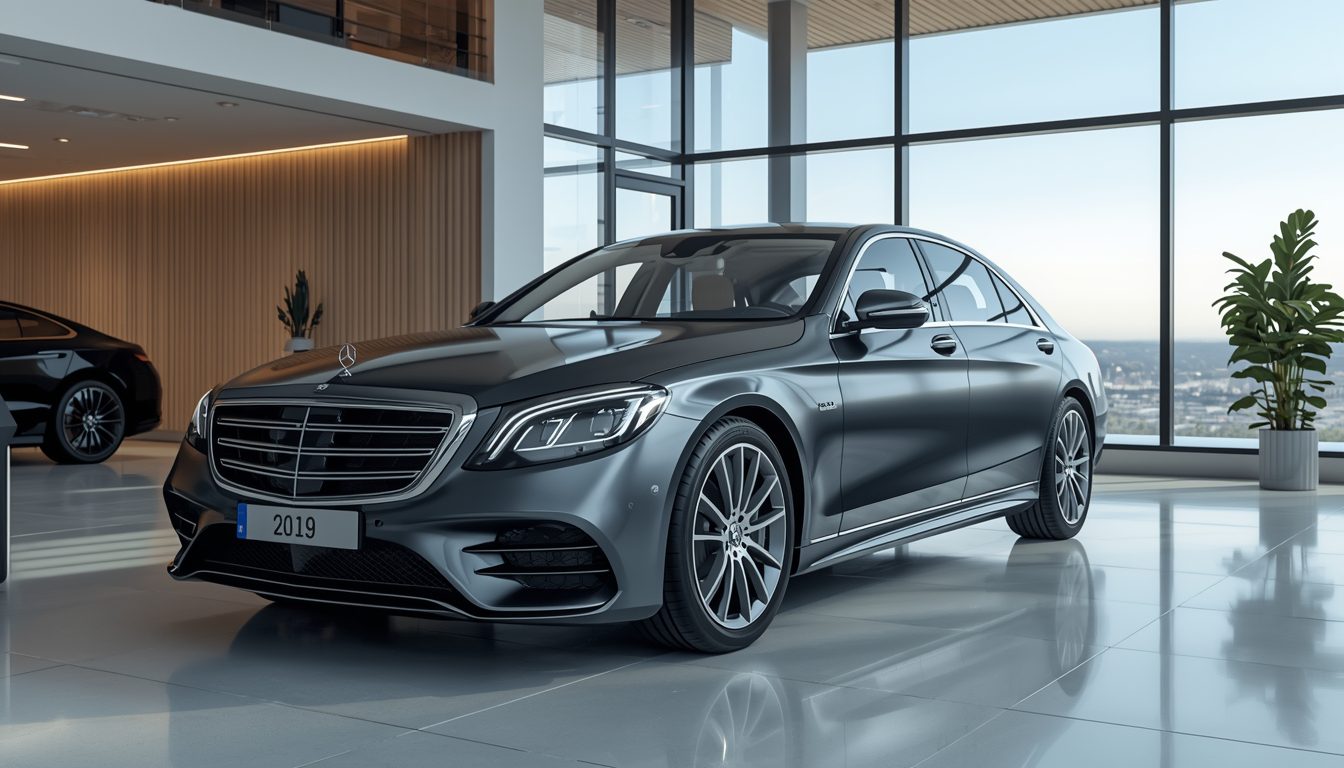
The automotive world stands on the brink of another revolution as Mercedes-Benz prepares to unveil the 2027 S-Class, a flagship sedan that promises to redefine luxury, technology, and performance. This executive sedan represents the pinnacle of German engineering, blending cutting-edge innovation with timeless elegance. For those wondering whether the 2027 Mercedes-Benz S-Class is worth buying, this comprehensive exploration reveals everything you need to know about the upcoming masterpiece.
Evolution of Excellence: What Makes the 2027 S-Class Different
Mercedes has consistently pushed boundaries with its flagship model, and the new S-Class 2027 continues this tradition with remarkable finesse. The latest iteration introduces subtle yet meaningful design changes that enhance both aerodynamics and visual appeal. The exterior updates feature refined LED lighting signatures, a more pronounced grille, and sculpted body lines that speak to modern sophistication without abandoning the model’s iconic silhouette.
Inside the cabin, Mercedes has reimagined luxury for the contemporary driver. The interior redesign showcases premium materials, including sustainably sourced leather and open-pore wood trim. The dashboard architecture flows seamlessly, creating an environment where technology and comfort converge. Every surface reflects meticulous attention to detail, from the hand-stitched upholstery to the precision-machined aluminum accents.
Power Meets Efficiency: Engine Options and Performance
The 2027 S-Class engine options cater to diverse preferences, offering something for every discerning buyer. The gasoline engine lineup includes refined inline-six and V8 powerplants that deliver smooth, effortless acceleration. These engines incorporate the latest advancements in combustion technology, ensuring robust performance without compromising efficiency.
Hybrid and plug-in hybrid variants expand the range, providing impressive fuel economy while maintaining the commanding presence expected from a luxury sedan. The S-Class fuel economy 2027 figures represent significant improvements over previous generations, with real-world MPG expectations ranging between 25 and 35 miles per gallon depending on the chosen powertrain.
For those embracing electrification, the electric S-Class version integrates seamlessly with the EQS platform, offering substantial electric range alongside traditional luxury appointments. This variant positions the S-Class electric range competitively against the Tesla Model S, delivering whisper-quiet operation and instant torque that transforms the driving experience.
Performance metrics remain impressive across the board. Acceleration from zero to sixty happens in as little as 4.5 seconds in higher-powered variants, while the refined transmission and drivetrain options ensure smooth power delivery in all conditions. The platform and engineering improvements contribute to exceptional handling dynamics, making this large sedan feel surprisingly agile on winding roads.
Technology That Thinks Ahead
The MBUX infotainment system receives substantial updates for 2027, incorporating artificial intelligence that learns driver preferences and adapts accordingly. The S-Class technology updates include multiple high-resolution displays that span the dashboard, creating an immersive digital environment. Screen configurations offer customization options, allowing drivers to prioritize information most relevant to their needs.
Connectivity features ensure seamless smartphone integration, whether using wireless Apple CarPlay or Android Auto. Voice control has evolved beyond simple commands, now understanding natural language and context with remarkable accuracy. Gesture recognition adds another layer of intuitive interaction, allowing drivers to control functions with simple hand movements.
Autonomous driving features represent perhaps the most significant advancement. The 2027 Mercedes S-Class incorporates Level 3 autonomous driving capabilities in appropriate conditions, allowing drivers to safely delegate control during highway cruising. Active safety features work continuously in the background, monitoring surroundings and intervening when necessary. Night vision systems enhance visibility during low-light conditions, while surround view cameras provide comprehensive awareness of the vehicle’s environment.
Safety Without Compromise
Mercedes has engineered the 2027 S-Class with occupant protection as a fundamental priority. Expected S-Class safety ratings from Euro NCAP and IIHS point toward top-tier performance across all categories. Structural safety enhancements utilize high-strength materials in strategic locations, creating a protective cage around occupants.
The airbag configuration includes front, side, curtain, and knee airbags, providing comprehensive coverage in various collision scenarios. Child safety features meet the highest standards, with LATCH systems that simplify proper car seat installation. Advanced driver assistance systems work proactively to prevent accidents before they occur, using radar, cameras, and ultrasonic sensors to maintain constant vigilance.
Luxury Redefined: Interior Comfort Features
Step inside the S-Class interior 2027, and you enter a sanctuary designed for ultimate comfort. Seating configurations vary by trim level, with options ranging from sporty bolstered seats to executive loungers with extensive adjustment possibilities. Premium leather and advanced climate control create an environment tailored to individual preferences.
Massage functions target specific muscle groups, transforming long journeys into relaxation experiences. The ambient lighting system offers 64 colors and multiple zones, allowing occupants to craft the perfect atmosphere. Rear-seat executive package options elevate comfort for passengers, with reclining seats, fold-out tables, and dedicated climate controls.
The sound system represents acoustic engineering at its finest. Whether choosing the standard setup or upgrading to the Burmester high-end 3D surround sound, audio quality rivals the finest home theater systems. Active noise cancellation technology ensures cabin tranquility even at highway speeds.
Trim Levels and Configuration Choices
Understanding the 2027 S-Class trim levels helps buyers identify the perfect specification. The base S 500 provides remarkable luxury as a starting point, including most of the technology and comfort features that define the model. Moving up to the S 580 and S 680 luxury trims adds additional power, more extensive standard equipment, and enhanced personalization options.
AMG performance variants satisfy those seeking sporting character alongside luxury refinement. These models feature tuned suspensions, more aggressive styling elements, and powertrain modifications that sharpen responses without sacrificing comfort. The Maybach S-Class ultra-luxury options represent the absolute pinnacle, with extended wheelbases, unique design elements, and bespoke customization possibilities that rival custom coachwork.
Long wheelbase versions provide additional rear legroom, particularly beneficial for chauffeur-driven applications or those who frequently carry passengers. The choice between standard and extended configurations depends largely on intended use and personal preferences regarding proportions and presence.
Pricing Structure and Value Proposition
The 2027 S-Class price reflects its position at the luxury car market’s summit. Starting MSRP begins around $115,000 for base configurations, climbing past $180,000 for fully equipped Maybach variants. Optional packages can add $20,000 to $40,000 depending on selected features, with exclusive paint colors, custom interior appointments, and advanced technology bundles commanding premium pricing.
Lease and finance incentives vary by region and timing, though luxury flagship models typically receive less aggressive promotional support than volume segments. The total cost of ownership includes not just purchase price but also insurance, maintenance, and fuel expenses. Mercedes S-Class maintenance costs remain reasonable given the vehicle’s complexity, with scheduled service intervals designed to minimize inconvenience.
Resale value and depreciation trends historically favor the S-Class among luxury sedans. While all vehicles lose value over time, the flagship Mercedes retains worth better than many competitors due to strong brand reputation, robust build quality, and enduring appeal. This characteristic makes the cheapest S-Class trim 2027 a potentially smart investment for those planning longer ownership periods.
Launch Timeline and Availability
The global launch timeline positions initial availability in European markets during late 2026, with the US market release date following in early 2027. Pre-order information suggests that interested buyers should contact dealers soon, as demand typically exceeds initial supply for new S-Class generations. Dealer allocation depends on market size and historical sales performance, meaning some regions may experience longer wait times than others.
Production ramps up gradually, ensuring quality control standards remain uncompromised. Those placing early reservations generally receive priority access, though specific delivery timelines depend on chosen configuration and production scheduling.
Environmental Responsibility and Efficiency
Beyond luxury and performance, the 2027 Mercedes-Benz S-Class addresses environmental impact through multiple initiatives. EPA ratings for gasoline and hybrid models demonstrate meaningful improvements, with plug-in variants offering electric-only operation for daily commuting. Emissions standards compliance meets or exceeds requirements in all global markets.
Mercedes incorporates eco-friendly materials throughout the interior, including recycled plastics, sustainably sourced wood, and leather tanned using reduced-chemical processes. These sustainability initiatives reflect growing awareness that luxury and environmental responsibility need not conflict.
Competitive Landscape and Market Position
The premium car market offers compelling alternatives, making comparison shopping essential. The BMW 7 Series 2027 comparison reveals two distinct philosophies: BMW emphasizes sporting dynamics while Mercedes prioritizes ride comfort. The Audi A8 vs Mercedes S-Class debate centers on technology implementation and interior ambiance, with both offering compelling arguments.
Beyond German luxury vehicles, alternatives like the Lexus LS and Genesis G90 provide different value propositions, trading some prestige for lower pricing and excellent reliability ratings. Electric luxury sedans, particularly the Tesla Model S and S-Class vs Tesla Model S comparisons, highlight diverging approaches to sustainable luxury.
Why choose the S-Class over competitors? The answer lies in comprehensive excellence. Few vehicles match the seamless integration of technology, comfort, performance, and prestige that defines this flagship sedan. While competitors excel in specific areas, the S-Class delivers balanced brilliance across all dimensions.
Final Verdict: Who Should Consider the 2027 S-Class
This executive sedan targets successful professionals valuing comfort, technology, and prestige. Business executive benefits include mobile office capabilities, refined presence for client meetings, and advanced safety systems. Chauffeur-driven applications benefit from exceptional rear-seat comfort and extensive customization options.
Surprisingly, family-friendly luxury sedan needs find satisfaction here as well. Spacious interiors, comprehensive safety features, and practical considerations like trunk space make the S-Class viable for various life situations beyond business use.
The best luxury sedan 2027 debate inevitably leads back to this Mercedes flagship. While preferences vary and alternatives merit consideration, few vehicles offer such complete packages. For those seeking the ultimate expression of automotive luxury grounded in tangible capability rather than mere posturing, the 2027 Mercedes-Benz S-Class stands ready to exceed expectations and redefine what flagship sedans can achieve.
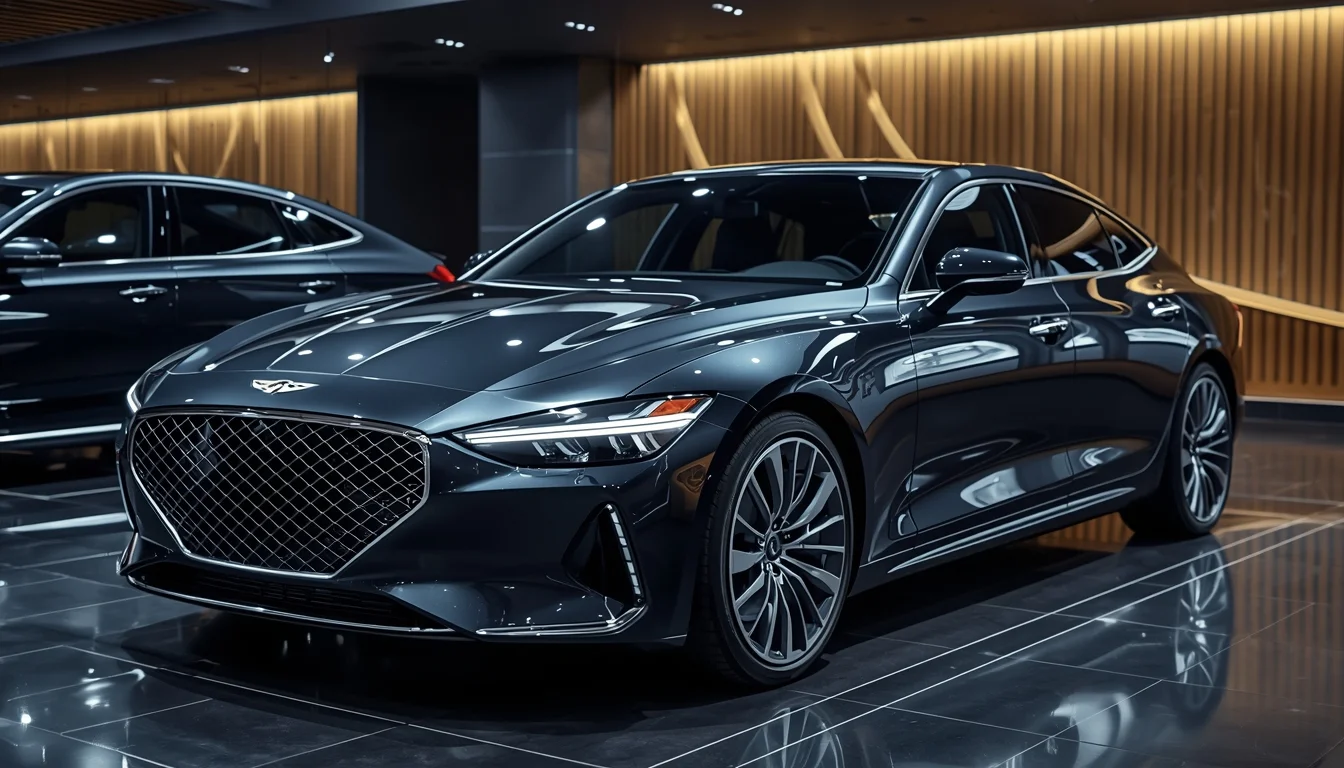
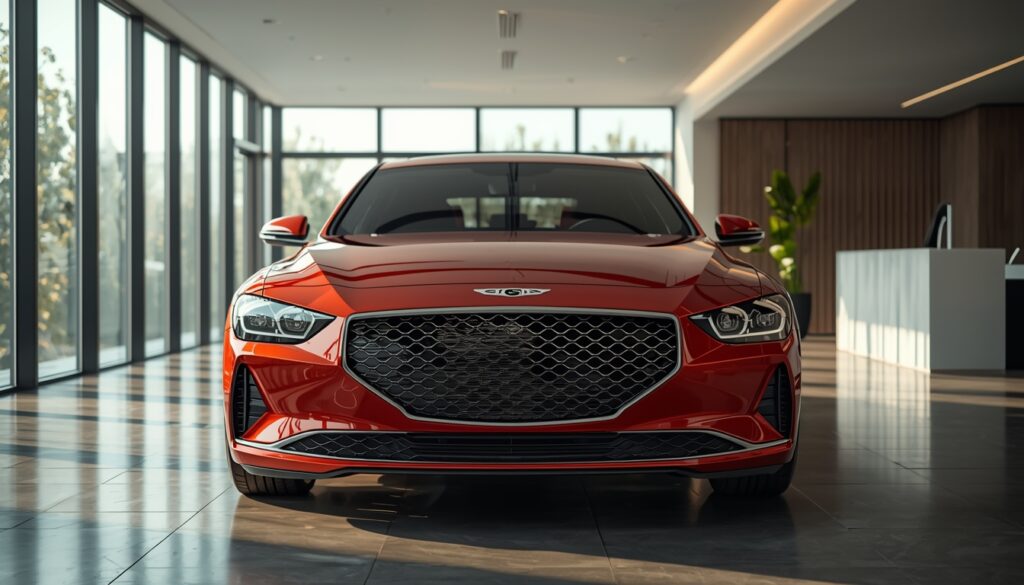
Genesis cars are manufactured by Hyundai Motor Group, the South Korean automotive giant that also produces Hyundai and Kia vehicles. Genesis operates as Hyundai’s independent luxury division, similar to how Toyota owns Lexus or Honda owns Acura.
Hyundai officially launched Genesis as a standalone luxury brand in November 2015. However, the Genesis story began years earlier as a single luxury sedan that wore the Hyundai badge and won North American Car of the Year in 2009.
Today, Genesis functions completely separately from Hyundai with dedicated design studios, manufacturing quality standards, dealership networks, and customer service programs. This separation allows Genesis to compete directly with Mercedes-Benz, BMW, and Lexus without the mainstream associations of the Hyundai brand.
Why Hyundai Created Genesis
Hyundai Motor Group recognized that brand perception was limiting their luxury ambitions. Many affluent buyers simply wouldn’t consider a Hyundai-badged vehicle, regardless of quality or features.
The original Hyundai Genesis sedan proved Korean automakers could build world-class luxury vehicles. It offered premium materials, powerful engines, and advanced technology at prices thousands below German competitors. More importantly, it proved exceptionally reliable—consistently ranking among the most dependable luxury sedans in Consumer Reports and J.D. Power surveys.
Despite this success, Hyundai executives knew they needed a separate brand to fully compete in the luxury market. The Lexus playbook provided the model: Toyota spent decades building luxury credibility by keeping Lexus completely separate from its mainstream brand.
Creating Genesis as an independent brand in 2015 solved the perception problem. Luxury buyers could now purchase Genesis vehicles without feeling they were simply buying expensive Hyundais.
Where Genesis Vehicles Are Built
All Genesis vehicles are manufactured in South Korea at Hyundai Motor Group production facilities. The primary assembly location is Hyundai’s Ulsan manufacturing complex, one of the world’s largest automotive plants employing over 34,000 workers.
Genesis vehicles receive specialized treatment during manufacturing. While they may share some basic architecture with Hyundai models, Genesis products undergo additional quality control checkpoints, premium material installation, and refined assembly processes.
Different models are built at specialized facilities:
The compact G70 sedan is assembled at Hyundai’s Hwaseong plant, which specializes in performance-oriented vehicles
The G80 and G90 luxury sedans are produced at the main Ulsan complex
Genesis SUVs including the GV70, GV80, and electric GV60 are manufactured at facilities equipped for crossover production
This centralized South Korean manufacturing strategy ensures consistent quality control across the entire Genesis lineup. Unlike some competitors who manufacture in multiple countries, Genesis maintains uniform production standards.
What Sets Genesis Apart: Real-World Quality Evidence
As an automotive industry analyst with 15 years of experience evaluating luxury vehicles, I’ve observed Genesis’s remarkable rise firsthand. The brand’s quality metrics tell a compelling story.
Proven Reliability Performance
Genesis consistently ranks among the most reliable luxury brands in independent surveys. Consumer Reports places Genesis in the top tier for dependability, often ahead of established European luxury brands.
J.D. Power’s Initial Quality Study regularly recognizes Genesis for having fewer problems in the first 90 days of ownership than most competitors. The 2024 study placed Genesis second overall among all brands—an extraordinary achievement for such a young luxury marque.
Real-world warranty claim data supports these rankings. Genesis vehicles require fewer repairs than many German luxury competitors, resulting in lower total cost of ownership despite the premium positioning.
Industry-Leading Warranty Coverage
Genesis backs its vehicles with a 10-year/100,000-mile powertrain warranty—the longest in the luxury segment. The basic warranty covers 5 years/60,000 miles, far exceeding the typical 3-4 year coverage from European brands.
This exceptional warranty isn’t just marketing. It demonstrates Genesis’s confidence in long-term reliability and manufacturing quality. The company wouldn’t offer such coverage if vehicles frequently required expensive repairs.
The warranty is fully transferable to subsequent owners, which helps support resale values and provides peace of mind for used Genesis buyers.
The Complete Ownership Experience
Genesis differentiates itself through ownership services that go beyond the vehicle itself.
Every Genesis comes with three years of complimentary scheduled maintenance covering oil changes, tire rotations, and multi-point inspections. This saves owners several hundred dollars and ensures vehicles receive proper care from factory-trained technicians.
The brand’s signature valet service is genuinely innovative. Genesis dealers pick up your vehicle for service, provide a loaner, and return your car cleaned and serviced—all at no charge during the warranty period. Many owners never visit a service center.
These services address real pain points in luxury car ownership. As someone who has tested hundreds of vehicles, I can confirm that Genesis’s ownership experience rivals or exceeds brands costing significantly more.
Genesis Model Lineup and Pricing
Genesis offers six models with starting prices that undercut German competitors by $5,000-$15,000:
Sedans:
G70: Compact sports sedan starting around $40,000
G80: Midsize luxury sedan starting around $55,000
G90: Flagship sedan starting around $90,000
SUVs:
GV60: Electric compact SUV starting around $52,000
GV70: Compact luxury SUV starting around $43,000
GV80: Three-row midsize SUV starting around $57,000
This pricing strategy delivers luxury features and quality at accessible price points. A comparably equipped Genesis typically costs 20-30% less than an equivalent Mercedes-Benz or BMW.
Should You Trust Genesis cars Quality?
Based on objective reliability data, manufacturing standards, and real-world ownership experiences, Genesis has earned its place among quality luxury brands.
The brand benefits from Hyundai Motor Group’s decades of manufacturing expertise and massive investment in technology. Genesis vehicles use proven powertrains, advanced safety systems, and quality components from global suppliers.
However, Genesis is still building its long-term track record. The brand launched only in 2015, so comprehensive 10-15 year reliability data doesn’t yet exist. Early indicators are extremely positive, but time will provide the complete picture.
Resale values remain Genesis’s biggest question mark. While the transferable warranty helps, Genesis vehicles depreciate faster than Lexus and some German brands due to lower brand recognition.
The Bottom Line
Genesis represents one of the automotive industry’s most impressive success stories. Hyundai Motor Group created a legitimate luxury brand that competes with established names through exceptional quality, comprehensive warranties, and innovative customer service.
For buyers prioritizing substance over badge prestige, Genesis delivers genuine luxury value. The vehicles match or exceed European competitors in quality and features while costing significantly less and offering better warranty protection.
If maximum brand status matters most, established luxury brands still lead. But for practical luxury buyers seeking exceptional vehicles backed by proven reliability, Genesis deserves serious consideration. The brand isn’t just promising future quality—it’s delivering it today.
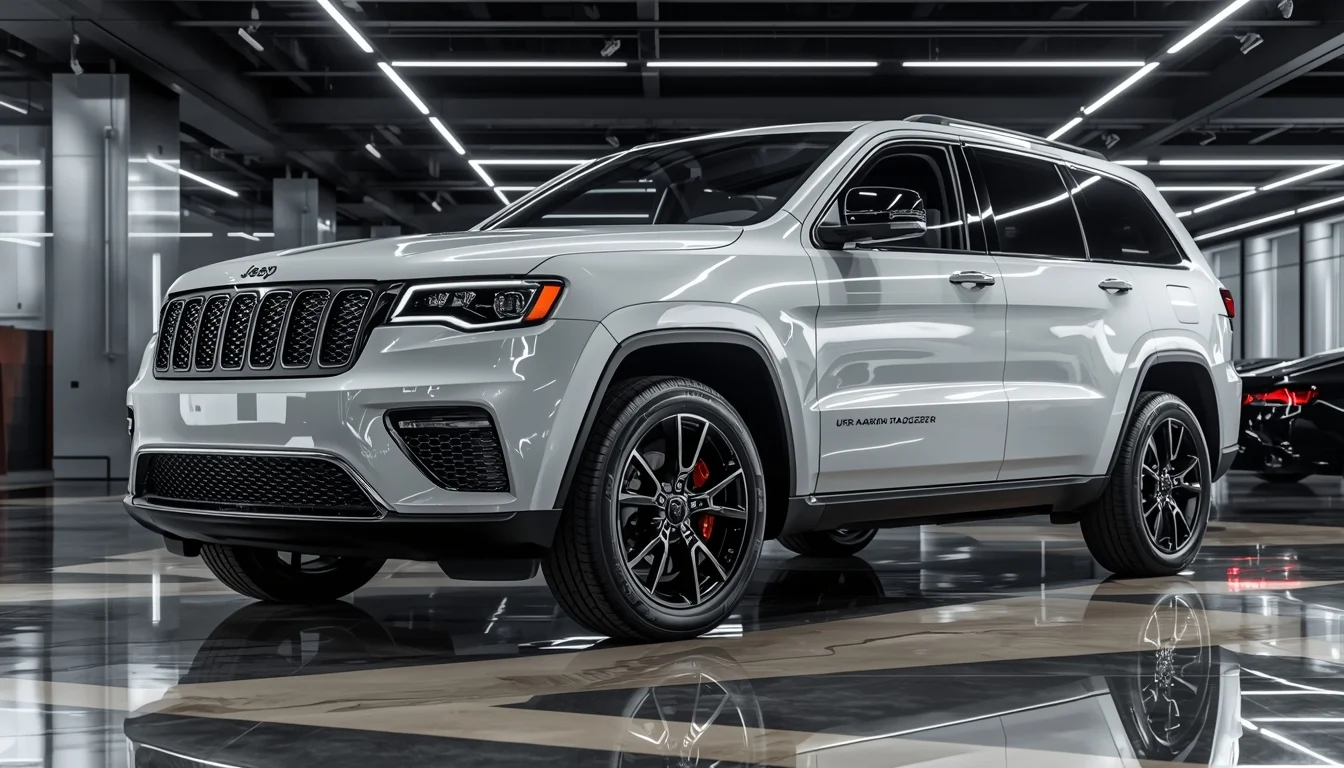
The Jeep Grand Wagoneer car is a full-size luxury SUV that represents Jeep’s return to the premium three-row segment. Reintroduced in 2022 after a decades-long hiatus, this vehicle targets affluent buyers seeking American luxury combined with genuine off-road capability.
Unlike the standard Wagoneer, the Grand Wagoneer sits at the top of Jeep’s lineup. It competes directly with the Cadillac Escalade, Lincoln Navigator, and Range Rover.
The Grand Wagoneer aims to blend traditional Jeep ruggedness with high-end materials, advanced technology, and family-friendly space. It’s designed for buyers who want luxury without sacrificing capability.
Heritage and Modern Rebirth
The original Wagoneer debuted in 1963 and became an icon of American SUVs. The Grand Wagoneer variant, introduced in 1984, was one of the first luxury SUVs.
After production ended in 1991, the nameplate disappeared for three decades. The 2022 relaunch marked Jeep’s ambitious push into the premium market.
Today’s Grand Wagoneer shares architecture with the standard Wagoneer but features more luxurious appointments, additional technology, and premium trim options.
Target Audience and Market Position
The Grand Wagoneer targets families and individuals seeking a spacious, capable SUV with upscale amenities. Typical buyers prioritize interior space, towing capacity, and brand heritage.
This vehicle appeals to those who want American luxury over European alternatives. It’s positioned for buyers who value utility alongside premium features.
Price points place it firmly in luxury territory, competing with vehicles costing $90,000 and above.
Jeep Grand Wagoneer Exterior Design and Build Quality
The Grand Wagoneer features bold, commanding styling that emphasizes its size and presence. The front fascia showcases Jeep’s signature seven-slot grille, now rendered in chrome and designed to convey premium status.
LED headlights and taillights come standard across all trims. The overall design balances traditional SUV proportions with modern luxury cues.
Dimensions and Road Presence
At over 214 inches long and 84 inches wide, the Grand Wagoneer is genuinely large. Ground clearance exceeds 10 inches with available air suspension.
The wheelbase stretches to 130 inches, contributing to interior space and ride comfort. Curb weight approaches 6,000 pounds depending on configuration.
These dimensions ensure road presence but require consideration for garage space and parking.
Exterior Features and Options
Standard features include power-folding mirrors, hands-free liftgate, and roof rails. Higher trims add adaptive LED lighting and larger wheel options up to 22 inches.
Available two-tone paint schemes enhance the premium appearance. Chrome or body-color accents differentiate trim levels.
Build quality generally meets expectations for the price point, though some early production models experienced minor fit-and-finish concerns.
Interior Features and Luxury Amenities
The Grand Wagoneer’s cabin represents Jeep’s most luxurious effort to date. Premium materials include real wood trim, leather upholstery, and metal accents throughout.
The interior layout prioritizes space and comfort for all three rows. Attention to detail includes ambient lighting, soft-touch surfaces, and well-damped controls.
Seating Capacity and Comfort
Standard seating accommodates seven passengers with second-row captain’s chairs. An optional eight-passenger configuration includes a second-row bench.
Front seats offer extensive power adjustment, heating, cooling, and massage functions. Lumbar support and memory settings come standard on higher trims.
Second-row seats provide genuine adult comfort with ample legroom and reclining capability. Third-row access is easier than many competitors thanks to wide door openings.
First and Second Row Experience
Front occupants enjoy commanding seating positions with excellent visibility. The driver faces a configurable digital instrument cluster and available head-up display.
Second-row passengers benefit from dedicated climate controls, USB ports, and available entertainment screens. Legroom rivals or exceeds most competitors.
Captain’s chairs in the second row enhance comfort for longer trips and improve third-row access.
Third Row Space and Practicality
The third row accommodates adults for shorter trips, though taller passengers may find headroom limited. It’s best suited for children or occasional use.
Access to the third row requires tilting and sliding second-row seats. The process is straightforward but not instantaneous.
Compared to competitors like the Escalade, the Grand Wagoneer’s third row offers similar space and comfort.
Technology and Infotainment Systems
The Grand Wagoneer features one of the most screen-heavy interiors in the automotive market. Standard equipment includes a 10.25-inch digital instrument cluster and 10.1-inch center touchscreen.
Higher trims add a passenger-side entertainment screen, front-seat console touchscreen, and larger main displays up to 12 inches.
Touchscreen Displays and Interface
The Uconnect 5 infotainment system powers all displays. The interface responds quickly and supports wireless Apple CarPlay and Android Auto.
Navigation comes standard with real-time traffic and weather updates. Voice recognition works reliably for common commands.
The passenger display allows independent control of entertainment and climate without interrupting the driver’s screen.
Sound System and Entertainment
Base models include a 19-speaker McIntosh audio system. Upgraded trims offer a 23-speaker McIntosh Reference system with 24-channel amplification.
Sound quality impresses across all configurations. The premium system delivers concert-hall acoustics with exceptional clarity and bass response.
Rear-seat entertainment includes available 10.1-inch touchscreens in the second row with wireless headphone connectivity and HDMI inputs.
Cargo Space and Storage Solutions
Behind the third row, cargo capacity measures 27.4 cubic feet. That expands to 70.9 cubic feet with the third row folded and 116.7 cubic feet with both rear rows down.
Storage compartments throughout the cabin include large door pockets, center console bins, and cupholders. A front-row console includes wireless phone charging.
Cargo capacity falls short of the Chevrolet Suburban but exceeds the Cadillac Escalade slightly.
Jeep Grand Wagoneer Specifications and Performance
The Grand Wagoneer comes standard with a 6.4-liter V8 engine producing 471 horsepower and 455 lb-ft of torque. An eight-speed automatic transmission handles shifting.
Four-wheel drive with low-range gearing comes standard, maintaining Jeep’s off-road credibility. The Quadra-Lift air suspension provides five height settings.
Engine Options and Capabilities
The standard 6.4-liter naturally aspirated V8 delivers strong acceleration for a vehicle this size. Zero-to-60 mph times hover around 6 seconds.
Power delivery is smooth and linear. The engine note provides a satisfying rumble without excessive cabin intrusion.
An available turbocharged inline-six Hurricane engine offers plug-in hybrid capability in certain markets, though availability varies by model year and region.
Towing Capacity and Payload
Maximum towing capacity reaches 10,000 pounds when properly equipped. That’s sufficient for large boats, travel trailers, or toy haulers.
Payload capacity approaches 1,400 pounds depending on configuration. Both figures compete well within the segment.
Integrated trailer brake controllers and trailer backup assist make towing more manageable for less experienced drivers.
Fuel Economy and Efficiency
EPA estimates for the V8 range from 13-14 mpg city to 19 mpg highway. Combined ratings settle around 15-16 mpg.
Real-world fuel economy typically matches EPA estimates during highway driving but can drop below 12 mpg in city traffic or when towing.
Premium fuel is recommended for optimal performance, adding to operating costs.
Driving Experience and Handling
Despite its size, the Grand Wagoneer handles predictably. Steering weight is appropriate, and body roll is well-controlled for such a tall, heavy vehicle.
The air suspension adapts to driving conditions, lowering for highway stability or raising for off-road clearance. Ride quality remains composed over most surfaces.
Acceleration feels strong when needed. Highway merging and passing present no issues.
Off-Road Capability
Genuine off-road capability separates the Grand Wagoneer from some luxury competitors. Low-range gearing, four-wheel drive, and terrain management systems enable confident trail driving.
Ground clearance reaches 10.9 inches in the highest suspension setting. Approach and departure angles accommodate moderate obstacles.
Most buyers won’t exploit full off-road potential, but the capability exists when needed.
Safety Features and Ratings
The Grand Wagoneer includes a comprehensive suite of active and passive safety features. Standard equipment includes forward collision warning, automatic emergency braking, and blind-spot monitoring.
Additional available systems include adaptive cruise control, lane-keeping assist, and night vision with pedestrian detection.
Standard Safety Equipment
All models feature multiple airbags, electronic stability control, and anti-lock brakes. A rearview camera with dynamic guidelines comes standard.
Parking sensors front and rear help manage the vehicle’s size. Rear cross-traffic alert warns of approaching vehicles when reversing.
Tire pressure monitoring and electronic roll mitigation enhance everyday safety.
Advanced Driver Assistance Systems
Available advanced systems include Active Driving Assist, which combines adaptive cruise control and lane centering for semi-autonomous highway driving.
The system works effectively on well-marked roads but requires frequent driver input. It’s a convenience feature rather than full autonomy.
Intersection collision assist and highway assist with lane change support improve on higher trim levels.
Crash Test Ratings
Crash test ratings from NHTSA and IIHS were not immediately available at the vehicle’s launch. As testing occurred, the Grand Wagoneer earned respectable scores in most categories.
The vehicle’s size and weight provide inherent protection in collisions. Advanced safety systems help prevent accidents before they occur.
Prospective buyers should check current ratings from NHTSA and IIHS for the specific model year of interest.
Jeep Grand Wagoneer Trim Levels and Configurations
The Grand Wagoneer lineup includes Series I, Series II, and Series III trim levels, along with the ultra-premium Obsidian model.
Each trim builds on the previous with additional luxury features, technology, and refinement. Even the base Series I includes substantial equipment.
Series I Features
Series I represents the entry point with standard four-wheel drive, leather upholstery, and the McIntosh audio system. The 10.25-inch digital cluster and 10.1-inch center display come included.
Standard features also cover heated front seats, power liftgate, and tri-zone automatic climate control. LED lighting and 20-inch wheels round out the base specification.
This trim provides core Grand Wagoneer luxury at the lowest price point.
Series II Upgrades
Series II adds ventilated front seats, heated second-row seats, and the passenger-side entertainment display. Upgraded interior materials and additional ambient lighting enhance cabin ambiance.
A hands-free driving assist system becomes available. Larger wheels and additional exterior chrome distinguish this trim visually.
Many buyers find Series II offers the best balance of features and value.
Series III and Obsidian
Series III includes semi-aniline leather, upgraded wood trim, and the premium McIntosh Reference audio system. Rear entertainment screens and additional luxury touches justify the price increase.
The Obsidian trim represents the pinnacle with exclusive materials, unique styling elements, and maximum available features. It targets buyers seeking the ultimate Grand Wagoneer experience.
Obsidian pricing approaches or exceeds $120,000 depending on options.
Jeep Grand Wagoneer Pricing and Ownership Costs
Base pricing for the Grand Wagoneer starts around $95,000 for Series I. Series II models begin near $105,000, while Series III pricing exceeds $115,000.
The Obsidian trim pushes pricing past $120,000 before options. These figures place the Grand Wagoneer firmly in luxury territory.
Total Cost of Ownership
Beyond purchase price, buyers should consider fuel costs, insurance, and maintenance. Premium fuel requirements and low fuel economy increase ongoing expenses.
Insurance costs reflect the vehicle’s value and size. Expect premiums higher than mainstream SUVs but comparable to other luxury three-row models.
Depreciation typically follows patterns of other large luxury SUVs. First-year depreciation can be significant, though strong demand may help residual values.
Maintenance and Repair Expenses
Routine maintenance costs align with luxury vehicle expectations. Oil changes, tire replacements, and brake service will exceed mainstream vehicle costs.
Jeep’s warranty coverage includes three years or 36,000 miles basic and five years or 60,000 miles powertrain. Extended warranty options are available.
Dealer service may be required for complex systems, potentially increasing costs compared to independent shops.
Insurance Considerations
Insurance companies classify the Grand Wagoneer as a luxury SUV, resulting in higher premiums. Factors include vehicle value, replacement costs, and driver demographics.
Safety features may qualify for discounts. Shopping among multiple insurers helps identify the best rates.
Annual insurance costs typically range from $2,000 to $3,500 depending on location and coverage.
How the Jeep Grand Wagoneer Compares to Competitors
The Grand Wagoneer enters a competitive segment with established luxury players. Understanding how it stacks up helps buyers make informed decisions.
Jeep Grand Wagoneer vs Cadillac Escalade
The Escalade offers similar size, luxury, and three-row seating. Cadillac’s brand carries more luxury heritage, and Super Cruise provides more advanced semi-autonomous driving.
The Grand Wagoneer counters with standard V8 power, more off-road capability, and fresh styling. Pricing is comparable, though high-end Escalade trims can exceed the Grand Wagoneer.
Buyers seeking American luxury will find both appealing. The choice often comes down to brand preference and specific feature priorities.
Grand Wagoneer vs Lincoln Navigator
The Navigator emphasizes smooth, refined luxury over off-road capability. Its twin-turbo V6 provides strong performance with slightly better fuel economy.
Lincoln’s interior feels more contemporary in design. The Navigator’s ride quality is softer and more compliant.
The Grand Wagoneer offers more traditional SUV character and superior off-road credentials. Towing capacity favors the Jeep slightly.
Grand Wagoneer vs Range Rover
Range Rover brings European luxury and exceptional off-road engineering. Interior quality and brand prestige favor the British brand.
However, Range Rover reliability concerns and higher maintenance costs give buyers pause. Pricing for comparably equipped models significantly exceeds the Grand Wagoneer.
The Jeep offers better value and likely lower ownership costs, though it can’t match Range Rover’s cachet.
Grand Wagoneer vs BMW X7
The BMW X7 offers more engaging driving dynamics and a sportier character. Its technology and interior design feel more modern.
However, the X7 lacks serious off-road capability and towing capacity. Third-row space is tighter than the Grand Wagoneer.
Buyers prioritizing driving enjoyment may prefer the BMW. Those needing utility and space will favor the Jeep.
Reliability and Common Issues
As a relatively new model, long-term reliability data remains limited. Early production vehicles experienced some quality control issues typical of new platforms.
Reported problems include electronic glitches, infotainment freezes, and minor trim rattles. Most issues were addressed through software updates or warranty repairs.
Long-Term Reliability Outlook
Jeep’s reliability reputation has improved in recent years but still lags some competitors. The Grand Wagoneer’s complexity introduces potential failure points.
The V8 engine is proven and generally reliable. Transmission and four-wheel-drive systems use established technology.
Electronic systems represent the biggest unknown. Software updates have resolved many early concerns.
Known Problems and Owner Complaints
Some owners report intermittent issues with the digital displays. Touchscreen responsiveness occasionally lags.
Air suspension problems appeared in early models, though less frequently than in some competitors. Firmware updates addressed many concerns.
Build quality complaints focus on minor interior squeaks and rattles rather than major mechanical failures.
Warranty Coverage and Support
Jeep’s standard warranty provides adequate coverage for most buyers. Extended warranty options can provide additional peace of mind given the vehicle’s complexity.
Dealer networks are widely available, though service quality varies by location. Major metropolitan areas typically offer better support than rural regions.
Premium roadside assistance is included for the warranty period.
Pros and Cons of the Jeep Grand Wagoneer
Advantages
The Grand Wagoneer offers genuine three-row space with adult-friendly accommodations in all rows. Interior materials and craftsmanship meet luxury expectations.
Real off-road capability sets it apart from some luxury competitors. Towing capacity of 10,000 pounds serves utility needs.
Strong V8 power provides satisfying performance. The technology package impresses with multiple screens and features.
American luxury at a more accessible price point than European alternatives attracts value-conscious buyers.
Disadvantages
Fuel economy is poor, even by full-size SUV standards. Premium fuel requirements add to operating costs.
Early reliability concerns and limited long-term data create uncertainty. Some interior materials don’t match the price point in lower trims.
The infotainment system, while feature-rich, can be complex to navigate. Screen overload may overwhelm some users.
Resale value remains unproven compared to established luxury SUVs. Brand perception doesn’t carry the same prestige as Cadillac or Range Rover.
Who Should Buy the Jeep Grand Wagoneer
The ideal Grand Wagoneer buyer needs three-row seating with genuine luxury features. Families with multiple children benefit from the spacious cabin.
Buyers who tow regularly will appreciate the capability. Those who want off-road ability without sacrificing luxury find few alternatives.
This vehicle suits buyers who prefer American brands and value utility alongside premium features. It works for those upgrading from mainstream three-row SUVs to luxury territory.
Ideal Buyer Profile
A typical owner might be a family with three or more children, a couple who tows an RV or boat, or someone who wants presence and capability.
Income levels typically exceed $200,000 annually to comfortably afford purchase price and operating costs. Many buyers own secondary vehicles for daily commuting.
Brand loyalty to Jeep or desire for American luxury often factors into the decision.
Who Should Consider Alternatives
Buyers prioritizing fuel efficiency should look elsewhere. The Grand Wagoneer’s appetite for premium fuel makes it expensive to operate.
Those seeking cutting-edge technology or the most refined ride might prefer German or Japanese luxury SUVs. Build quality concerns may deter risk-averse buyers.
Urban dwellers with limited parking may find the size impractical. The vehicle’s dimensions challenge city driving and parking.
Buyers focused on brand prestige might prefer Cadillac, Range Rover, or Mercedes-Benz. Resale value concerns favor more established nameplates.
Final Buyer’s Advice and Verdict
The Jeep Grand Wagoneer successfully delivers American luxury combined with genuine capability. It fills a niche for buyers wanting utility alongside premium features.
Consider this vehicle if you need three-row space, towing capability, and off-road potential with luxury appointments. The Grand Wagoneer excels in these areas.
Be prepared for high fuel costs and potential early reliability concerns. Test drive competing vehicles to confirm the Grand Wagoneer meets your expectations.
Higher trim levels offer better value through included features, though even Series I provides substantial equipment. Obsidian pricing seems excessive unless you desire maximum exclusivity.
Negotiate carefully, as dealer markups were common during initial availability. Inventory levels have stabilized, improving buyer leverage.
Overall, the Grand Wagoneer represents a compelling option in the luxury three-row segment, particularly for buyers who value capability and American heritage. It won’t suit everyone, but it successfully delivers on its core promises for the right buyer.
According to the Chevrolte a next Generation 2027 Chevy Silverado is coming and it is Confirmed , it will arrive in 2027 as 2027 model Year. GM acknowledging a full redesign of it , this topic is becoming very popular in Google Discover , Automotive Forms and communities of Truck Buyer.
Chevy has not revealed every Detail Yet , Reports , Execcutive Confirmations and Prototypes sightings give us a clear picture of what to expect from one of America’s most important pickup trucks.
A complete redesign has been officially confirmed.
General Motors has confirmed that the Silverado will enter a new generation, the most significant update since the launch of the current model. It won’t be a plain face.
The 2027 Silverado is expected to feature: A new platform architecture Major external and internal changes Updated powertrain technology Better performance and capacity For truck buyers, this signals a meaningful evolution rather than incremental changes.
Exterior: Bolder, more modern Silverado styling
While Chevrolet has yet to release official images, prototype testing and industry reports suggest a significantly updated design.
Anticipated external changes include: A more aggressive front grill. Slim, modern LED lighting.Sharp body lines and updated proportions. Revised bumper and wheel design.The goal seems to be a Silverado that looks more modern and premium, while still maintaining that rugged identity truck buyers expect.
Interior: Better Tech , Bigger Screens
One of the biggest criticisms of early generations of the Silverado was its interior technology, and General Motors appears determined to address that shortcoming. The 2027 Chevy Silverado is expected to make significant advancements with a larger digital instrument cluster, a completely redesigned infotainment system, and the use of improved materials on all trim levels. This will be complemented by a suite of enhanced driver assistance features. Industry analysts believe the Chevy is likely to take design inspiration from GM’s more premium models, aiming to provide a more integrated and technologically advanced cabin experience.
Engines and Powertrains: What Could Change?
While Chevrolet has yet to announce official engine specifications, several industry reports point to a suite of updated powertrain options for the 2027 Silverado. Expectations include an improved V8 engine with greater efficiency, continued availability of turbocharged and diesel variants, and the possible introduction of electrification or hybrid technology later in the model’s lifecycle. Instead of giving up traditional truck power, GM’s strategy appears to be focused on modernizing performance to meet tougher emissions standards and maintain the capabilities its customers expect.
Platform and Performance Improvements
The 2027 Silverado is anticipated to ride on a refined version of GM’s truck platform, engineered to deliver significant improvements in key areas. These enhancements are designed to boost ride comfort, handling stability, and both towing and payload capabilities. Additionally, updates to the platform should create more cabin space and improve overall usability. This comprehensive overhaul is crucial for the Silverado to remain fiercely competitive against rivals like the Ford F-150 and Ram 1500, both of which have undergone major updates in recent years.
When Will the 2027 Chevy Silverado Launch?
Based on current information and industry patterns, the official reveal of the 2027 Chevy Silverado is expected to take place in 2026. Sales will likely follow in late 2026 or early 2027, with the truck designated as a 2027 model year vehicle. It is important to note that Chevrolet has not announced exact dates yet, so buyers should rely only on confirmed updates from GM or trusted automotive sources for the most accurate timeline.
Why the 2027 Silverado Matters So Much
The Silverado is more than just another vehicle in Chevrolet’s lineup—it’s one of the brand’s best-selling and most profitable models. Consequently, a major redesign of this magnitude has a ripple effect that affects millions of truck buyers, shapes the future direction of GM’s entire truck portfolio, and accelerates competition in the full-size pickup segment. The significance of this high stakes is precisely because the initial, unconfirmed details have sparked interest and debate among fans and analysts alike.
What We’ll Update as New Info Arrives
As Chevrolet begins to release official details, this coverage will be updated to include confirmed information such as official images and specifications, final engine options and powertrain details, pricing estimates, and a comprehensive breakdown of available trim levels. For now, based on the pace of these early reports, one thing is clear: the 2027 Chevy Silverado is poised to represent a major step forward in design, technology, and capability for Chevy trucks.
Final Verdict
According to the expected major updates—from a Tech Forward interior and advanced powertrains to an improved platform—the 2027 Chevy Silverado is shaping up to be a significant and compelling update. GM seems to be addressing past criticisms strategically, not with a revolution, but with a calculated evolution aimed at strengthening the truck’s core capabilities while closing the gap with key competitors. If the reported improvements come to fruition, the 2027 Silverado will Make its position not only as a competitive player, but as a more sophisticated and capable contender ready for the next generation of truck buyers.
In 2026, fuel efficiency remains a top priority for American drivers who commute every day. With fluctuating gas prices and busy lifestyles, many drivers are choosing vehicles that save money at the pump without sacrificing comfort, technology, or safety. Whether you’re driving to work, school, or running errands around town, this guide highlights some of the best fuel-efficient cars in the USA that fit everyday commuting needs.
Toyota Prius: Still a Top Choice for Efficiency
The Toyota Prius has long been synonymous with fuel economy, and the 2026 model continues that tradition. With its proven hybrid powertrain, the Prius consistently achieves some of the highest EPA-rated mileage in its class. For daily commuting, you can expect figures well above 50 mpg combined, making it an ideal choice for drivers focused on long-term savings and reliable daily performance. The Prius isn’t just efficient — it also offers a comfortable ride, practical cargo space, and user-friendly technology. You’ll notice right away that for commuters who spend a lot of time in traffic or on highways, the prius remains a strong contender.
Honda Insight: Stylish Efficiency Meets Comfort
the honda insight blends fuel efficiency with a more traditional sedan styling. While for many u.s. buyers, it’s an attractive alternative to boxier hybrids – and that’s a game-changer for daily use.. The Insight’s hybrid system delivers excellent mileage — often in the 45–52 mpg combined range — while offering a smoother and quieter ride compared to some competitors. Inside, the cabin feels refined for daily use, with supportive seating, intuitive infotainment, and plenty of driver-assist technology. With if you want fuel savings without sacrificing comfort or style, the honda insight is worth considering.
Hyundai Elantra Hybrid: Affordable and Practical
the hyundai elantra hybrid has become a favorite for commuters who want value and quality. From my experience, with estimated fuel economy figures in the upper 40s to low 50s mpg combined, it matches many longer-established hybrid rivals but often at a more accessible price point. the elantra hybrid also offers a spacious interior with ample tech features, including standard apple carplay and android auto, making it easy to stay connected during daily trips. Its smooth ride and user-friendly controls make it a compelling choice for commuters and city drivers alike.
Toyota Corolla Hybrid: Efficient and Reliable
The Toyota Corolla Hybrid serves as a strong entry in the fuel-efficient compact segment. Because with a reputation for reliability and strong resale value, the corolla hybrid delivers excellent return on investment for daily commuters. Its hybrid system regularly returns fuel economy numbers above 50 mpg combined, helping drivers keep running costs low over many years of use. Inside, the Corolla Hybrid’s comfortable seating, straightforward controls, and modern safety tech make it a practical choice for everyday driving, especially for those who value simplicity and long-term value.
Kia Niro Hybrid: Crossover Style Meets Fuel Savings
If you prefer a crossover body style, the Kia Niro Hybrid blends SUV-like versatility with strong fuel efficiency. EPA estimates often place the Niro’s combined mpg in the high 40s to low 50s range, impressive for a vehicle with extra cargo space and ground clearance. The Niro’s design makes it well-suited for commuters who need a little more room for passengers, gear, or weekend plans — all while keeping fuel costs manageable during daily trips.
Final Verdict: best fuel-efficient cars in the USA
For U.S, plain and simple.. Although the way i see it, drivers focused on daily commuting: toyota prius remains the benchmark for crossover-style efficiency and long-term savings. honda insight offers a refined balance of comfort and mileage. hyundai elantra hybrid delivers strong value and practicality. toyota corolla hybrid combines reliable performance with excellent fuel economy. kia niro hybrid adds more space and versatility without big fuel penalties. all of these vehicles deliver strong fuel efficiency, modern features, and everyday comfort. Your choice should depend on how much cargo space you need, your budget, driving style, and whether you prefer a traditional sedan or a crossover format.