2026 Honda N‑Box Camper Revealed , Japan’s Most Practical Mini‑Camper Goes Big

2026 Honda N‑Box Camper Revealed , Japan’s Most Practical Mini‑Camper Goes Big

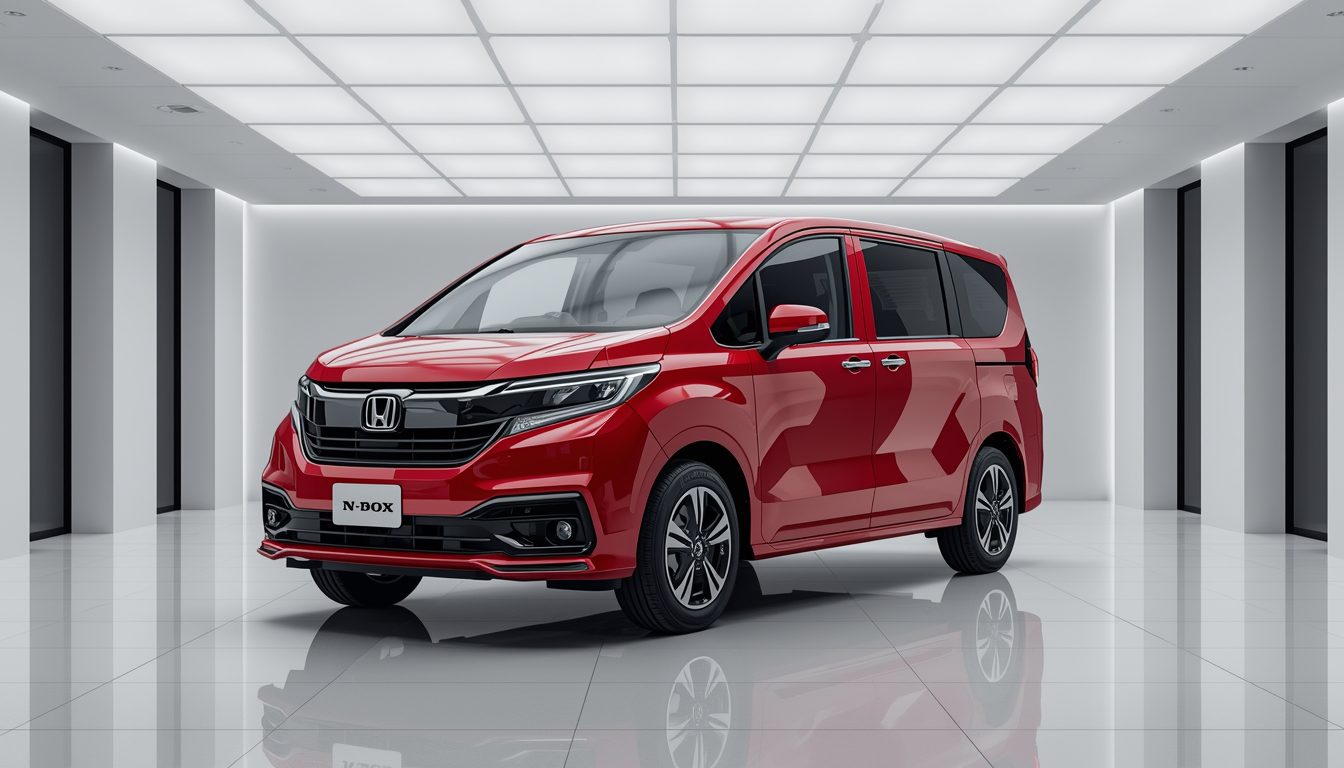
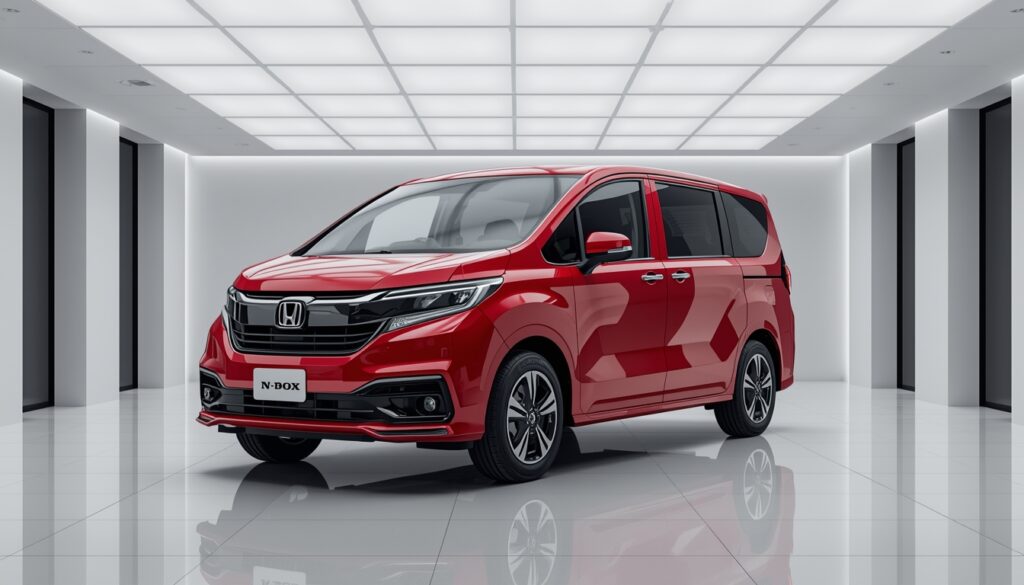
The 2026 Honda N‑Box Camper has just been unveiled, transforming one of Japan’s most beloved kei‑car platforms into a surprisingly versatile and adventure‑ready micro‑camper. Built on the trusted Honda N‑Box (a best‑selling urban mini‑van known for its roomy interior and fuel efficiency), the Camper variant brings new life to compact camping and weekend travel.

This isn’t just a casual concept – Honda is positioning the N‑Box Camper as a real‑world solution for city drivers who want a comfortable micro‑camper without the size, cost, or complexity of traditional RVs.

Here’s everything you need to know about the 2026 Honda N‑Box Camper – from design and features to everyday usability and why this could change the way people think about camping vans.

Mini Size, Maximum Practicality

The 2026 Honda N‑Box Camper is based on the ultra‑compact kei car regulations in Japan. That means it’s small – but every inch of space is thoughtfully optimized:

  • Boxy cabin maximizes usable interior volume
  • Sliding doors for easy access
  • Low floor for easy entry and load‑in
  • Large windows for visibility and natural light

Despite being compact, the camper conversion offers surprisingly useful space for two adults to sleep, relax, and store gear. This micro‑camper format works especially well in urban areas or where tight parking and narrow roads are common.

Honda’s engineers clearly focused on efficiency of space rather than oversized layouts.

2026 Honda N‑Box Camper interior

Inside the Honda N‑Box Camper, the transformation feels purposeful:

Convertible Sleeping Setup

Seats fold flat to create a sleeping area long enough for adults, with storage underneath for bedding and small gear.

Fold‑Out Utility Panel

Simple camping essentials – such as a mini tabletop, small sink area, or cooking surface — integrate neatly without permanent fixtures.

Flexible Storage Solutions

Compartments are well‑placed for daily items, outdoor gear, and even cycle accessories.

This interior isn’t just a converted van – it’s engineered for users who want quick, comfortable camping setups without tools or complicated mechanisms.

Engine and Performance That Matches the Concept

Like the standard N‑Box, the camper version is expected to use Honda’s fuel‑efficient engine setup, tuned for urban use and light highway cruising:

  • Compact, efficient petrol engine
  • Smooth automatic transmission
  • Front‑wheel‑drive or optional AWD (depending on market)

This isn’t a powerhouse, and that’s intentional. The N‑Box Camper prioritizes efficiency, reliability, and ease of driving – key traits for everyday commuting and weekend trips alike.

Fuel economy remains strong, and the camper setup keeps weight low enough to preserve handling and ride comfort.

Smart Features and Modern Technology

To support both daily driving and weekend getaways, Honda equips the N‑Box Camper with modern tech:

  • Large infotainment touchscreen
  • Smartphone connectivity
  • Digital instrument cluster
  • Built‑in navigation options
  • Safety systems like automatic braking and lane assist

Safety and convenience features help this micro‑camper remain practical, whether it’s parked at a campsite or navigating city streets.

2026 Honda N‑Box Camper Designed for Real‑World Adventures

The appeal of the 2026 Honda N‑Box Camper isn’t limited to road trips. Its compact footprint and clever use of space make it suitable for:

  • Urban weekend camping
  • Beach and lakeside outings
  • Daily errands with occasional travel
  • Bike, surf, or outdoor gear transport

This micro‑camper bridges the gap between a city car and a recreational vehicle, making casual outdoor adventures more accessible.

Why It Matters

The Honda N‑Box Camper represents a shift toward everyday adventure vehicles that don’t require big trucks or SUVs. It speaks directly to drivers who:

  • Live in cities with limited parking
  • Want a lower‑cost alternative to RV ownership
  • Prefer efficient, compact vehicles
  • Enjoy casual camping without complexity

It’s not designed for extreme off‑roading or extended wilderness expeditions – but for millions of drivers who want simple, joyful, affordable adventure travel, it hits the mark.

Final Verdict

The 2026 Honda N‑Box Camper reimagines what a micro‑camper can be. By combining the trusted practicality of the Honda N‑Box with smart interior design and adventure‑ready functionality, Honda has created a compact camper that is:

  • Practical for daily driving
  • Comfortable for overnight stays
  • Efficient and easy to use
  • Cleverly packed with camping‑friendly features

For anyone who loves weekend getaways, flexible travel, or smart automotive design, the 2026 N‑Box Camper is a refreshing and practical choice in the growing world of lifestyle‑focused vehicles.

2026 Volkswagen T1 Samba: Iconic Microbus Returns in Modern Style

2026 Volkswagen T1 Samba: Iconic Microbus Returns in Modern Style

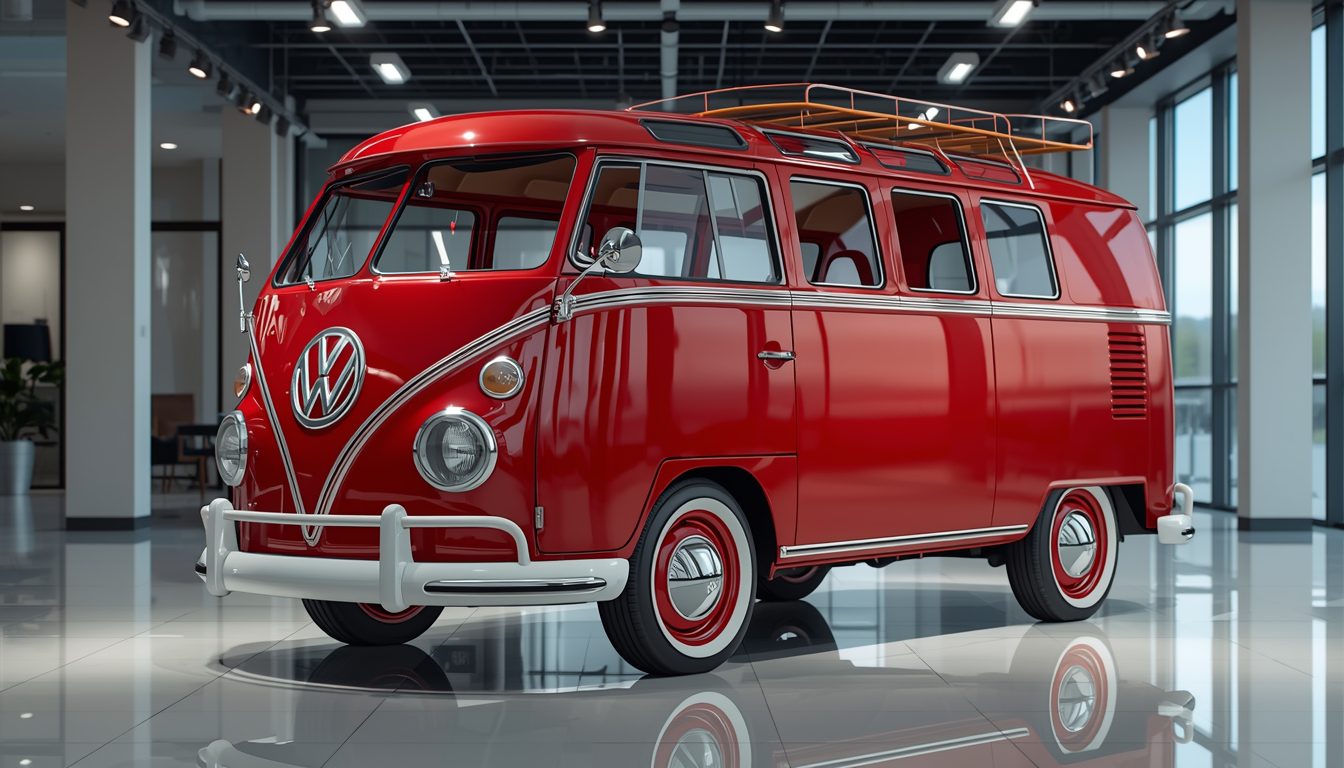
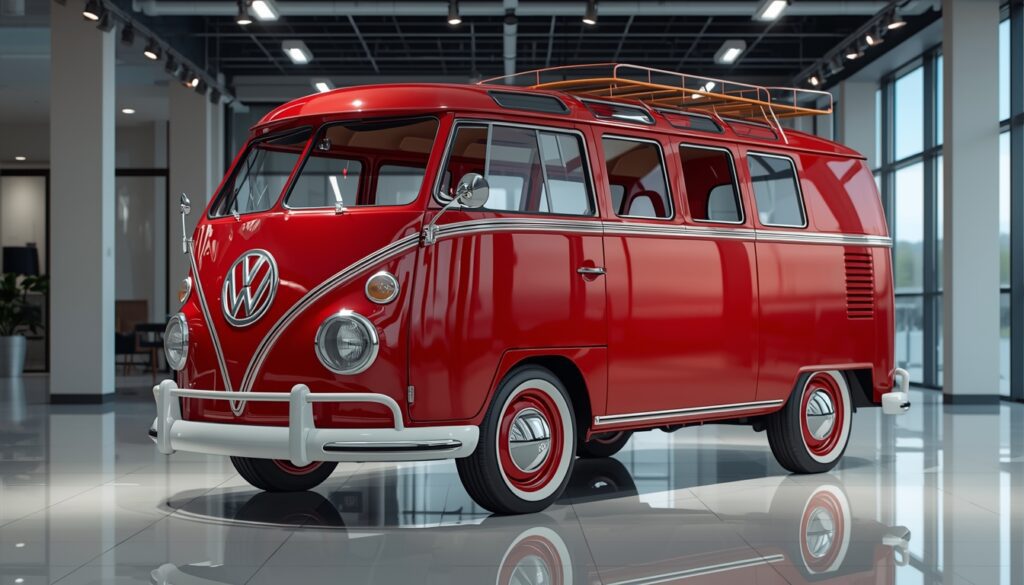
The 2026 Volkswagen T1 Samba brings back one of the most recognizable vans in automotive history -but with modern engineering, updated technology, and a renewed focus on comfort and sustainability.

Inspired by the legendary Volkswagen Type 2, often called the Samba Bus, the 2026 version blends retro charm with today’s performance expectations. Volkswagen understands the emotional value of the original model, and this new iteration respects that heritage while adapting to modern standards.

For enthusiasts, collectors, and lifestyle-focused buyers, this isn’t just a van – it’s a cultural symbol reborn.

Classic Design with Modern Refinement

The 2026 Volkswagen T1 Samba stays true to its roots with:

  • Two-tone exterior paint
  • Large panoramic windows
  • Rounded body shape
  • Prominent front VW badge

The iconic split-window look and extended glass roof panels reflect the classic Samba identity. However, beneath the nostalgic styling lies a redesigned platform built for improved safety and structural rigidity.

LED lighting replaces traditional bulbs, and aerodynamic refinements improve efficiency without compromising the vintage aesthetic.

Volkswagen’s design team has carefully balanced authenticity with practicality – ensuring the vehicle feels modern without losing its soul.

Modern Powertrain and Driving Experience

Unlike the original air-cooled engine of the 1960s, the 2026 version is expected to feature an electrified or fully electric drivetrain, aligned with Volkswagen’s global shift toward sustainability.

Performance priorities include:

  • Smooth acceleration
  • Quiet cabin operation
  • Improved torque delivery
  • Low emissions

If built on Volkswagen’s modern EV architecture, similar to the Volkswagen ID. Buzz, the T1 Samba would offer strong urban drivability and practical range for daily use.

The focus is not on speed – but on comfort, efficiency, and relaxed cruising.

Spacious Interior Designed for Lifestyle

One of the original Samba’s strongest appeals was space – and the 2026 version continues that tradition.

Inside, buyers can expect:

  • Flexible seating layouts
  • Premium upholstery options
  • Large panoramic glass roof
  • Modern infotainment system
  • Digital instrument cluster

The interior is likely to blend minimalist modern design with retro-inspired details. Sustainable materials may also play a role, reflecting Volkswagen’s environmental goals.

This van is built for road trips, family outings, and lifestyle-driven travel-not just commuting.

Technology and Safety Improvements

The 2026 Volkswagen T1 Samba integrates modern driver assistance systems that were unimaginable in the original model.

Expected features include:

  • Adaptive cruise control
  • Lane-keeping assist
  • Blind-spot monitoring
  • Emergency braking
  • 360-degree camera system

Advanced connectivity options such as wireless smartphone integration and over-the-air updates ensure long-term usability.

Volkswagen’s approach ensures that while the design looks nostalgic, the technology is fully contemporary.

Heritage and Cultural Significance

The original Volkswagen T1 Samba became a symbol of freedom, travel, and community in the 1950s and 1960s. It represented a lifestyle movement rather than just transportation.

Bringing it back in 2026 is more than a product decision – it is a strategic move to reconnect with heritage while appealing to modern buyers who value authenticity.

Few vehicles carry this level of emotional recognition across generations.

Who Is It For?

The 2026 T1 Samba is ideal for:

  • Families seeking a unique lifestyle vehicle
  • EV buyers wanting retro design
  • Collectors of classic-inspired vehicles
  • Travelers and camping enthusiasts

It is not meant to compete with performance SUVs or commercial vans. Instead, it occupies a niche lifestyle segment.

Market Position and Expectations

With rising demand for electric lifestyle vehicles, the T1 Samba could stand out by combining nostalgia with sustainability.

While pricing details are yet to be confirmed, it is expected to sit in the premium van segment due to its heritage value and modern technology.

If positioned correctly, it could become one of the most talked-about lifestyle vehicles of 2026.

Final Verdict

The 2026 Volkswagen T1 Samba represents a thoughtful revival of an automotive icon. By blending classic styling with electric innovation, modern safety systems, and lifestyle-focused practicality, Volkswagen has the opportunity to create something truly special.

It is not about speed or performance numbers. It is about experience, design heritage, and emotional connection.

If Volkswagen delivers on its promise, the 2026 T1 Samba could once again become a symbol of freedom this time for a new electric era.

BMW M4 2026 Review: Specs, Performance & Features

BMW M4 2026 Review Specs, Performance & Features
new BMW 2026

upcoming BMW cars

2026 performance cars

luxury coupe 2026

fast BMW models
2026 BMW M4 specs

BMW M4 3.0L TwinPower Turbo

BMW M4 performance coupe

BMW M4 interior features

BMW M4 price 2026

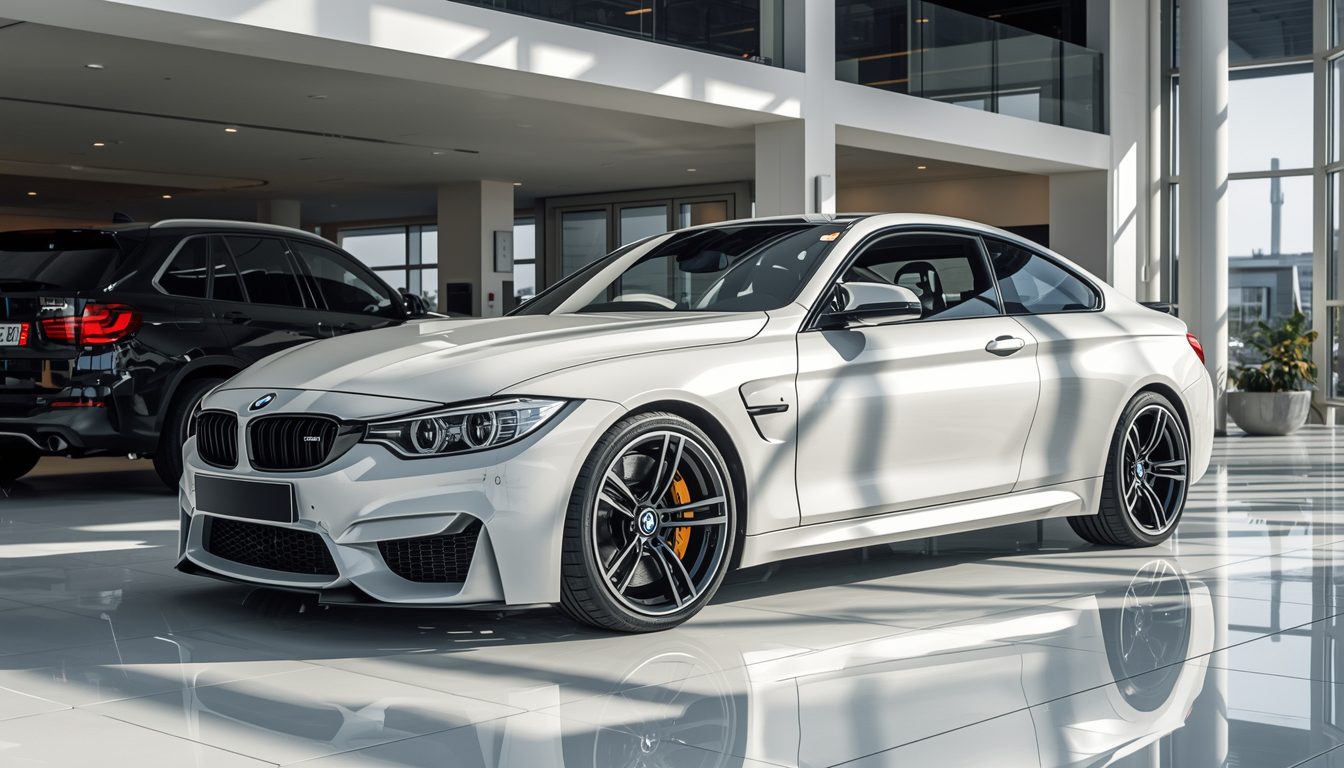
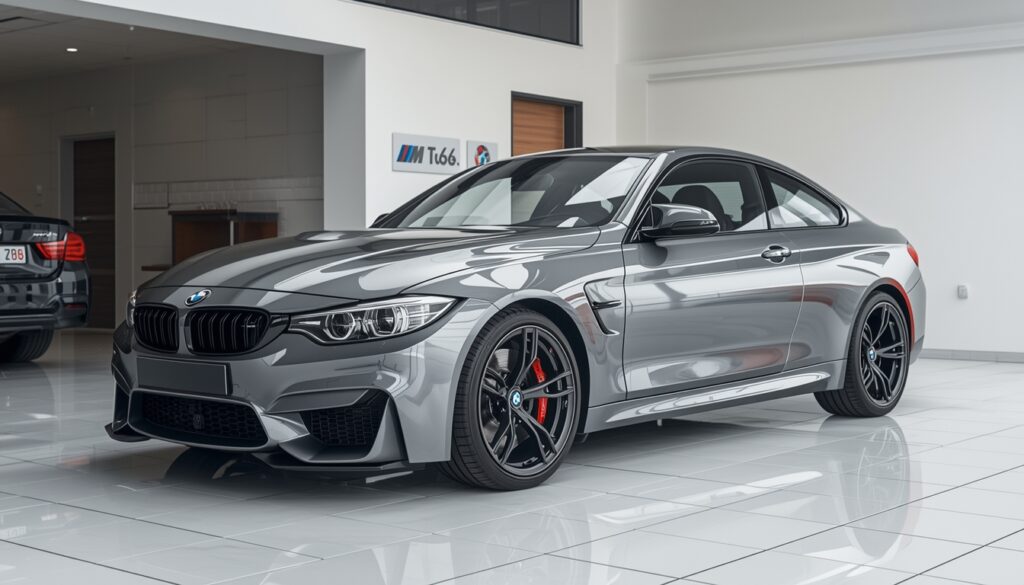
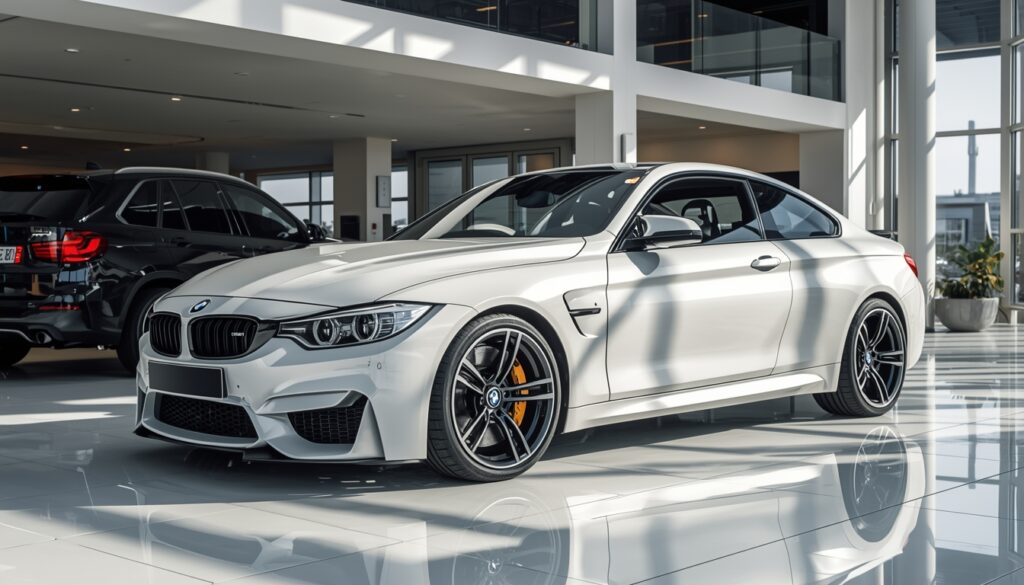
The BMW M4 2026 returns as a smarter and more refined version of BMW’s famous performance coupe. Instead of changing everything, BMW has improved what already works — better handling, smoother power delivery, updated technology, and small design upgrades.

This car is made for people who love driving but also want comfort for everyday use.

Clean and Sporty Exterior Design

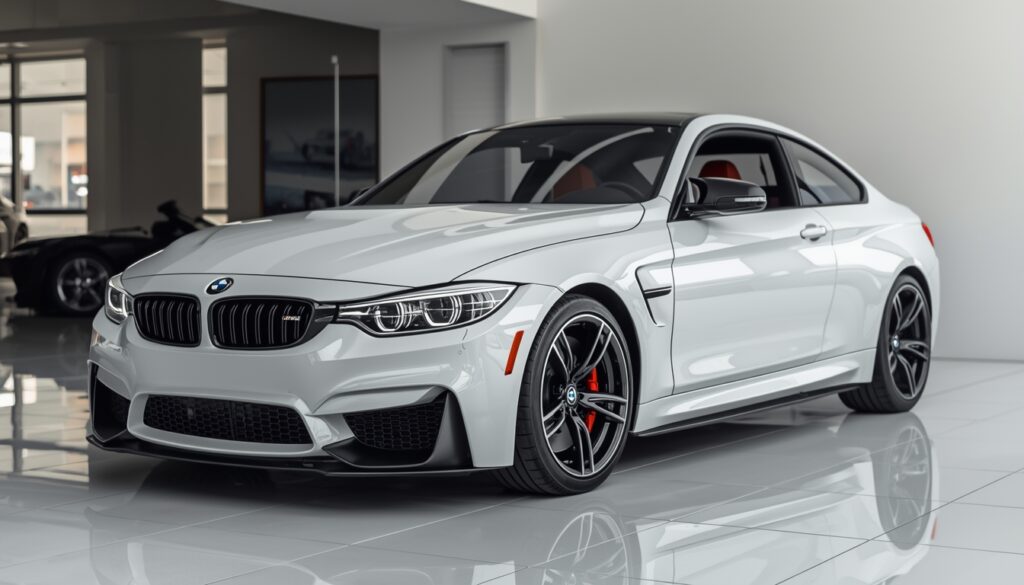
The 2026 M4 keeps its classic coupe shape with a long hood and short rear. This gives the car a strong and sporty look.

BMW has slightly updated the front grille and LED headlights to make the car look sharper and more modern. The wide body, muscular rear fenders, and quad exhaust tips give it an aggressive road presence. At the same time, the design still looks premium and elegant — not overdone.

The updates are small but meaningful, improving both style and aerodynamics.

Strong 3.0L Turbo Engine Performance

BMW M4 2026 Review Specs, Performance & Features
new BMW 2026

upcoming BMW cars

2026 performance cars

luxury coupe 2026

fast BMW models
2026 BMW M4 specs

BMW M4 3.0L TwinPower Turbo

BMW M4 performance coupe

BMW M4 interior features

BMW M4 price 2026

Under the hood, the 2026 M4 uses a 3.0-liter TwinPower Turbo inline-six engine. This engine is well known for delivering strong acceleration and smooth power.

BMW has improved throttle response, so the car feels quicker and more responsive when you press the pedal. The engine produces strong mid-range torque, which makes highway driving and overtaking easy.

The best part? It feels powerful without being difficult to control. That balance is what makes the M4 special.

Better Handling and Driving Feel

BMW has fine-tuned the suspension and steering for 2026. The result is better cornering stability and improved ride comfort.

The steering feels sharp and direct, helping the driver stay connected to the road. The car remains stable at high speeds and confident in tight turns.

Whether you’re driving daily or pushing harder on open roads, the M4 feels controlled and balanced.

Comfortable and Premium Interior

Inside, the M4 combines luxury with sporty design.

You’ll find high-quality leather, soft-touch materials, and performance-inspired trim. The seats provide strong support during fast driving but remain comfortable for long trips.

The dashboard layout is focused on the driver, making controls easy to reach and simple to use.

It feels premium, modern, and built with attention to detail.

Modern Technology Made Simple

BMW M4 2026 Review Specs, Performance & Features
new BMW 2026

upcoming BMW cars

2026 performance cars

luxury coupe 2026

fast BMW models
2026 BMW M4 specs

BMW M4 3.0L TwinPower Turbo

BMW M4 performance coupe

BMW M4 interior features

BMW M4 price 2026

The 2026 M4 features a large digital display that combines infotainment and driving information in one place.

You get:

  • Navigation system
  • Smartphone connectivity
  • Real-time driving data
  • Wireless integration

BMW has kept the system clean and easy to understand, so it does not distract from driving.

Advanced Safety Features

Safety is also important in the 2026 M4.

The car includes:

  • Adaptive cruise control
  • Lane monitoring
  • Blind-spot detection
  • Automatic emergency braking

These features work quietly in the background, helping the driver without reducing the fun of driving.

Practical Enough for Daily Use

Even though it is a high-performance coupe, the M4 is practical.

It offers comfortable seating, decent trunk space, and smooth ride modes for daily commuting. You can use it for work during the week and enjoy spirited driving on weekends.

That mix of performance and practicality makes it very appealing.

Final Verdict

The 2026 BMW M4 continues to be one of the best performance coupes in its class. It offers strong turbocharged power, sharp handling, premium comfort, and modern technology — all in one stylish package.

BMW did not try to completely change the M4. Instead, they improved it where it matters most. The result is a sports coupe that feels powerful, refined, and ready for everyday life.

For drivers who want excitement without sacrificing comfort, the 2026 M4 remains a smart and thrilling choice.

Best new car lease deals February 2026

Best car lease deals Honda Civic lease Nissan Sentra lease Ford Explorer lease Infiniti QX60 lease GMC Canyon lease Subaru WRX lease Mini Countryman lease SUV lease deals Truck lease deals
Best new car lease deals February 2026

Car shoppers searching for the best new car lease deals February 2026 have plenty of options. Low-cost leases under $499 per month with reasonable signing payments make it easier to get behind the wheel of a new vehicle. Whether you want a compact sedan, SUV, truck, or performance car, February 2026 offers deals worth considering.

Best Sedan Lease Deals

Honda – 2026 Honda Civic Hybrid

$299 per month / $4,099 at signing (36 months, 30,000 miles)
The Civic Hybrid Sport Touring hatchback is one of the most attractive options in the best new car lease deals February 2026 list. With heated leather seats, Google-based infotainment, and a sunroof, it balances comfort, fuel efficiency, and performance. Honda offers $30 per month off for loyalty or competing brand owners.

Nissan – 2026 Nissan Sentra

$219 per month / $2,429 at signing (39 months, 32,500 miles)
The refreshed Nissan Sentra SV delivers low monthly payments, remote start, and a digital instrument panel. Its affordability makes it one of the top sedan options in February 2026 for those hunting the best new car lease deals.

Best car lease deals
Honda Civic lease
Nissan Sentra lease
Ford Explorer lease
Infiniti QX60 lease
GMC Canyon lease
Subaru WRX lease
Mini Countryman lease
SUV lease deals
Truck lease deals

Best SUV Lease Deals

Ford – 2026 Ford Explorer

$499 per month / $1,498 at signing (36 months, 30,000 miles)
The Explorer Active trim with all-wheel drive and Comfort package is ideal for families. Heated steering wheel, power passenger seat, and second-row climate control enhance convenience. This SUV is a must-watch in the best new car lease deals February 2026 for three-row models.

Infiniti – 2026 Infiniti QX60

$499 per month / $4,699 at signing (27 months, 22,500 miles)
Infiniti’s QX60 Luxe trim now offers lower signing payments, making it competitive against other three-row SUVs. Premium interior materials and safety features make it a standout deal this February.

Best car lease deals
Honda Civic lease
Nissan Sentra lease
Ford Explorer lease
Infiniti QX60 lease
GMC Canyon lease
Subaru WRX lease
Mini Countryman lease
SUV lease deals
Truck lease deals

Best Truck Lease Deals

GMC – 2026 GMC Canyon

$269 per month / $3,579 at signing (36 months, 30,000 miles)
The 4WD Elevation crew cab with a short bed combines capability and affordability. For pickup truck buyers, this is one of the top best new car lease deals February 2026 available.

Best Performance Car Lease Deals

Subaru – 2025 Subaru WRX

$369 per month / $369 at signing (36 months, 30,000 miles)
The WRX Premium trim offers a six-speed manual transmission and strong performance. It’s the best lease deal for enthusiasts looking for value in February 2026.

Mini – 2025 Mini Countryman

$319 per month / $3,970 at signing (39 months, 24,375 miles)
The Countryman S provides all-wheel drive, adaptive cruise, and navigation, making it a solid pick in the best new car lease deals February 2026 list for compact luxury SUVs.

Final Verdict

The best new car lease deals February 2026 cover sedans, SUVs, trucks, and performance cars. Budget-conscious buyers should consider the Nissan Sentra or Honda Civic Hybrid. Families may prefer the Ford Explorer or Infiniti QX60. Truck shoppers will love the GMC Canyon, while performance enthusiasts have excellent options with the Subaru WRX and Mini Countryman.

February 2026 offers many low-cost lease opportunities that balance affordability, features, and practicality. Always verify local pricing and availability before signing a lease.

Kia K4 vs Honda Civic Sport Hybrid Hatchback Comparison

Kia K4 vs Honda Civic K4 GT Line vs Civic Kia K4 hatchback 2026 Kia K4 Kia K4 hybrid Honda Civic Sport Hybrid
Kia K4 vs Honda Civic

K4 GT Line vs Civic

Kia K4 hatchback

2026 Kia K4

Kia K4 hybrid

Honda Civic Sport Hybrid

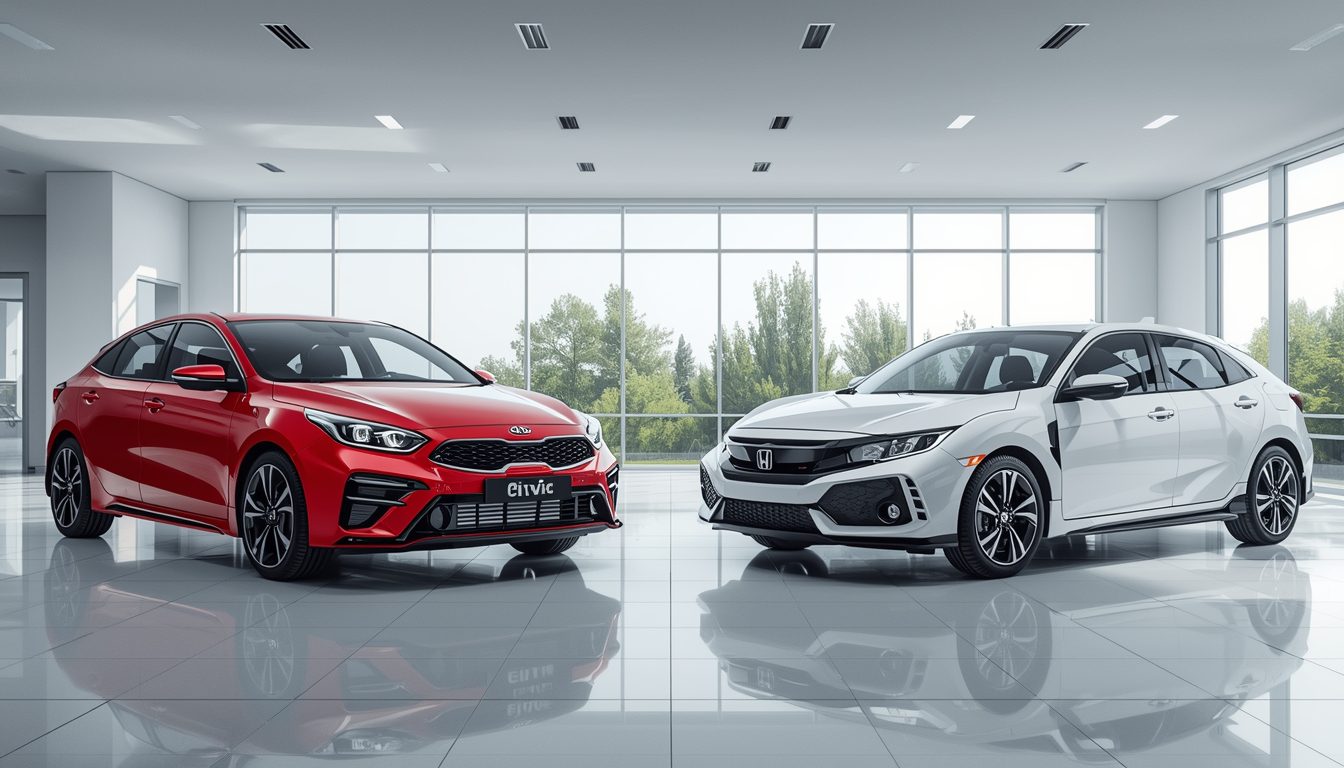
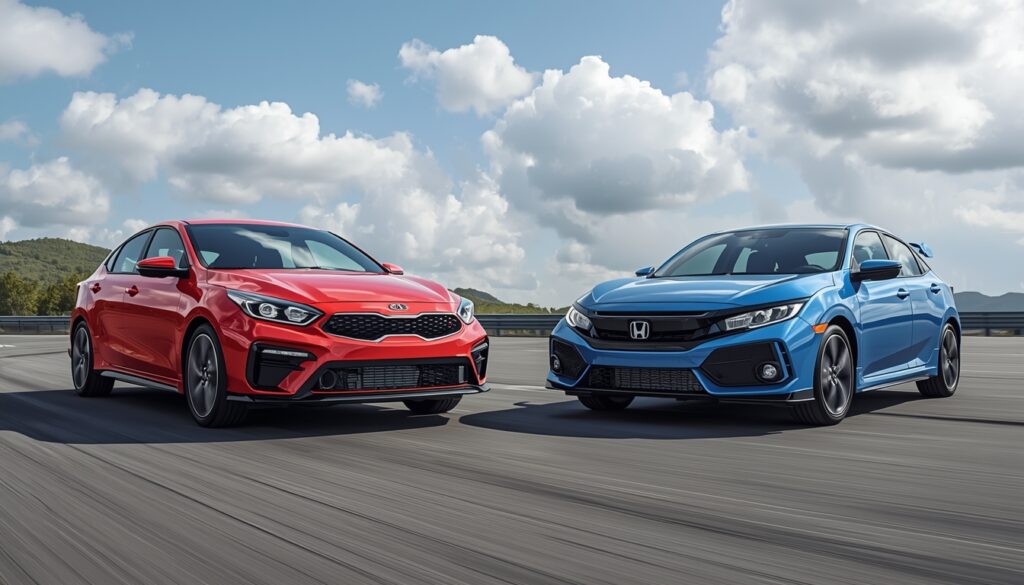
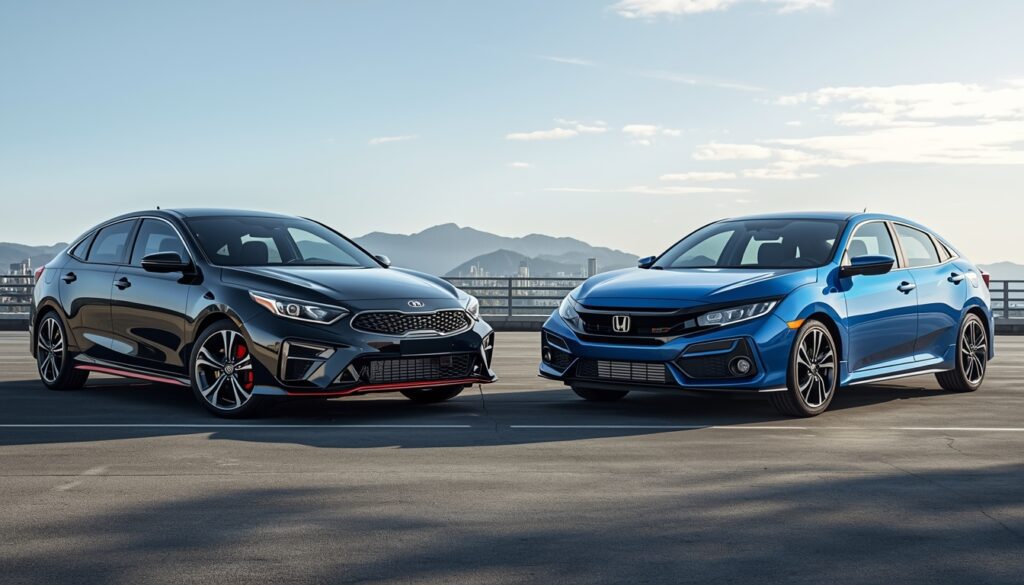
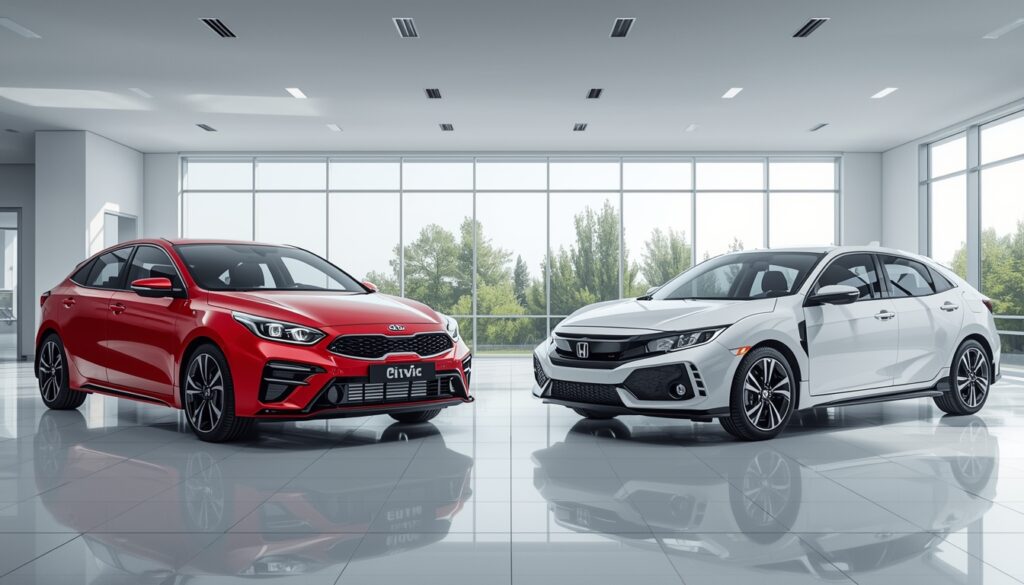
The compact hatchback battle continues with the Kia K4 GT-Line Turbo facing the Honda Civic Sport Hybrid hatchback. Both models target buyers who want modern styling, strong efficiency, and competitive performance. While power figures are close, their engineering approach creates noticeable differences on the road.

The Kia K4 GT-Line Turbo uses a turbocharged gasoline engine. The Honda Civic Sport Hybrid relies on an electrified system for smoother delivery. On paper, the numbers look similar, but real-world performance tells a deeper story.

Kia K4 vs Honda Civic Dimensions

When comparing Kia K4 vs Honda Civic dimensions, both vehicles sit on similar wheelbases. The Kia K4 hatchback keeps a 107.1-inch wheelbase, while the Civic hatchback remains close with its slightly longer setup.

Cargo space is competitive. The Kia K4 hatchback offers around 22 cubic feet behind the rear seats. The Honda Civic provides roughly 25 cubic feet on paper. Rear passenger space is practical in both models, though visibility feels slightly better in the Civic.

Overall proportions are sporty in each case. The Kia K4 hatchback looks more aggressive, while the Civic leans toward a cleaner, mature design.

Kia K4 vs Honda Civic

K4 GT Line vs Civic

Kia K4 hatchback

2026 Kia K4

Kia K4 hybrid

Honda Civic Sport Hybrid

K4 GT Line vs Civic Comparison

In a direct K4 GT Line vs Civic comparison, performance becomes the key separator. The Kia K4 GT-Line Turbo produces 190 horsepower from a 1.6-liter turbocharged engine. It uses an eight-speed automatic transmission.

The Honda Civic Sport Hybrid generates 200 horsepower through its hybrid system. Acceleration feels smoother and more responsive, especially in city driving. The Civic also delivers stronger passing performance.

Steering and chassis tuning favor the Honda. The Kia focuses more on comfort, which slightly reduces its sporty feel.

Kia K4 Hatchback

The Kia K4 hatchback stands out for bold styling and a tech-focused interior. A large digital display dominates the dashboard. Available features include ventilated seats, surround-view cameras, and advanced driver-assistance systems.

While the cabin looks impressive, usability can feel less intuitive. Some controls require extra attention while driving. Still, the Kia K4 hatchback remains attractive for buyers who prioritize design and features.

Kia K4 vs Honda Civic

K4 GT Line vs Civic

Kia K4 hatchback

2026 Kia K4

Kia K4 hybrid

Honda Civic Sport Hybrid

Kia K5

The Kia K5 plays a different role in Kia’s lineup as a midsize sedan. Compared to the Kia K4 hatchback, the K5 offers more interior space and stronger engine options in certain trims. However, it does not directly compete in the compact hatchback category.

Buyers deciding between the Kia K4 and Kia K5 should consider size needs and driving preferences. The K4 focuses on compact practicality, while the K5 leans toward midsize comfort.

Compare Kia K4 and Honda Civic

When buyers compare Kia K4 and Honda Civic models, value and reliability often come into focus. The Kia K4 delivers strong feature content for the price. The Honda Civic counters with proven reliability and refined driving dynamics.

Fuel efficiency also favors the Honda Civic Sport Hybrid due to its electrified system. The Kia K4 GT-Line Turbo provides respectable efficiency but cannot fully match hybrid economy.

In daily driving, the Civic feels more balanced. The Kia K4 feels more expressive in styling and interior design.

2026 Kia K4

The 2026 Kia K4 continues to refine the formula with updated styling and improved packaging. It keeps the turbocharged engine option while maintaining competitive pricing.

The 2026 Kia K4 aims to attract younger buyers who want aggressive looks and advanced tech without stepping into a higher price bracket.

Kia K4 Hybrid

A Kia K4 hybrid variant would strengthen Kia’s position in the compact segment. While the current GT-Line Turbo focuses on gasoline performance, a hybrid model could compete more directly with the Honda Civic Sport Hybrid.

If introduced, a Kia K4 hybrid would likely improve fuel efficiency and smoothness while maintaining the bold design language of the lineup.

Final Verdict

The Kia K4 GT-Line Turbo impresses with modern styling, strong features, and competitive pricing. It appeals to buyers who value technology and bold design.

The Honda Civic Sport Hybrid hatchback delivers smoother acceleration, better fuel efficiency, and more refined handling. It feels more complete from a driving perspective.

For style and features, the Kia K4 hatchback stands out. For performance balance and hybrid efficiency, the Honda Civic Sport Hybrid remains the smarter overall choice.

Rivian R2 Production to Begin in Q2 2026 as Sales Target Set at 20,000 Units

Rivian R2 production 2026 Rivian R2 Q2 2026 production Rivian R2 20,000 sales target Rivian R2 launch edition 2026 Rivian R2 Normal Illinois production Rivian R2 dual motor specs Rivian R2 300 mile range
Rivian R2 production

Rivian R2 2026

Rivian R2 sales target

Rivian R2 Q2 2026

Rivian R2 price

Rivian R2 range

Rivian R2 deliveries
Rivian R2

Rivian has confirmed that production of its highly anticipated Rivian R2 compact electric SUV will officially begin in the second quarter of 2026. While this marks a major milestone for the company, full-scale production will not happen immediately. Instead, manufacturing will ramp up gradually, with volume production expected to accelerate in the second half of the year. The R2 is widely seen as a crucial model for Rivian’s long-term growth, especially as the company works to expand beyond its premium R1 lineup and reach a broader customer base.

Production Strategy and Factory Expansion

Initial production of the Rivian R2 will take place at Rivian’s Normal, Illinois facility, starting with a launch edition model built on a single shift. As demand increases and operations stabilize, a second shift will be added later in 2026 to boost output. The Illinois plant has already been expanded and is now capable of producing up to 215,000 vehicles annually, including as many as 155,000 R2 units at full capacity. This structured ramp-up strategy allows Rivian to maintain quality control while scaling production efficiently, something that has challenged many EV startups in the past.

Delivery Projections for Rivian R2 2026

Rivian expects total deliveries across its lineup to reach between 62,000 and 67,000 vehicles in 2026. Sales of the R1S SUV, R1T pickup, and Rivian’s commercial electric van are projected to remain similar to 2025 levels, when the company delivered just over 42,000 units combined. Based on these projections, the R2 is expected to account for approximately 20,000 to 25,000 deliveries in its first production year. Considering production begins mid-year, this is a realistic and measured forecast rather than an aggressive push.

Why the R2 Matters for Rivian’s Future

First revealed in 2024, the Rivian R2 is designed to be smaller and more affordable than the R1 models, making it more accessible to mainstream buyers. With a targeted starting price around $45,000, the R2 could significantly expand Rivian’s customer base. The company expects the R2 to become its best-selling model by the end of 2027, potentially making up the majority of total sales. In addition to expanding its Illinois plant, Rivian is also building a new manufacturing facility in Georgia to support future R2 production and other upcoming models later in the decade.

Expected Performance and Features

Although official pricing has not yet been finalized, early estimates suggest the base version will start in the mid-$40,000 range, while launch edition models will likely carry a higher price tag. The Rivian R2 is expected to offer around 300 miles of driving range along with a dual-motor all-wheel-drive setup producing approximately 656 horsepower. Rivian has also announced plans for a single-motor entry-level variant and a high-performance tri-motor version, giving buyers multiple configuration options. If these specifications are confirmed, the R2 could offer a strong balance of performance, range, and value in the competitive electric SUV market.

Final Verdict

The Rivian R2 is more than just another electric SUV—it represents a strategic shift toward higher-volume production and mainstream adoption for Rivian. While 20,000 to 25,000 deliveries in 2026 may seem modest, the long-term production capacity and pricing strategy suggest much bigger ambitions. If Rivian successfully ramps up production, maintains quality, and keeps pricing competitive, the R2 could become the company’s breakthrough model and a serious contender in the global EV market by 2027.

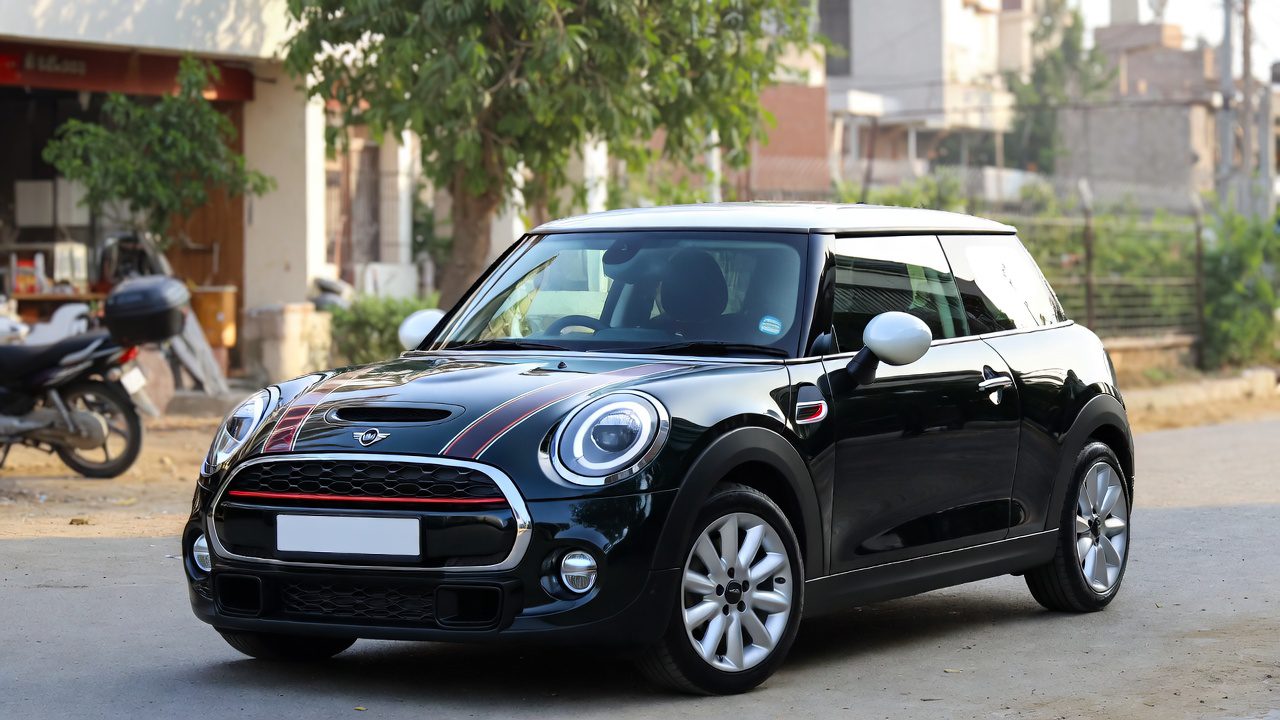
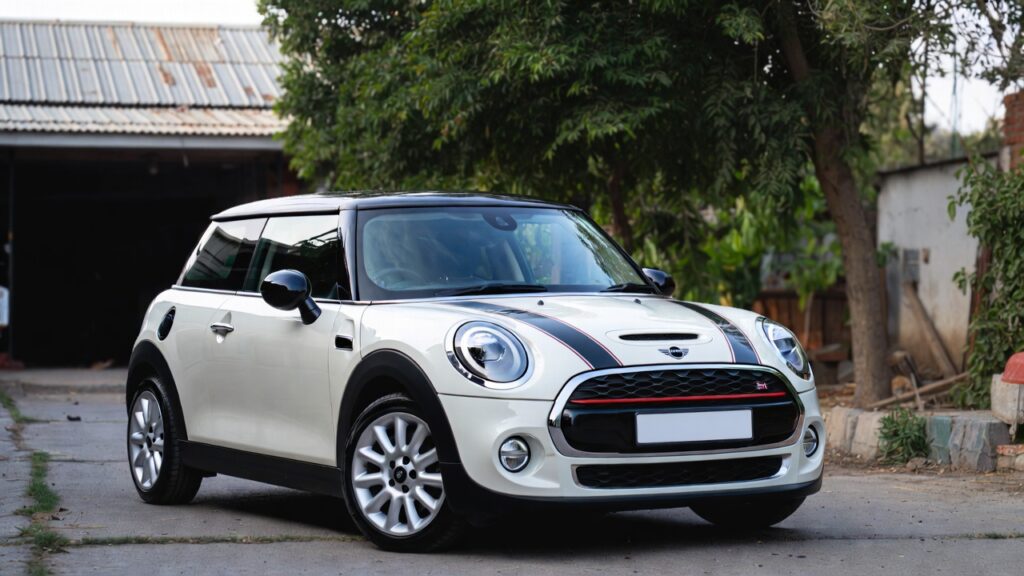
MINI Cooper Finally Arrives in Pakistan Price,Specs and Models in this Car

MINI Cooper Finally Arrives in Pakistan Price,Specs and Models in this Car

British premium car brand MINI Cooper has officially entered the Pakistani market. The launch introduces three exciting models for local buyers in the luxury compact segment.

The debut has been made possible through Dewan Motors, the authorized importer of BMW vehicles in Pakistan. With this move, MINI now operates locally under the umbrella of the BMW Group.

MINI Models Now Available in Pakistan

The company has launched three models in its initial lineup. These include the MINI Cooper, the MINI Countryman, and the fully electric MINI Aceman.

These vehicles combine premium design, modern technology, and compact performance. Buyers can choose between electric and petrol powertrains depending on their preference.

MINI Cooper Electric Variants and Prices

The new-generation MINI Cooper is available in two electric variants in Pakistan.

The Cooper E is priced at PKR 17,500,000, with a booking amount of PKR 1,750,000.

The Cooper SE is priced at PKR 19,200,000, requiring a booking of PKR 1,920,000.

These electric variants are aimed at customers looking for a premium EV experience in the compact category.

MINI Cooper Petrol Variants and Prices

For petrol engine lovers, MINI is offering two Cooper C variants.

The F66 3-door MINI Cooper C comes with a price tag of PKR 23,600,000 and a booking amount of PKR 2,360,000.

The F65 5-door MINI Cooper C is priced at PKR 24,500,000, with a booking requirement of PKR 2,450,000.

Booking and Delivery Details

Bookings for all models are now open with a 10% down payment of the total vehicle price.

According to the company, deliveries are expected between August and September.

Final Verdict

The official entry of MINI into Pakistan adds a fresh premium compact option to the local automotive market. With electric and petrol variants available, competitive pricing, and strong backing from BMW Group, the brand is positioned to attract urban luxury buyers seeking style, performance, and exclusivity.

Hyundai New Car Launches in Pakistan 2026: Exciting Updates and Upcoming Models

Hyundai New Car Launches in Pakistan 2026: Exciting Updates and Upcoming Models

Hyundai Nishat Motor continues to strengthen its presence in Pakistan with a lineup focused on hybrids, premium sedans, and spacious SUVs.

As of February 2026, the brand offers reliable options while building excitement for major additions.

The Upcoming Hyundai Palisade Hyundai New Car Launches in Pakistan

The all-new 2026 Hyundai Palisade stands out as the most anticipated launch.

Hyundai Nishat is preparing to introduce this premium 7-seater full-size SUV in Pakistan during Q1 2026.

It features bold exterior design, refined interiors, advanced safety tech, and family-oriented comfort.

The Palisade could arrive before rivals like the GWM Tank 500, boosting competition in the high-end SUV segment.

Expect spacious three-row seating and premium features ideal for large families and long drives.

Hyundai New Car Launches in Pakistan 2026: Exciting Updates and Upcoming Models

Recent Launches: Tucson Hybrid and More

The Tucson Hybrid has officially launched across Pakistan, marking a key addition to the SUV range.

Available in variants like Smart FWD and Signature AWD, it delivers efficient hybrid performance with bold styling.

Prices start from around PKR 11.22 million, with nationwide deliveries underway.

Hyundai also provides flexible EMI plans for models like the Tucson Hybrid to make ownership easier.

Current Lineup Highlights

Hyundai’s available models cater to various needs with local assembly benefits.

The Elantra Hybrid starts from PKR 9.895 million as a fuel-efficient sedan option.

The Sonata ranges from PKR 10.33 million to PKR 16.52 million, including the sporty N Line.

Santa Fe offers premium SUV appeal from PKR 12.45 million to PKR 13.895 million.

Commercial choices like the H-100 remain practical starting around PKR 4.395 million.

Why Hyundai’s Strategy Appeals to Pakistani Buyers

Hybrids address rising fuel costs with better efficiency and lower running expenses.

Premium features, advanced tech, and local support suit urban commutes and highway travel.

The anticipated Palisade launch adds luxury appeal for families upgrading their vehicles.

Looking Forward in 2026

Hyundai Nishat’s focus on hybrids and flagship SUVs signals strong growth.

The Palisade could redefine premium mobility in Pakistan upon arrival.

For the latest details, visit official Hyundai Nishat dealerships or their website.

2026 promises more innovative choices for car enthusiasts nationwide!

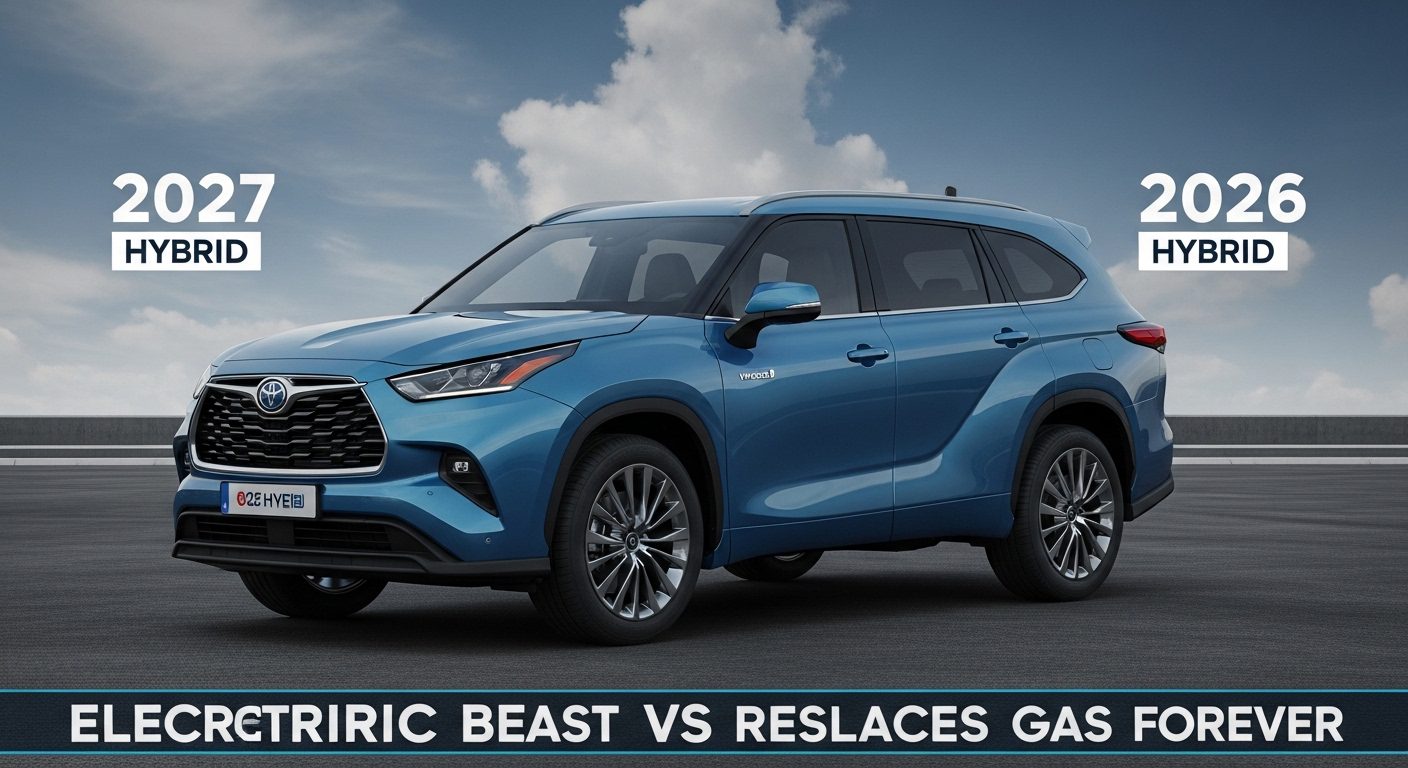
2027 Highlander EV vs 2026 Hybrid: 338HP Electric Replaces Gas Forever

2027 Highlander EV vs 2026 Hybrid: 338HP Electric Replaces Gas Forever

Why 2027 Highlander vs 2026 Hybrid Comparison Matters

The 2027 Highlander vs 2026 Hybrid debate is heating up as Toyota eliminates gas options entirely. Toyota just unveiled the all-new 2027 Highlander featuring sleek, modern lines, an electric powertrain, and a spacious three-row cabin. U Hipertextualnderstanding the 2027 Highlander EV vs 2026 Hybrid differences helps buyers make smart purchasing decisions before the gas model disappears forever.

2027 Highlander EV vs 2026 Hybrid Power Comparison

When comparing 2027 Highlander vs 2026 Hybrid power outputs, the electric model dominates. The base Highlander XLE comes with a 77-kilowatt-hour battery pack and a front-mounted electric motor making 221 horsepower and 198 pound-feet of torque. T Toyota USAhe 2026 Hybrid produces 243 horses, making this 2027 Highlander EV vs 2026 Hybrid matchup closer than expected for base models.

The same 77-kWh battery and XLE trim can be had with a dual-motor, all-wheel drive powertrain making 338 hp and 323 lb-ft of torque. T Toyota USAhis changes the 2027 Highlander EV vs 2026 Hybrid power equation dramatically, with the electric AWD version delivering 95 more horsepower than any 2026 Hybrid configuration.

2027 Highlander vs 2026 Hybrid Range Analysis

The 2027 Highlander vs 2026 Hybrid range comparison reveals interesting trade-offs. A 95.8-kWh battery pack is optional on the XLE AWD and standard on the Limited, which is only offered with the dual-motor setup. B Toyotaoth 2027 Highlander EV configurations with larger batteries deliver 320 miles of estimated range versus the 2026 Hybrid.

The 2026 Hybrid achieves about 615 miles total range when combining its 36 MPG rating with the 17.9-gallon fuel tank. The 2027 Highlander EV vs 2026 Hybrid range debate favors gas for total distance, but EV wins for daily driving costs and convenience with home charging.

2027 Highlander vs 2026 Hybrid Price Difference

The 2027 Highlander vs 2026 Hybrid pricing gap will be substantial. Production of the 2027 Highlander will kick off later this year at Toyota’s factory in Kentucky, with sales expected to begin in late 2026. E Toyota USAxpect the 2027 Highlander EV vs 2026 Hybrid price difference to be $8,000-$12,000, with the EV starting around $55,000 compared to the Hybrid’s $44,000 base.

The 2027 Highlander vs 2026 Hybrid total cost of ownership changes the equation. Federal tax credits up to $7,500 could narrow the 2027 Highlander EV vs 2026 Hybrid price gap significantly, and lower fuel costs favor the electric model over five years of ownership.

2027 Highlander vs 2026 Hybrid Size Differences

The 2027 Highlander vs 2026 Hybrid physical dimensions changed noticeably. Toyota lowered the EV’s roofline by a little under an inch to 67.3 inches but increased the width to 78.3 inches. T Notebookcheckhe 2027 Highlander EV vs 2026 Hybrid comparison shows the electric model sits lower and wider for improved aerodynamics.

The wheelbase grew by a substantial 8.1 inches, now measuring 120.1 inches. T Notebookcheckhis 2027 Highlander vs 2026 Hybrid wheelbase difference creates more interior space despite the lower roofline, particularly benefiting third-row passengers with additional legroom.

2027 Highlander EV vs 2026 Hybrid Technology Features

The 2027 Highlander vs 2026 Hybrid tech comparison heavily favors the new electric model. The new model sports a 12.3-inch digital gauge cluster and a 14.0-inch touchscreen, both larger than their outgoing counterparts. T Notebookcheckhe 2026 Hybrid uses an 8-inch or 12.3-inch screen depending on trim, making the 2027 Highlander vs 2026 Hybrid infotainment experience noticeably different.

The electric Highlander comes with a Tesla-style NACS charging port from the factory. T Toyota USAhis gives the 2027 Highlander vs 2026 Hybrid comparison a decisive advantage for electric, as buyers get instant Supercharger network access that the Hybrid obviously lacks.

2027 Highlander EV vs 2026 Hybrid Charging vs Refueling

The 2027 Highlander vs 2026 Hybrid refueling experience differs completely. Toyota estimates charging from 10 percent to 80 percent takes around 30 minutes on DC fast chargers. T Toyota USAhe 2026 Hybrid refuels in five minutes at any gas station, giving the 2027 Highlander EV vs 2026 Hybrid convenience battle to the gas model for road trips.

An 11-kilowatt onboard charger handles overnight charging for the 2027 Highlander EV vs 2026 Hybrid daily driving needs. Most 2027 Highlander EV buyers will charge at home, making the 2027 Highlander EV vs 2026 Hybrid comparison favor electric for daily commuters who never visit gas stations.

2027 Highlander EV vs 2026 Hybrid Manufacturing Location

The 2027 Highlanders 2026 Hybrid production strategy changed completely. The new Highlander is Toyota’s first three-row EV for the U.S. market and the first electric car built at one of its American factories. T Toyota USAhe 2026 Hybrid was assembled in Indiana, but the 2027 Highlander EV vs 2026 Hybrid sourcing difference means the EV uses Kentucky-built batteries from Toyota’s new North Carolina plant.

This 2027 Highlander vs 2026 Hybrid domestic production approach could make the electric model eligible for full federal tax credits, while the Hybrid received partial credits. The 2027 Highlander EV vs 2026 Hybrid tax incentive difference could save buyers an additional $3,750.

2027 Highlander EV vs 2026 Hybrid Cargo Space

The 2027 Highlander vs 2026 Hybrid cargo capacity remains competitive despite the battery pack. Toyota engineers managed to maintain similar cargo volume in the 2027 Highlander EV vs 2026 Hybrid comparison by using the longer wheelbase efficiently. The 2026 Hybrid offers 16 cubic feet behind the third row and 48.4 cubic feet behind the second row.

Early measurements suggest the 2027 Highlander EV vs 2026 Hybrid cargo space will be nearly identical, with the electric model possibly offering slightly more room thanks to the absence of a transmission tunnel. The 2027 Highlander vs 2026 Hybrid practicality comparison shows both handle family hauling duties equally well.

Should You Buy 2027 Highlander EV vs 2026 Hybrid

The 2027 Highlander EV vs 2026 Hybrid decision depends entirely on your driving patterns. The 2027 Highlander EV vs 2026 Hybrid cost analysis favors electric for buyers with home charging and daily commutes under 100 miles. The 2026 Hybrid wins the 2027 Highlander EV vs 2026 Hybrid comparison for frequent road-trippers and those without home charging access.

The 2027 Highlander EV vs 2026 Hybrid performance battle clearly favors the electric model’s 338 horsepower. The 2027 Highlander EV vs 2026 Hybrid technology comparison also heavily favors the new electric model. However, the 2027 Highlander EV vs 2026 Hybrid price difference of $8,000-$12,000 (before tax credits) means the Hybrid remains the smarter value for budget-conscious families.

How Long Does It Take to Charge a Tesla? Complete 2026 Charging Guide

How Long Does It Take to Charge a Tesla? Complete 2026 Charging Guide

Charging time is one of the biggest questions for anyone considering a Tesla. The answer isn’t straightforward—it depends on your charger type, battery size, and current charge level.

Let’s break down exactly How Long Does It Take to Charge a Tesla so you can plan your driving and charging schedule with confidence.

Tesla Charging Speed Overview How Long Does It Take to Charge a Tesla

Tesla charging times range from 15 minutes to 24 hours. A Tesla Supercharger can add 200 miles of range in just 15 minutes, while a standard household outlet might take over a day for a full charge.

The three main factors affecting charging speed are the power source, your Tesla model, and how empty your battery is when you start charging.

Read More : How Long Does It Take to Charge a Tesla

Supercharger: The Fastest Option

Tesla Superchargers are the fastest way to charge your vehicle. These high-powered stations deliver up to 250 kW of power.

Most Tesla owners can charge from 10% to 80% in about 25-30 minutes at a Supercharger. This makes road trips practical and convenient.

The charging speed slows down significantly after 80% to protect battery health. That’s why Tesla recommends stopping your charge at 80% for the quickest turnaround.

Home Charging with Wall Connector

A Tesla Wall Connector installed at home provides Level 2 charging at 240 volts. This is how most Tesla owners charge their vehicles overnight.

How long does it take to charge a Tesla with a Wall Connector? Typically 6-12 hours for a full charge, depending on your model.

A Model 3 Standard Range takes about 7 hours, while a Model X Long Range might need 11 hours for a complete charge from empty.

Standard Outlet Charging Times

Plugging your Tesla into a regular 120-volt household outlet is the slowest method. This Level 1 charging adds only 2-3 miles of range per hour.

Charging a Tesla from empty using a standard outlet could take 3-4 days. This option works best as a backup or for maintaining charge rather than regular charging.

Most Tesla owners quickly upgrade to a faster charging solution after experiencing standard outlet speeds.

Charging Times by Tesla Model

Different Tesla models have different battery capacities, which affects how long it takes to charge a Tesla completely.

The Model 3 Standard Range (50 kWh battery) charges fastest, while the Model X Long Range (100 kWh battery) takes the longest across all charging methods.

Here’s a quick reference: Model 3 takes 6-8 hours on a Wall Connector, Model Y needs 7-10 hours, and Model S or X requires 10-12 hours.

Destination Chargers and Public Level 2

Tesla Destination Chargers are found at hotels, restaurants, and parking facilities. They charge at similar speeds to home Wall Connectors.

Expect to add about 30-40 miles of range per hour with these chargers. A full charge typically takes 6-10 hours depending on your model.

Public Level 2 chargers from other networks work similarly but may charge slightly slower than Tesla-specific equipment.

Factors That Impact Charging Speed

Temperature plays a major role in how long it takes to charge a Tesla. Cold weather can slow charging by 30-40%.

Your battery’s current state of charge matters too. Charging from 0-50% is faster than charging from 50-100%.

Older batteries may charge slightly slower as they degrade over time, though Tesla batteries maintain about 90% capacity after 200,000 miles.

Real-World Charging Scenarios

For daily commuting, overnight home charging covers most needs. You’ll wake up to a full battery after 8 hours.

Road trips require planning around Supercharger stops. Budget 20-30 minutes every 2-3 hours of driving for optimal charging.

Most Tesla owners find that understanding how long it takes to charge a Tesla helps them develop efficient charging habits quickly.

Cost Comparison Across Charging Methods

Supercharging costs vary by location but average $0.25-$0.50 per kWh. A complete charge might cost $15-$25.

Home charging is much cheaper, typically $0.10-$0.15 per kWh depending on your electricity rates. A full charge at home costs about $8-$12.

The time you save with Supercharging comes at a premium price compared to overnight home charging.

Tips to Reduce Tesla Charging Time

Precondition your battery before arriving at a Supercharger. This warms the battery and enables faster charging speeds.

Charge to 80% instead of 100% when possible. The final 20% takes disproportionately longer.

Use Tesla’s navigation system to route through Superchargers. It optimizes your charging stops for minimum total trip time.

Final Verdict

How long does it take to charge a Tesla? For most owners, the answer is “overnight at home” with 6-12 hours providing a full battery. When traveling, Superchargers deliver 200+ miles of range in just 15-30 minutes.

The key is matching your charging method to your needs. Daily drivers benefit from convenient home charging, while road trippers rely on the extensive Supercharger network. Understanding these options makes Tesla ownership seamless and practical for virtually any driving situation.