
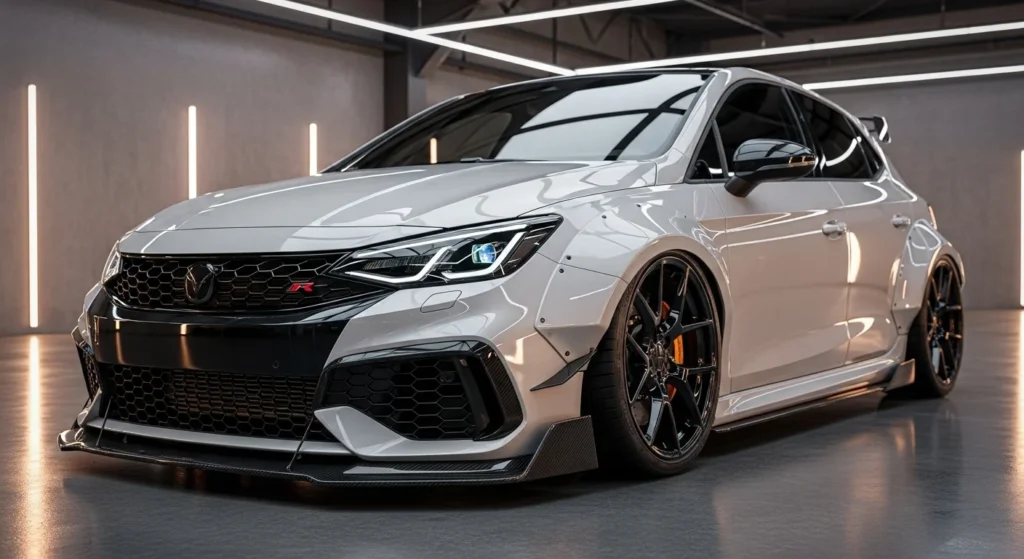
For American drivers choosing a compact car, two of the most popular options are the Toyota Corolla and the Honda Civic, especially in their 2025 model year iterations. Both cars have strong reputations for reliability, fuel efficiency, and value — but they differ in design, performance, comfort, and features. This head-to-head comparison breaks down the key aspects that matter most to U.S. buyers, helping you decide which compact sedan or hatchback fits your needs best.
Toyota Corolla vs Honda Civic 2025 : Design and Exterior Styling
The 2025 Toyota Corolla embraces a conservative but modern design with clean lines, a sleek front fascia, and a balanced profile. The Corolla comes in both sedan and hatchback forms, offering options for buyers who want a more dynamic appearance or additional cargo flexibility.
In contrast, the 2025 Honda Civic presents a sportier and more dynamic look. The Civic’s design language includes a more aggressive front end, sharper character lines, and a more athletic stance. Whether in sedan or hatchback form, the Civic often draws attention for its bold styling cues that appeal to younger drivers and those seeking a more engaging appearance.
Both vehicles have aerodynamic features that improve fuel efficiency and reduce wind noise, making them comfortable in highway driving common across the U.S.
Interior Comfort and Technology
Inside the 2025 Toyota Corolla, the focus is on practicality and user-friendly design. The cabin uses durable materials and straightforward controls, with enough room for passengers in both the front and rear seats. Standard tech features typically include a responsive touchscreen infotainment system with Apple CarPlay and Android Auto, Bluetooth connectivity, and available digital instrument displays. The Corolla’s interior design emphasizes ease of use and comfort for daily commuting and longer trips alike.
The 2025 Honda Civic has a slightly more upscale interior feel, with quality materials and an overall modern cabin layout. The Civic often includes a larger infotainment screen, more intuitive touchscreen menus, and additional convenience features at similar trim levels. Passengers generally enjoy a roomy, comfortable seating environment with supportive front seats, good visibility, and available premium sound systems.
Performance and Driving Experience
Under the hood, the 2025 Toyota Corolla typically offers a 1.8-liter four-cylinder engine or an available 2.0-liter engine depending on trim level. These engines deliver balanced performance with strong fuel economy, making the Corolla ideal for U.S. drivers who prioritize efficiency and reliable daily driving. The Corolla’s ride quality is smooth and composed, with predictable handling that suits city streets and highways alike.
The 2025 Honda Civic generally offers a 1.5-liter turbocharged four-cylinder engine at most trim levels, providing lively acceleration and responsive performance compared to the Corolla. The Civic’s transmission is well-matched to its powertrain, often offering a more engaging feel in acceleration and passing maneuvers. Steering feel and suspension tuning make the Civic one of the more fun-to-drive compact cars without sacrificing practicality.
Fuel Efficiency and Ownership Costs
Fuel economy is a major consideration for compact car buyers in the U.S., and both vehicles perform well in this category. The Toyota Corolla is known for strong fuel economy across its range, often surpassing 30–35 mpg combined, depending on engine and trim. The Corolla Hybrid variant pushes those numbers even higher, appealing to buyers who want maximum efficiency.
The Honda Civic typically achieves competitive fuel economy, often in the 31–36 mpg combined range for the base engine. While the Civic does not currently offer a hybrid in all markets, its efficient turbocharged powertrain makes it a cost-effective choice for drivers covering daily commutes and long highway trips.
Ownership costs — including maintenance, insurance, and reliability — are favorable for both models, thanks to strong resale values and well-established reputations among American consumers.
Safety and Driver Assistance Features
Safety technology is strong on both the Corolla and the Civic. Toyota equips the 2025 Corolla with Toyota Safety Sense™, which includes features such as:
- Adaptive cruise control
- Lane departure alert
- Automatic emergency braking
- Pedestrian detection
Honda’s suite, often branded as Honda Sensing®, includes similar features such as adaptive cruise control, lane keeping assist, collision mitigation braking, and traffic sign recognition. Both platforms offer robust safety systems that help protect occupants and assist drivers in U.S. traffic conditions and changing road environments.
Final Verdict: Which Is Better for US Drivers?
When comparing the 2025 Toyota Corolla and the 2025 Honda Civic for U.S. drivers, the choice ultimately comes down to priorities:
- Toyota Corolla is ideal for drivers who prioritize reliability, comfort, and maximum fuel efficiency, especially for daily commuting and long-distance travel. The Corolla’s calm ride, strong safety credentials, and optional hybrid powertrain make it an excellent all-around choice.
- Honda Civic is the better pick for those who value sportier performance, a more engaging driving experience, and a slightly more upscale interior. With responsive handling and strong acceleration from its turbocharged engine, the Civic delivers fun without sacrificing practicality.
Both vehicles are excellent choices, but if you want a spirited drive and dynamic styling, the Civic edges ahead; if your focus is on efficiency and everyday comfort, the Corolla remains a dependable and economical choice for U.S. roads.